

Loading...
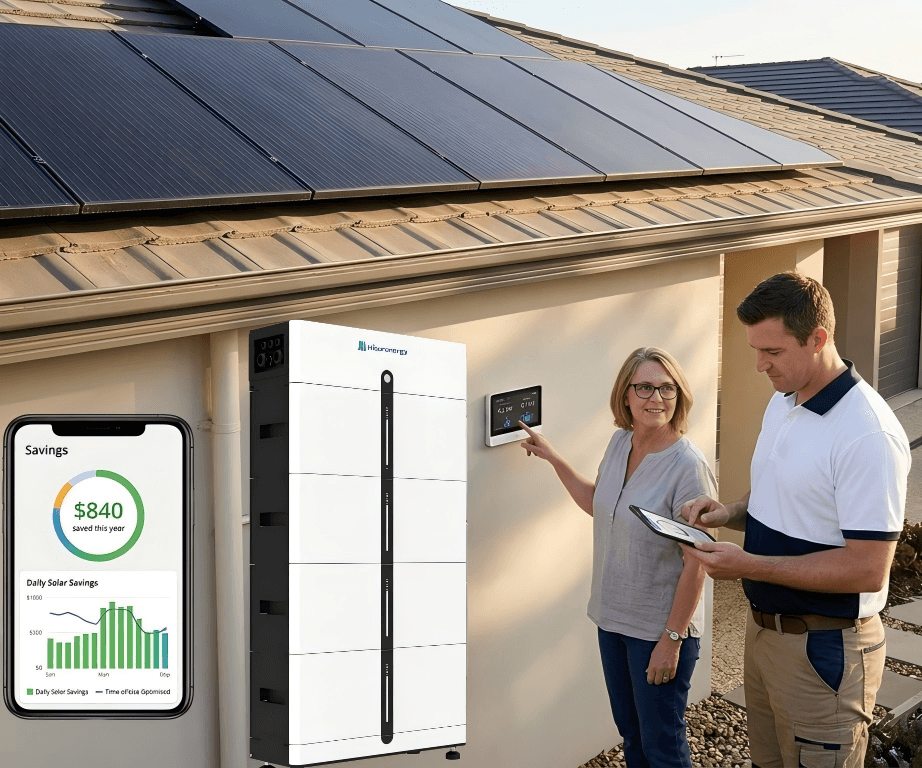
1.Battery Payback Period: How Long Until Your System Pays for Itself? 2.How to Calculate Your Annual Savings: A Simple 4-Step Formula 3.Time-of-Use Arbitrage vs. Solar Self-Consumption: Which Strategy Maximizes ROI? 4.Federal Rebates, Tax Credits, and Incentives That Shorten Your Payback 5.Conclusion: Reliable Battery Solutions from Hicorenergy
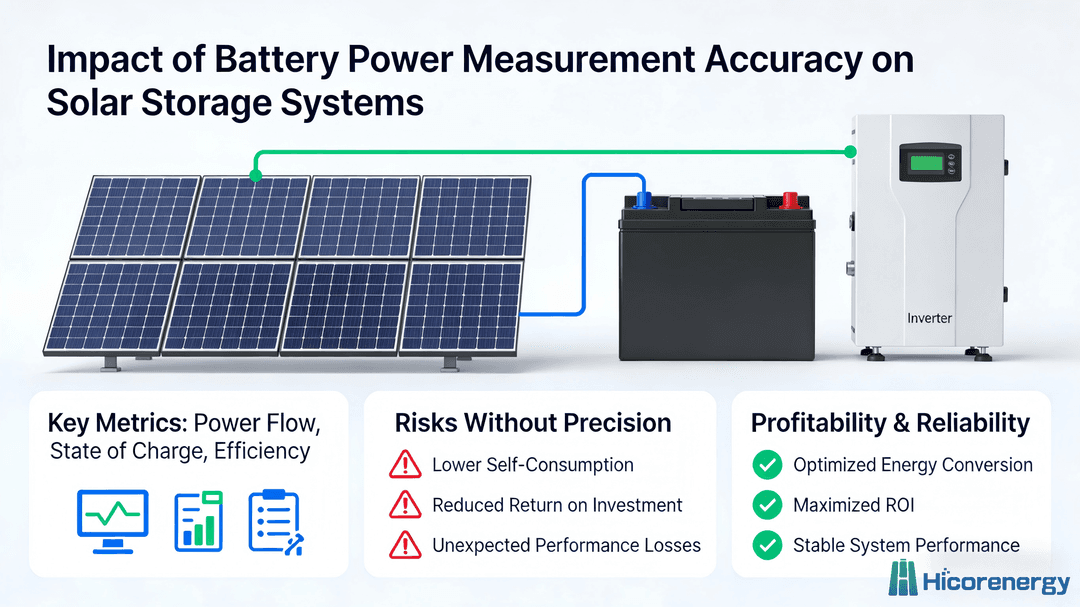
1.How Accurate Power Measurement Maximizes Solar Self-Consumption and ROI 2.Key Metrics to Monitor: State of Charge, State of Health, and Round-Trip Efficiency 3.Essential Tools for Solar Battery Monitoring: From BMS Data to IoT Platforms? 4.Common Measurement Mistakes That Reduce Solar Storage Efficiency?
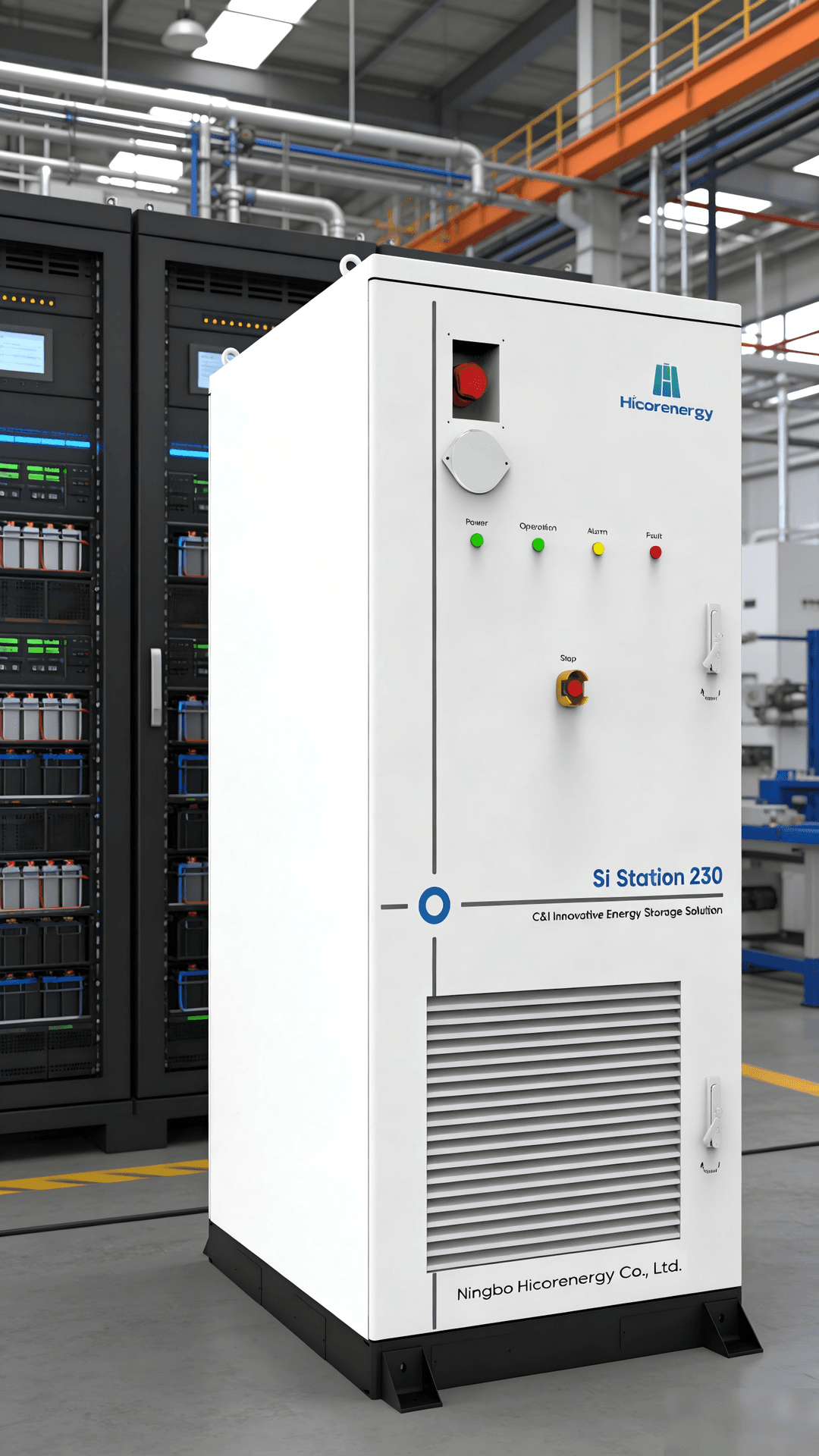
1.Lithium-Ion Batteries: The Market Leader in Industrial Energy Storage 2.Comparing Industrial Applications: When to Choose Lithium-Ion vs. Flywheels vs. Flow Batteries 3.Safety and Lifespan: How Lithium-Ion Stacks Up Against Flywheels and Flow Batteries 4.The Future of Industrial Storage: Lithium-Ion Advancements and Hybrid System Integration
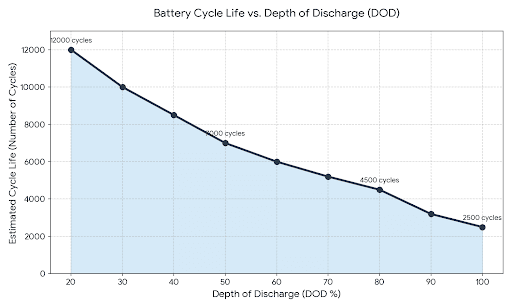
1.What Is a Complete Cycle in Energy Storage? 2.Depth of Discharge (DOD) and Its Role in Battery Life 3.Partial vs. Complete Cycles: What’s the Difference? 4.How Battery Cycles Impact Warranty and Service Life 5.Maximizing Battery Lifespan: Tips for Reducing the Depth of Discharge 6.Where to Buy Reliable Energy Storage Systems for Distributors and Installers
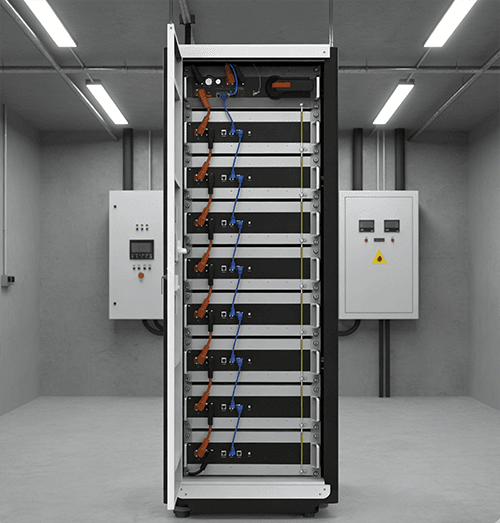
1.Understanding Hicorenergy Batteries: Features and Specifications 2.Benefits of Connecting Batteries in Series for Higher Voltage 3.How to Safely Connect Hicorenergy Batteries in Series 4.Voltage Requirements and Compatibility for Series Connections 5.Potential Risks and Safety Considerations When Connecting in Series 6.Where to Buy Hicorenergy Batteries for Distributors and Installers
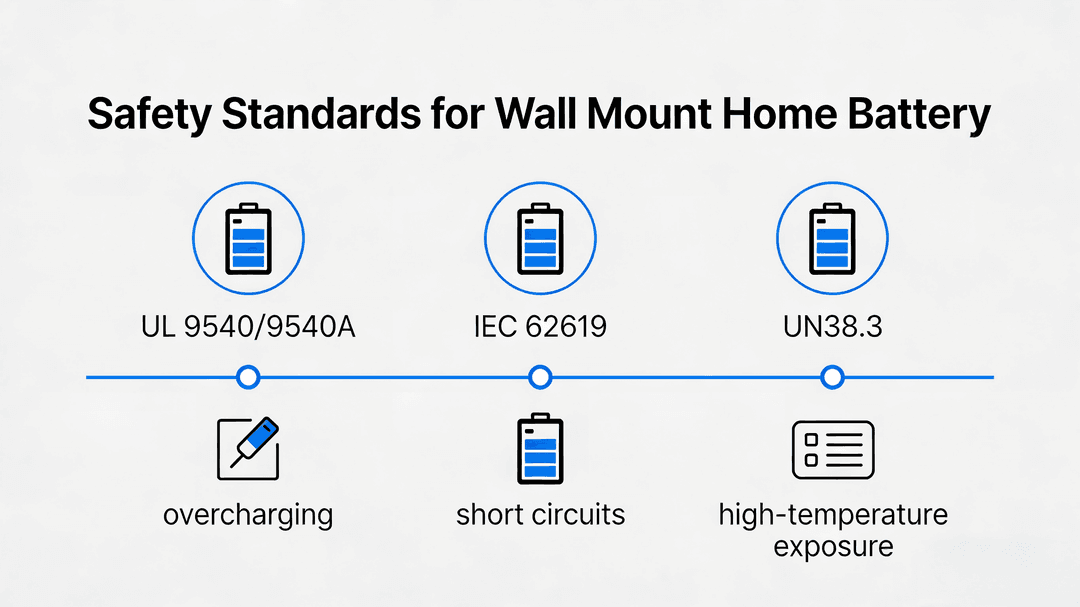
1.What Are the Primary Safety Standards for Wall Mount Batteries? 2.Can a Wall Mount Battery Overheat or Cause a Fire? 3.Is It Safe to Install a Wall-Mounted Battery Indoors? 4.How Do Modern Batteries Prevent Electrical Hazards? 5.Final Verdict: Balancing Safety with Home Energy Independence
1.Battery Payback Period: How Long Until Your System Pays for Itself? 2.How to Calculate Your Annual Savings: A Simple 4-Step Formula 3.Time-of-Use Arbitrage vs. Solar Self-Consumption: Which Strategy Maximizes ROI? 4.Federal Rebates, Tax Credits, and Incentives That Shorten Your Payback 5.Conclusion: Reliable Battery Solutions from Hicorenergy
1.How Accurate Power Measurement Maximizes Solar Self-Consumption and ROI 2.Key Metrics to Monitor: State of Charge, State of Health, and Round-Trip Efficiency 3.Essential Tools for Solar Battery Monitoring: From BMS Data to IoT Platforms? 4.Common Measurement Mistakes That Reduce Solar Storage Efficiency?
1.Lithium-Ion Batteries: The Market Leader in Industrial Energy Storage 2.Comparing Industrial Applications: When to Choose Lithium-Ion vs. Flywheels vs. Flow Batteries 3.Safety and Lifespan: How Lithium-Ion Stacks Up Against Flywheels and Flow Batteries 4.The Future of Industrial Storage: Lithium-Ion Advancements and Hybrid System Integration
1.What Is a Complete Cycle in Energy Storage? 2.Depth of Discharge (DOD) and Its Role in Battery Life 3.Partial vs. Complete Cycles: What’s the Difference? 4.How Battery Cycles Impact Warranty and Service Life 5.Maximizing Battery Lifespan: Tips for Reducing the Depth of Discharge 6.Where to Buy Reliable Energy Storage Systems for Distributors and Installers
1.Understanding Hicorenergy Batteries: Features and Specifications 2.Benefits of Connecting Batteries in Series for Higher Voltage 3.How to Safely Connect Hicorenergy Batteries in Series 4.Voltage Requirements and Compatibility for Series Connections 5.Potential Risks and Safety Considerations When Connecting in Series 6.Where to Buy Hicorenergy Batteries for Distributors and Installers
1.What Are the Primary Safety Standards for Wall Mount Batteries? 2.Can a Wall Mount Battery Overheat or Cause a Fire? 3.Is It Safe to Install a Wall-Mounted Battery Indoors? 4.How Do Modern Batteries Prevent Electrical Hazards? 5.Final Verdict: Balancing Safety with Home Energy Independence
