Adding more batteries to an existing Hicorenergy battery bank is a practical way to expand energy capacity without replacing the entire system. By ensuring technical compatibility, following correct installation steps, and choosing reliable support, users can scale their energy storage safely and cost-effectively to meet growing power demands.
Understanding the Working Mechanism of Hicorenergy Battery Banks
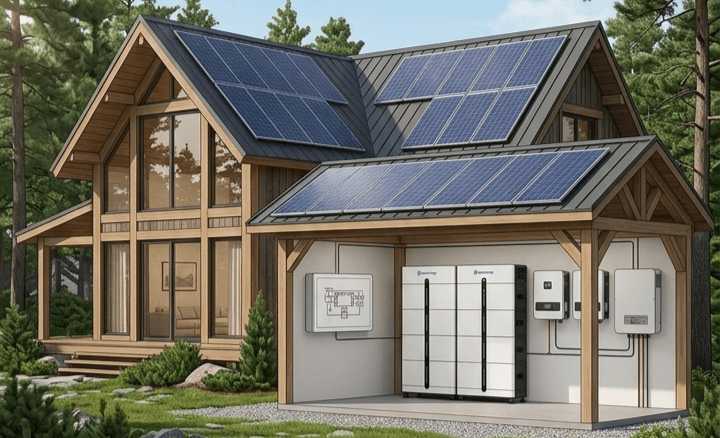
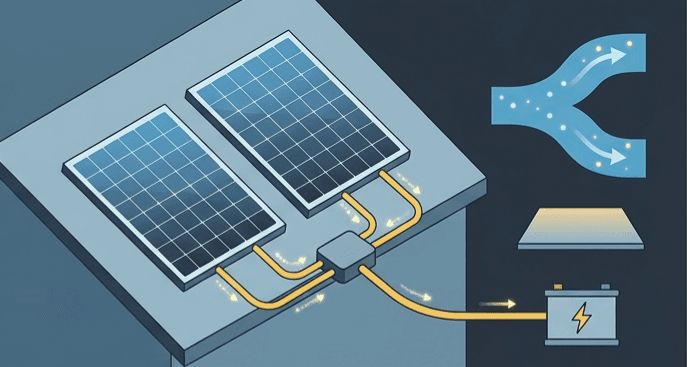
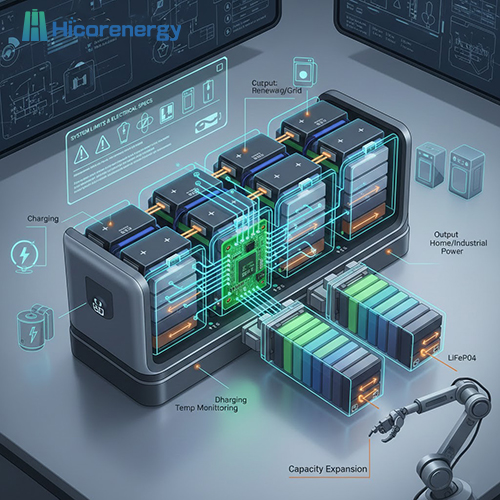
Hicorenergy battery banks operate by storing electrical energy in lithium iron phosphate (LiFePO4) cells and releasing it when power is needed. An integrated battery management system (BMS) controls charging, discharging, temperature, and safety parameters to ensure stable operation. The modular architecture allows multiple battery units to work in parallel, making capacity expansion through adding more batteries both feasible and efficient, provided system limits and electrical specifications are respected.
Technical Requirements and Considerations for Adding Batteries
When adding more batteries to an existing Hicorenergy battery bank, several technical factors must be evaluated. Voltage consistency is critical; new batteries must match the system’s nominal voltage to avoid imbalance. Capacity alignment and similar state-of-health levels help maintain uniform performance. The inverter must also support the increased capacity and parallel battery count. Cabling size, protective devices, and physical installation space should be reviewed to handle higher current loads safely. Thermal management is another key consideration, as adequate ventilation ensures long-term reliability. Referring to professional system design standards, such as those outlined by established energy solution providers, helps minimize risks during expansion.
How to Choose Compatible Batteries for Your Battery Bank Expansion
Selecting the right batteries is essential to a successful expansion. Compatibility goes beyond basic voltage and includes communication protocols, BMS logic, and mechanical design. Choosing batteries from the same manufacturer simplifies integration and reduces configuration complexity. For users planning on adding more batteries gradually, modular designs with proven scalability offer flexibility while maintaining consistent performance, making the expansion process smoother and more predictable.
Step-by-Step Guide: Integrating New Batteries into Your Existing Setup
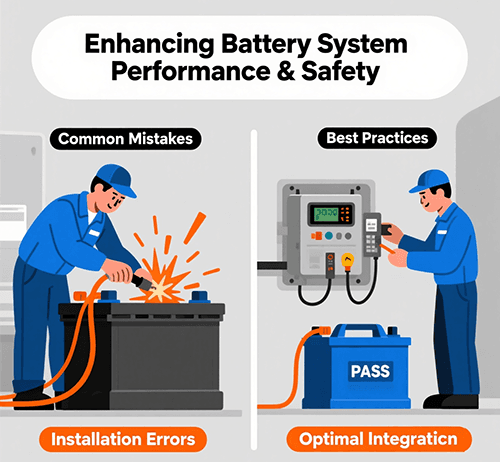
A structured approach helps ensure safe and efficient integration when adding more batteries. First, the existing system should be powered down and isolated to eliminate electrical hazards. Next, the total supported capacity and maximum parallel connections must be confirmed to avoid exceeding design limits. New batteries should then be installed physically, following spacing and mounting guidelines to support airflow and accessibility. Electrical connections must be made using recommended cables and torque specifications to ensure low resistance and secure contacts. Once connected, system parameters should be updated so the inverter and BMS recognize the additional capacity. A controlled commissioning process, including monitoring charge and discharge cycles, helps verify stable operation before the system returns to full service.
Frequently Asked Questions: Challenges When Expanding Hicoenergy Battery Banks
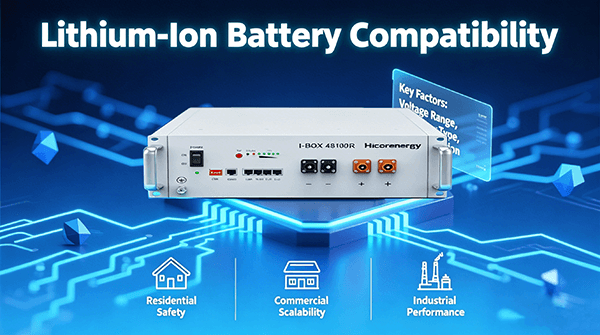
One common concern is whether mixing old and new batteries will reduce system life. While some performance differences are expected, Hicorenergy products are designed with advanced BMS technology to balance modules effectively. Another question involves scalability limits; products such as the I-BOX 48100R support extensive parallel connections, allowing significant capacity growth through adding more batteries. Users also ask about safety during expansion. Hicorenergy’s use of automotive-grade LiFePO4 cells, integrated protections, and long cycle life addresses these concerns by prioritizing reliability and safety. Finally, monitoring compatibility is often raised, and Hicorenergy systems offer remote monitoring to track performance after expansion.
Seeking Professional Support: Finding Reliable Distributors and Installers
Although battery expansion may appear straightforward, professional support adds value by reducing risk. Certified distributors and experienced installers can assess system compatibility, local regulations, and site conditions before adding more batteries. They also provide guidance on optimal configurations and long-term maintenance strategies. Working with authorized partners ensures access to genuine components, warranty support, and technical assistance, which is especially important for larger residential or commercial energy storage systems.
In summary, expanding a battery bank by adding more batteries is an effective way to enhance energy independence with Hicorenergy solutions. With modular designs, robust safety features, and scalable architectures, Hicorenergy products support reliable growth as energy needs increase.
To learn more about expanding your energy storage system, contact us at Email: info@hicorpower.com or WhatsApp: +86 181-0666-3226.