 Stacked energy systems are transforming how modern grids maintain stability, manage peak loads, and integrate renewables. This article explores what stacked systems are, why grid resilience matters, and how these modular solutions deliver frequency regulation, peak shaving, and sustainable energy support in ways traditional setups cannot.
What Are Stacked Energy Systems and Why Is Grid Stability So Critical?
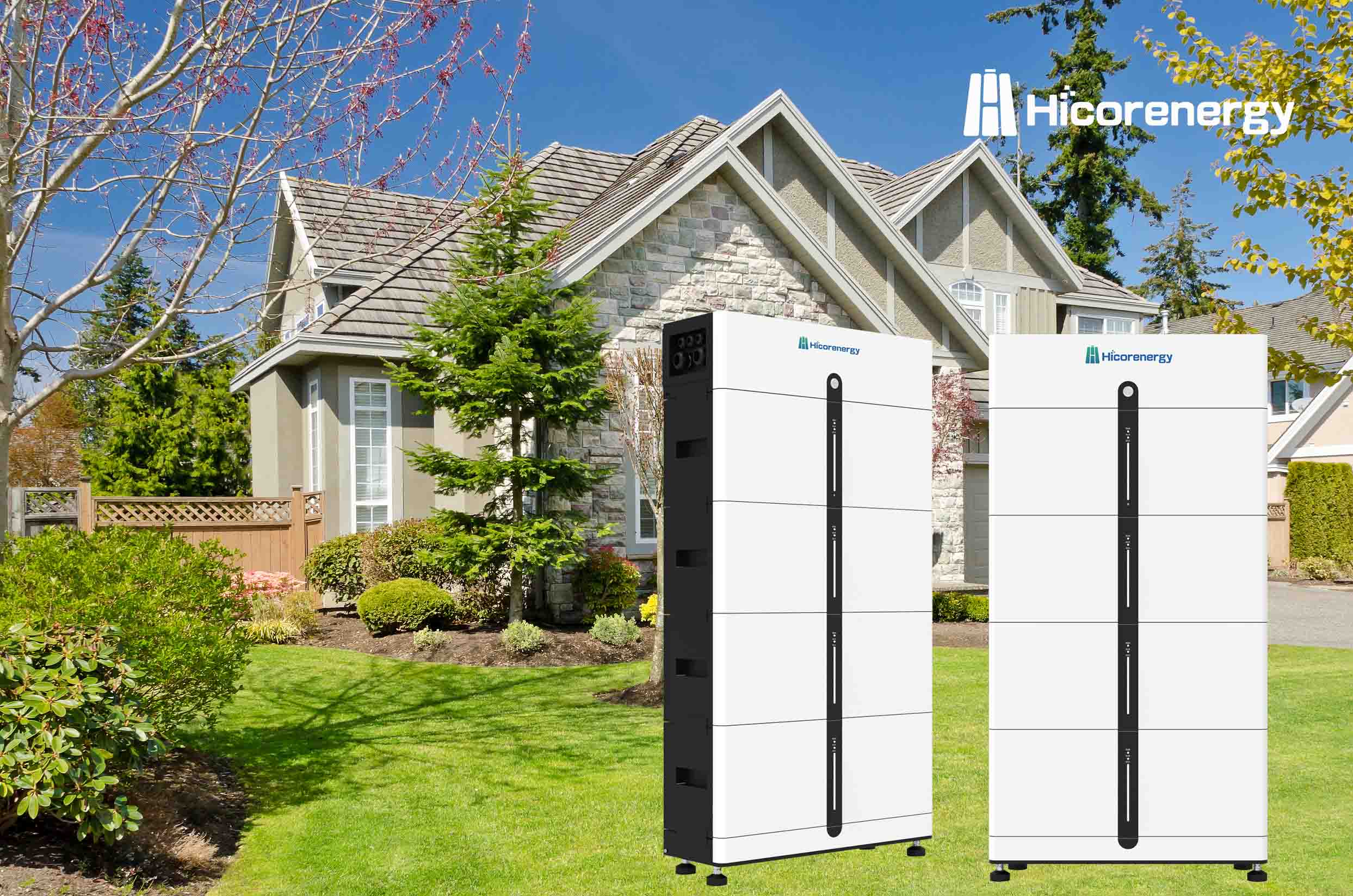
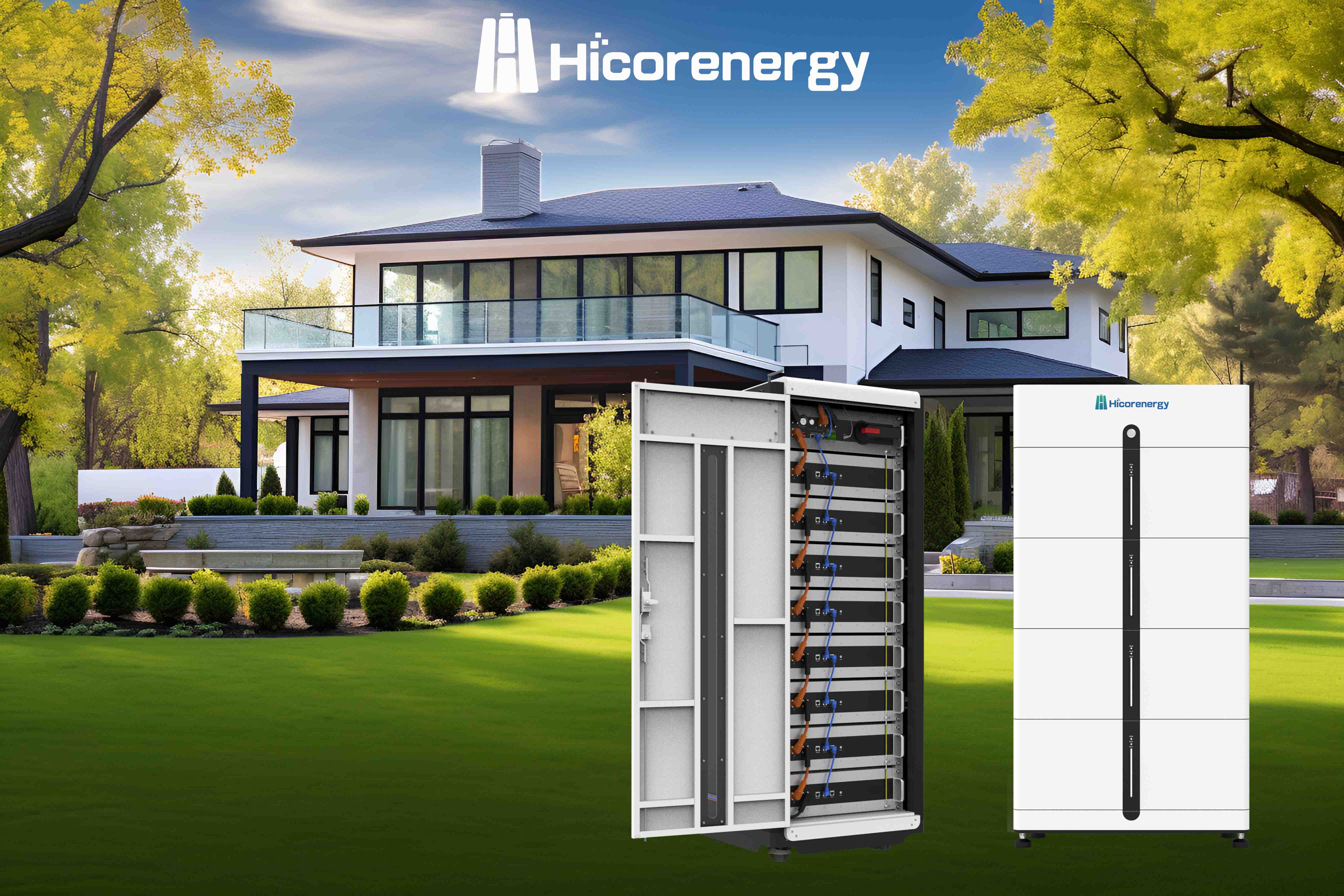
Stacked energy systems refer to modular, scalable energy storage units that can be layered—both physically and digitally—to form a larger, smarter, and more flexible power asset. Unlike a single large battery, stacked systems allow operators to add or remove capacity based on real-time needs, making them ideal for dynamic grids facing unpredictable loads. Grid stability is vital because power networks must constantly balance electricity generation and consumption. Even slight imbalances in voltage or frequency can cause outages, equipment failures, or widespread blackouts. With global grids now strained by rising demand, renewable variability, and aging infrastructure, stacked energy systems offer a powerful solution built for speed, precision, and reliability.
Enhancing Grid Resilience: How Stacked Systems Provide Unwavering Frequency Regulation
Stacked systems excel in frequency regulation because each module can respond independently and instantly. This creates a multi-layered, rapid-reaction energy buffer that stabilizes grid frequency more efficiently than traditional assets. Their modularity also reduces system-wide failure risk—if one unit goes offline, others continue operating. Keep reading to discover how this flexibility translates into real economic and environmental advantages.
Peak Shaving and Load Balancing: The Economic Advantage of Modular Storage
Stacked energy systems deliver significant cost benefits through peak shaving—charging when electricity is cheap and discharging during peak demand to avoid expensive tariffs. Their modular design allows utilities and businesses to size the system precisely, preventing overspending on oversized batteries. Additionally, load balancing minimizes strain on transformers and transmission equipment, reducing long-term maintenance costs. For industrial users, this ensures smoother operations, fewer voltage fluctuations, and greater protection for sensitive equipment. Utilities also benefit from deferring costly grid upgrades thanks to flexible, distributed storage assets that can be deployed exactly where needed.
Integrating Renewables: Stacked Energy as the Backbone for a Sustainable Grid
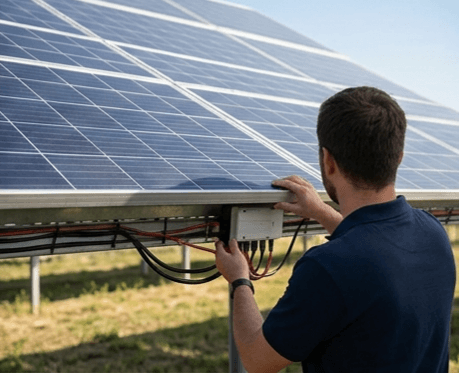
Renewable energy sources like solar and wind fluctuate throughout the day, creating challenges for grid operators who must keep supply and demand in balance. Stacked energy systems act as the stabilizing backbone by storing excess renewable energy during high-generation periods and releasing it when output drops. This capability reduces curtailment, supports clean-energy expansion, and smooths intermittent power flows. Additionally, stacked systems can be distributed across multiple sites, increasing grid-wide resilience and enabling microgrids that run partially or fully on renewable power. With modularity and precision control, stacked storage is becoming essential infrastructure for a sustainable, low-carbon grid.
Hicorenergy’s Product Advantage
Hicorenergy provides modular, high-efficiency lithium storage systems designed for scalability, reliability, and seamless integration into commercial, industrial, and utility-level applications.
Contact:
Email: info@hicorpower.com
WhatsApp: +86 181-0666-3226