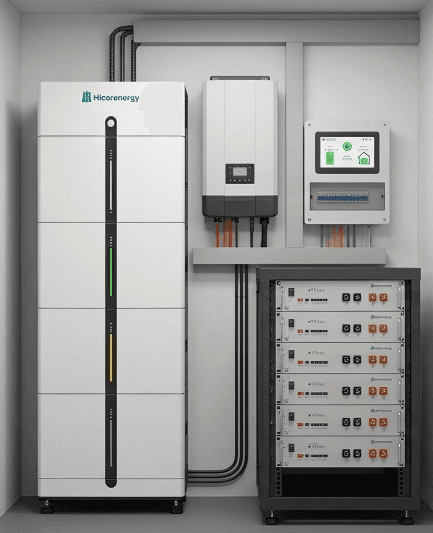
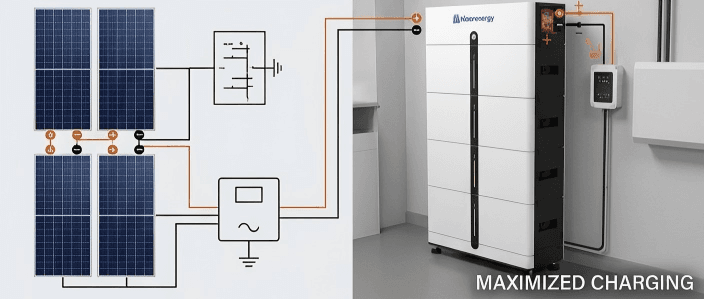
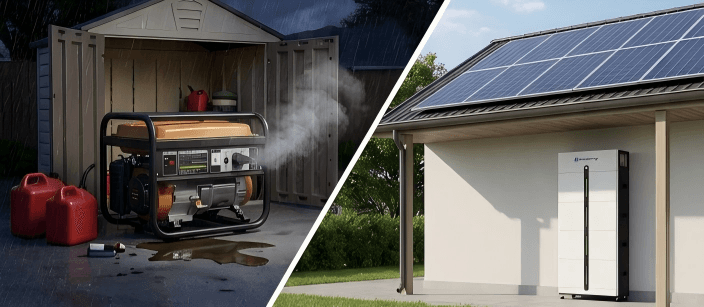
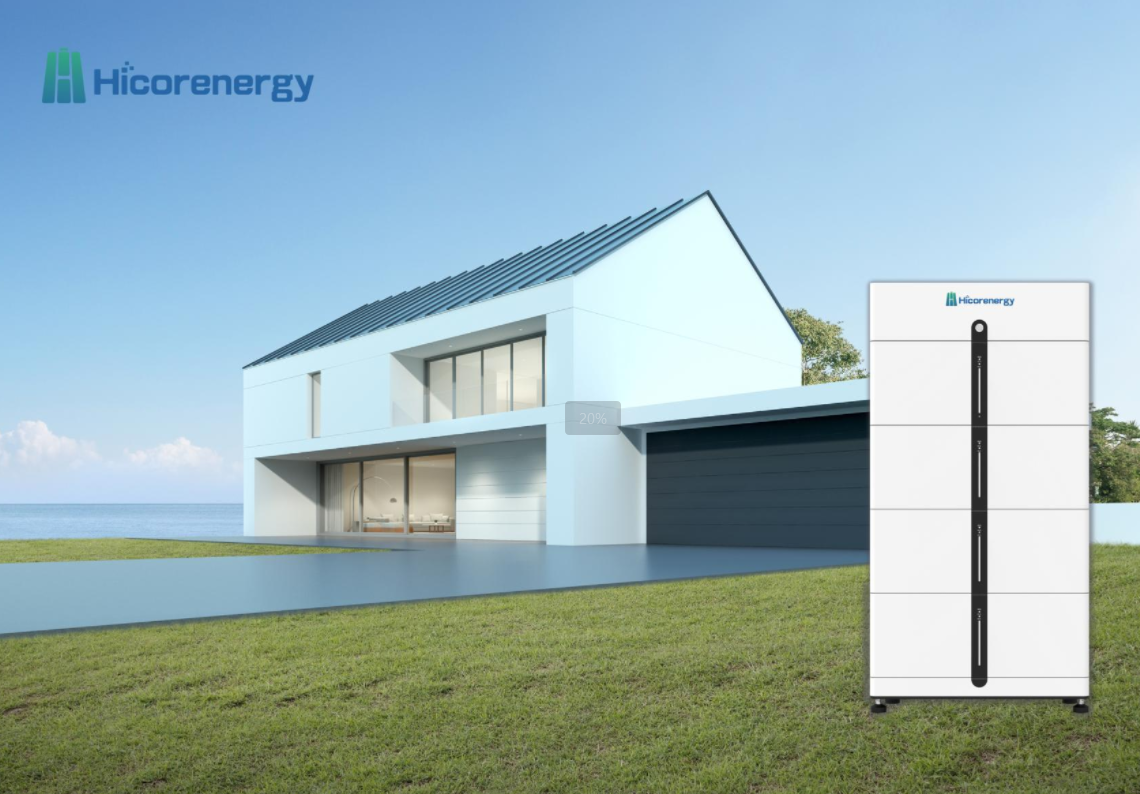
 Stacked battery technology has emerged as a transformative innovation in the energy storage sector, reshaping how power is managed and utilized across a variety of modern applications. By layering multiple battery cells, this approach significantly enhances efficiency, capacity, and overall performance—making it an ideal solution for renewable energy systems, such as those developed by Hicorenergy. The stacked configuration enables higher energy density and superior thermal management, essential for reliable off-grid and sustainable power solutions. Hicorenergy leverages this advanced technology to deliver uninterrupted power for residential and commercial use, ensuring smooth integration with solar energy systems.
Exploring Stacked Battery Design: Structure and Performance
At the heart of stacked battery technology lies its innovative design—a compact, layered arrangement of electrochemical cells that optimizes space and enhances electrical conductivity. In stacked lithium-ion batteries, each layer is precision-engineered to reduce internal resistance and improve charge transfer efficiency. Hicorenergy utilizes this modular design to create customizable energy storage systems that are easy to install and adapt to diverse energy needs, particularly in remote or rural areas. Additionally, the structural integrity of stacked battery design supports advanced safety mechanisms, such as efficient heat dissipation, lowering the risk of overheating during peak demand. This technical refinement not only boosts battery reliability but also broadens its application in challenging environments.
Key Advantages of Stacked Lithium-Ion Batteries
Stacked lithium-ion batteries represent a major evolution in energy storage, offering exceptional energy density, extended lifespan, and rapid charging capabilities. Through their layered architecture, these batteries incorporate more active material within a compact form factor, enabling higher voltage outputs and improved performance over traditional battery designs. The parallel connectivity within stacked lithium-ion battery systems ensures even load distribution, which helps prevent cell degradation and prolongs service life. Hicorenergy integrates this technology into its energy solutions to provide efficient and reliable power management, minimizing downtime in solar applications. Key technical benefits include longer cycle life, reduced weight, and enhanced portability—making these batteries suitable for both stationary and mobile uses. With stacked lithium-ion battery innovations, users gain greater energy autonomy while supporting environmental sustainability.
Understanding the Stacked Battery Lifecycle
The stacked battery lifecycle is a crucial element that determines both the economic and environmental value of the technology. From manufacturing and usage to maintenance and end-of-life disposal, each phase is carefully engineered to maximize longevity. Hicorenergy’s stacked battery systems are built to endure thousands of cycles, with performance influenced by factors such as depth of discharge and operating conditions. Technologically, the lifecycle is monitored through key metrics like capacity fade and internal impedance, enabling proactive maintenance and optimized energy management. By extending the functional life of the battery, Hicorenergy not only ensures consistent performance but also promotes cost savings and reduced electronic waste for consumers.
Innovations in Stacked Battery Recycling
As stacked battery technology becomes more widespread, stacked battery recycling has become a vital component of sustainable energy ecosystems. This process involves carefully disassembling stacked layers to reclaim valuable materials—such as lithium and cobalt—for reuse, thereby reducing environmental impact. Advanced techniques, including hydrometallurgy, are employed to extract these components safely and efficiently. Hicorenergy is committed to eco-conscious manufacturing, designing its stacked battery systems with recyclability in mind. This supports global initiatives toward a circular economy and helps lower the carbon footprint associated with battery production. As the adoption of stacked battery technology accelerates, continuous innovation in recycling will be essential to enhancing sustainability and accessibility.
Join Hicorenergy in embracing solar battery storage and step confidently into a cleaner, greener tomorrow.
Contact us via Email: info@hicorpower.com or WhatsApp: +86 181-0666-3226.