 As the world pivots towards renewable energy sources like solar and wind, the demand for high-capacity battery energy storage systems has surged. These systems are crucial for ensuring a stable and reliable power grid, storing energy when it's abundant and releasing it when needed. However, with great power comes a significant challenge: heat. The intense charge and discharge cycles of modern batteries generate substantial thermal energy, which can compromise performance, safety, and lifespan. This is where the innovation of the Liquid Cooling Battery Cabinet becomes not just an advantage, but a necessity for the future of energy storage.
Understanding Advanced Cooling Technology for Batteries
At the heart of modern energy storage lies sophisticated Cooling Technology for Batteries. Traditionally, air cooling was the standard, using fans to circulate air around battery modules. While simple, this method struggles to keep pace with the increasing power densities of today's lithium-ion batteries. Air is a poor conductor of heat, often resulting in uneven temperature distribution and hot spots that can accelerate battery degradation. Liquid Cooling Technology, in contrast, circulates a specialized coolant through channels or plates that are in direct or close contact with the battery cells. This method is vastly more efficient at absorbing and dissipating heat, ensuring a uniform and stable operating temperature across the entire battery pack, which is critical for both performance and longevity.
Prioritizing Safety: The Core of Battery Management
Effective thermal management is one of the most critical Battery Safety Solutions available. When a battery overheats, it risks entering a dangerous state known as thermal runaway, a chain reaction that can lead to fire or explosion. By maintaining the battery within its optimal temperature range, a liquid cooling system drastically reduces this risk. This principle is already well-established in demanding applications such as EV Battery Cooling, where the safety of passengers is paramount. Applying this proven technology to stationary energy storage ensures that these large-scale systems operate with the highest degree of safety and reliability, protecting both the investment and the surrounding environment from potential hazards.
Hicorenergy's Si Station 230: A Leap in Energy Storage
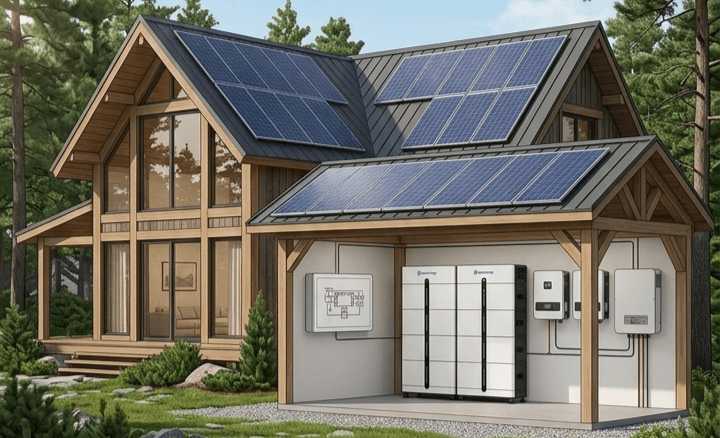
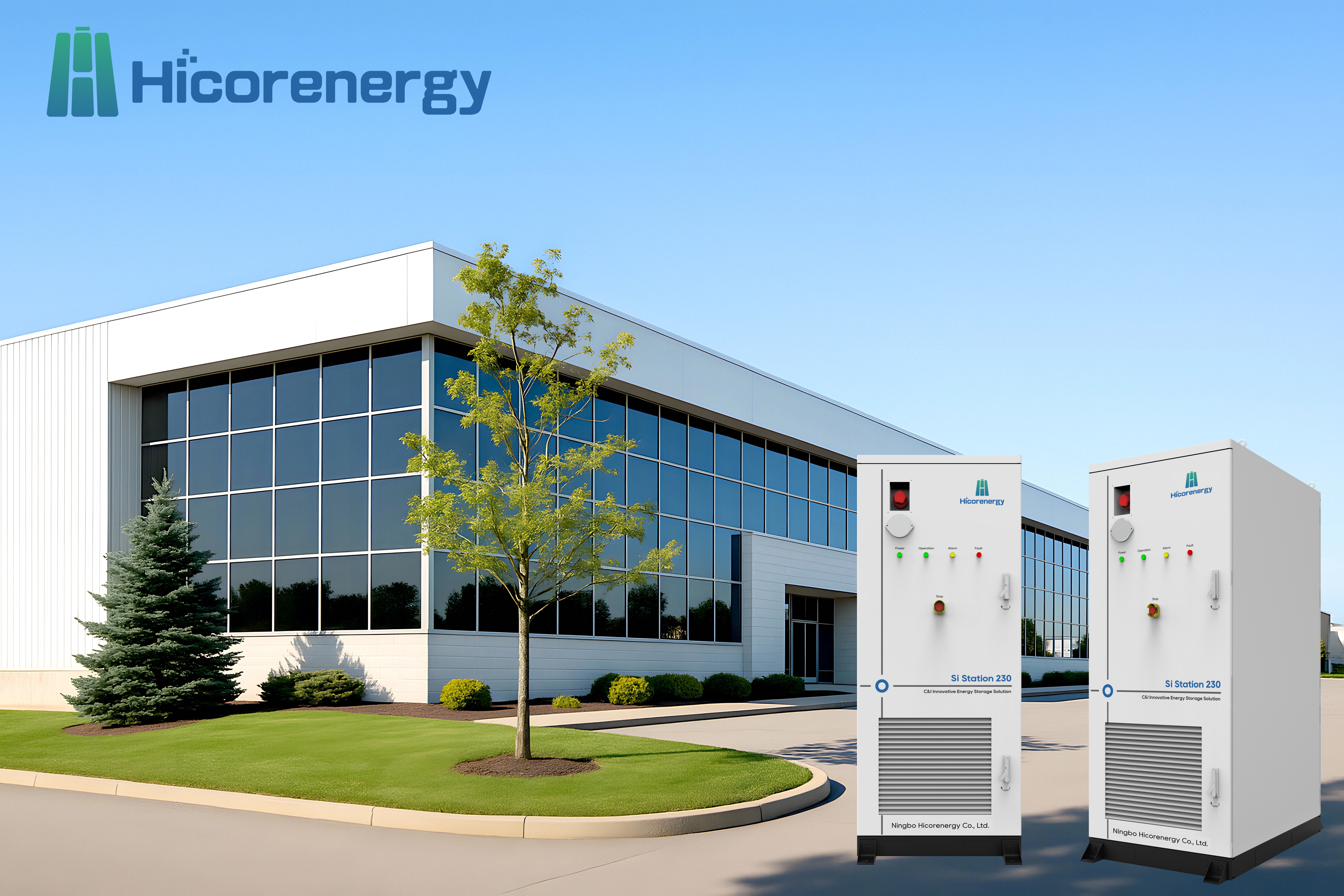
A premier example of this advanced technology in action is the Si Station 230 from Hicorenergy. This state-of-the-art energy storage solution is engineered to seamlessly integrate with renewable energy installations. The impressive performance and sleek design of the Si Station 230 are made possible by its sophisticated internal systems, which are built around a highly efficient Liquid Cooling Battery Cabinet. This core component enables the unit to handle rapid charging and discharging without compromising safety or efficiency, making it an ideal powerhouse for both residential and larger commercial projects. By harnessing clean energy and storing it within a securely managed environment, the Si Station 230 represents Hicorenergy's commitment to pushing the boundaries of what's possible in sustainable technology.
The Future is Cool and Sustainable
The transition to a greener future depends on robust and reliable infrastructure. As battery technology continues to advance, the methods we use to manage them must evolve as well. The move towards solutions that champion Sustainable Battery Cooling is a testament to this progress. By ensuring that energy storage systems operate efficiently and safely for years, we maximize their value and minimize their environmental impact. Innovations like Hicorenergy's Si Station 230 demonstrate that a future powered by clean energy is not only possible but is being built today with intelligence, safety, and sustainability at its core.