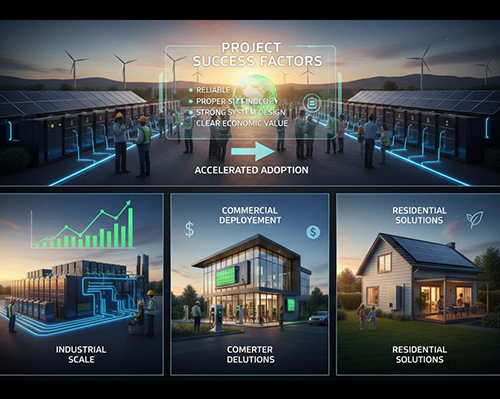
Energy Storage Project Case studies reveal that project success depends on reliable technology, proper system design, strong local support, and clear economic value. By analyzing real-world deployments across industrial, commercial, and residential scenarios, stakeholders can identify best practices, avoid common risks, and accelerate the adoption of efficient, scalable, and sustainable energy storage solutions.
Understanding the Fundamentals of Energy Storage Technology
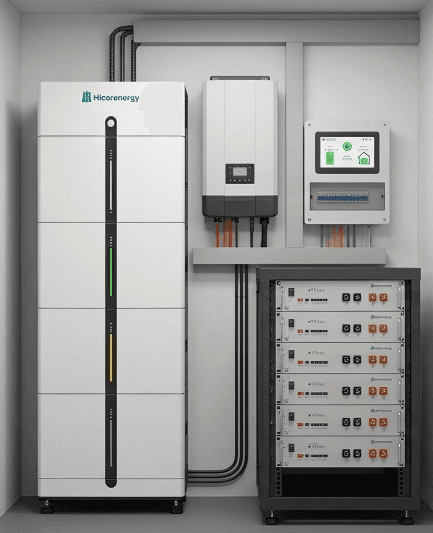
Energy storage technology enables electricity to be stored and released when needed, improving grid stability, energy efficiency, and power reliability. Most modern Energy Storage Project Case applications rely on lithium-ion, particularly LiFePO4 chemistry, due to its safety, long cycle life, and high efficiency. Core components include battery cells, battery management systems (BMS), power conversion systems, and monitoring platforms. Together, these elements support applications such as peak shaving, backup power, renewable energy integration, and off-grid operation. A solid understanding of system architecture and performance indicators is essential for designing projects that meet both technical and economic objectives.
Overview of Iconic Energy Storage Project Cases
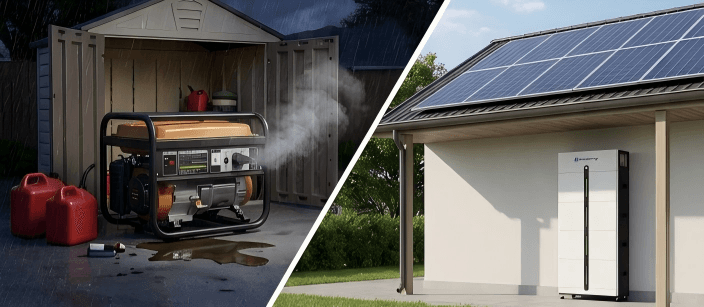
Across global markets, iconic Energy Storage Project Case examples demonstrate how storage systems solve real energy challenges. Industrial factories use commercial and industrial (C&I) storage to reduce peak demand charges and stabilize production. In regions with unstable grids, modular residential systems provide reliable backup power and energy independence. Drawing inspiration from practical deployments showcased across industry platforms such as hicorpower.com, successful projects often share common traits: scalable system design, compatibility with mainstream inverters, and strong safety compliance. These cases highlight how tailored energy storage solutions can adapt to diverse environments, from manufacturing facilities to remote and underserved communities.
Key Challenges and Solutions in Project Implementation
Despite their benefits, energy storage projects face challenges such as improper sizing, installation complexity, and uncertainty around return on investment. Successful Energy Storage Project Case implementations address these risks through detailed load analysis, standardized installation processes, and clear performance guarantees. Choosing systems with remote monitoring, proven BMS protection, and strong manufacturer support significantly reduces operational risks. Early-stage collaboration between manufacturers, installers, and end users is critical to ensuring smooth deployment and long-term system reliability.
Economic Benefits Analysis of Energy Storage Projects
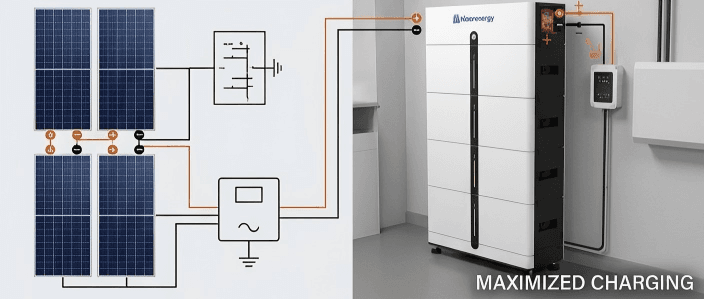
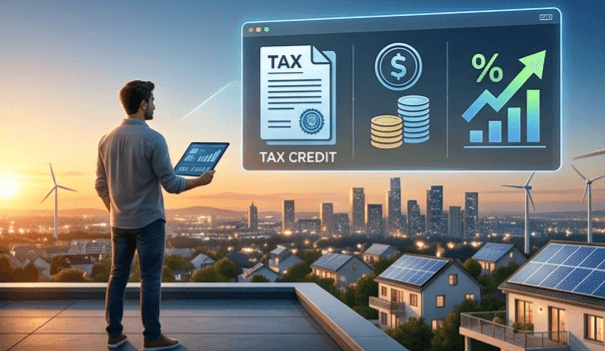
From an economic perspective, Energy Storage Project Case studies consistently show strong long-term value. For commercial and industrial users, energy storage reduces electricity bills by shifting consumption away from peak tariff periods and minimizing demand charges. In manufacturing environments, stable power supply also prevents costly downtime and equipment damage. Residential users benefit from reduced grid dependence and protection against outages. When combined with solar generation, storage systems further enhance self-consumption rates and shorten payback periods. Over time, declining battery costs, longer cycle life, and improved efficiency continue to strengthen the financial case for energy storage investments.
User Experiences: Perspectives from Installers and Distributors
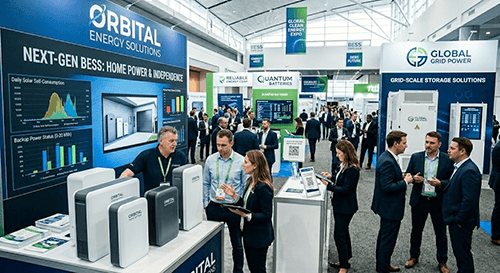
Installers and distributors play a pivotal role in the success of each Energy Storage Project Case. From their perspective, product reliability, ease of installation, and after-sales support are critical factors. Hicorenergy’s energy storage solutions are frequently recognized for their stable performance, long cycle life, and flexible system configurations. Products such as residential battery systems and C&I storage cabinets support modular expansion, wide inverter compatibility, and remote monitoring, simplifying both deployment and maintenance. Distributors value the ability to offer scalable solutions backed by consistent technical support, while installers appreciate reduced installation time and fewer post-installation issues, ultimately improving customer satisfaction.
Future Trends and Development Directions for Energy Storage Projects
Looking ahead, Energy Storage Project Case trends indicate a shift toward larger-scale deployments, smarter energy management, and deeper integration with renewable energy and electric vehicles. Intelligent monitoring platforms, AI-driven energy optimization, and standardized modular designs will further improve system efficiency and reliability. Additionally, growing emphasis on local service networks and global compliance will shape purchasing decisions. As policies supporting clean energy expand worldwide, energy storage will move from a supplementary solution to a core component of modern energy infrastructure.
Conclusion
Energy Storage Project Case studies confirm that well-designed systems deliver strong economic, operational, and sustainability benefits. With reliable, scalable solutions from Hicorenergy, stakeholders can confidently implement energy storage projects that meet today’s demands and support long-term energy transformation.
Contact Hicorenergy to explore your next energy storage project:
Email: info@hicorpower.com
WhatsApp: +86 181-0666-3226