Selecting the right installation location for energy storage systems directly affects safety, performance, lifespan, and return on investment. This guide explains how to evaluate environmental conditions, space constraints, safety compliance, and system integration while highlighting best practices used by professionals to ensure reliable, efficient, and future-proof energy storage deployments.
Understanding the Importance of Location for Energy Storage Devices
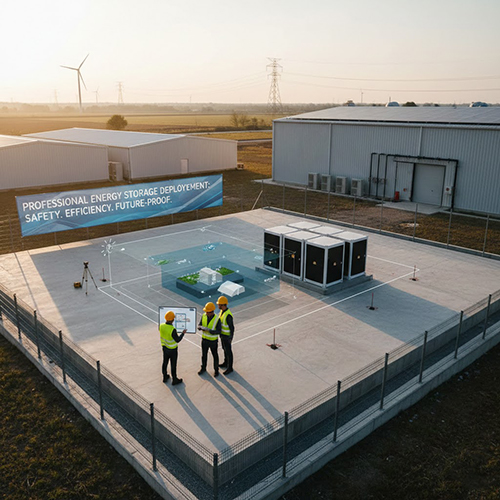
The installation location for energy storage systems is not a secondary consideration but a core design decision. A well-chosen location ensures stable operation, minimizes safety risks, and maximizes system efficiency over its entire lifecycle. Poor placement can expose batteries to temperature extremes, moisture, or mechanical stress, accelerating degradation and increasing maintenance costs. In both residential and commercial scenarios, location also influences accessibility for installation, monitoring, and servicing. As energy storage systems increasingly support critical loads, backup power, and grid-interactive functions, installers and system owners must treat site selection as a strategic step that balances technical performance, safety, and long-term reliability.
Identifying Key Environmental Factors
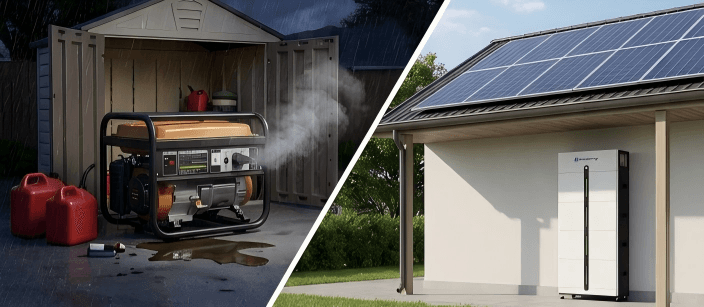
Environmental conditions play a decisive role when determining the installation location for energy storage systems. Temperature stability is essential, as excessive heat or cold can reduce battery efficiency and shorten cycle life. According to best practices reflected across professional energy storage solutions, installations should avoid direct sunlight, flood-prone areas, and high-humidity environments. Ventilation is equally important to maintain safe operating temperatures and ensure heat dissipation. Dust, corrosive gases, and salt spray—common in industrial zones or coastal regions—should also be considered during site assessment. By aligning system placement with controlled indoor spaces or well-protected outdoor enclosures, system performance and safety can be significantly improved.
Assessing Space and Accessibility Requirements
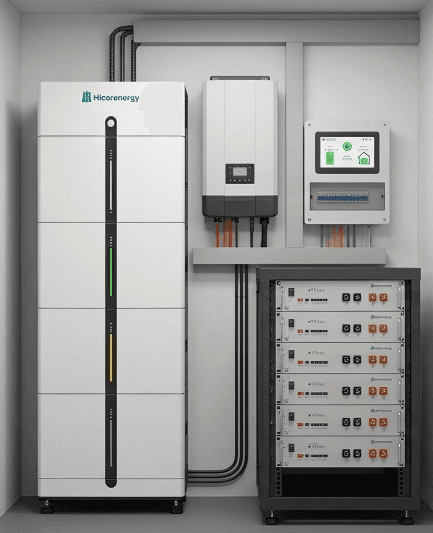
Beyond environmental suitability, space and accessibility strongly influence the installation location for energy storage systems. Installers must ensure adequate clearance for airflow, cable routing, and future system expansion. Accessibility is equally critical for commissioning, routine inspections, and potential module replacement. Locations that are too confined or obstructed may complicate installation and increase labor time. For residential users, compact designs enable flexible placement in garages, utility rooms, or dedicated energy closets. For commercial and industrial projects, modular layouts allow systems to scale while maintaining safe access paths. Thoughtful planning at this stage helps prevent costly retrofits and supports long-term operational efficiency.
Safety and Compliance Considerations
Safety is the foremost priority when selecting the installation location for energy storage systems. Compliance with local electrical codes, fire regulations, and building standards is mandatory and often dictates where systems can be placed. Fire-resistant surfaces, sufficient spacing from occupied areas, and appropriate protective barriers are commonly required. Many authorities also specify distance requirements from exits, living spaces, or combustible materials. Additionally, proper grounding, surge protection, and emergency shutdown access must be integrated into the chosen location. Selecting a compliant site not only protects people and property but also streamlines permitting and inspection processes, reducing project delays and long-term liability.
Proximity to Energy Sources and Load Demand
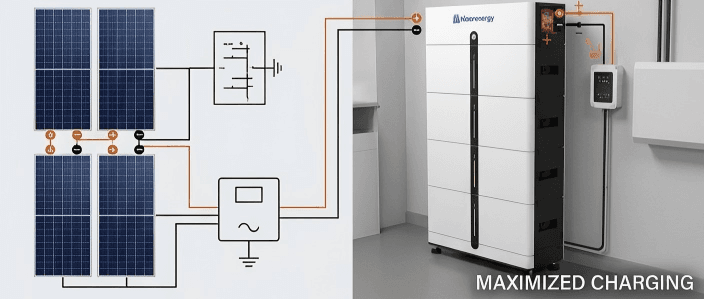
The installation location for energy storage systems should be strategically aligned with energy sources and load centers to minimize energy losses and improve system responsiveness. Locating batteries close to solar inverters, main distribution panels, or critical loads reduces cable runs and improves overall efficiency. This is particularly important in applications such as peak shaving, backup power, and time-of-use optimization.
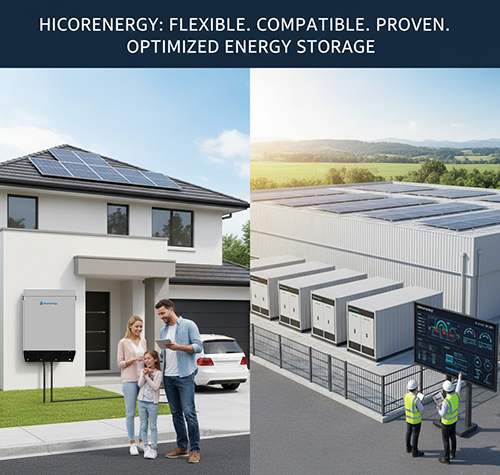
Hicorenergy’s residential and C&I energy storage solutions are designed with wide inverter compatibility and modular scalability, allowing flexible placement near generation sources or demand points. Products such as rack-mounted lithium batteries and integrated battery cabinets support both grid-tied and off-grid configurations, enabling installers to optimize system layout without compromising performance. This flexibility simplifies system design while enhancing reliability and energy utilization.
Collaborating with Trusted Suppliers and Experts
Selecting the optimal installation location for energy storage systems is most effective when guided by experienced suppliers and technical experts. Trusted manufacturers provide not only hardware but also installation guidelines, safety documentation, and system design support. Collaboration helps installers navigate site-specific challenges such as environmental constraints, regulatory requirements, and future expansion planning.
Hicorenergy supports partners through comprehensive technical documentation, global service networks, and remote monitoring capabilities. With extensive experience across residential, commercial, and industrial projects, professional guidance ensures that location decisions align with both product specifications and real-world operating conditions. This collaborative approach reduces risk, improves system longevity, and enhances customer satisfaction.
Final Summary
Choosing the right installation location for energy storage systems is essential for safety, efficiency, and long-term value. With flexible designs, wide compatibility, and proven lithium solutions, Hicorenergy enables optimized placement across residential and C&I applications while supporting reliable, future-ready energy storage deployments.
Contact Us
Email: info@hicorpower.com
WhatsApp: +86 181-0666-3226