Introduction to Stacked Battery Technology
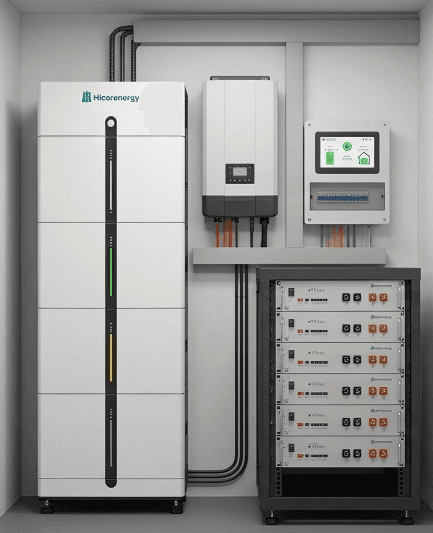
In the rapidly advancing world of energy storage, stacked battery technology has emerged as a transformative innovation, reshaping how power is managed and utilized—especially within renewable energy systems. This method involves the strategic layering of battery cells to significantly boost energy density and overall efficiency. It is particularly well-suited for solar energy integration, where space and performance are critical. Companies like Hicorenergy are at the forefront, leveraging stacked battery technology to optimize performance by minimizing internal resistance and enhancing thermal management. This ensures consistent and reliable power delivery, even under variable conditions. The core of this advancement lies in the stacked battery design, which enables compact, space-saving arrangements without compromising high energy output.
Exploring Stacked Battery Design
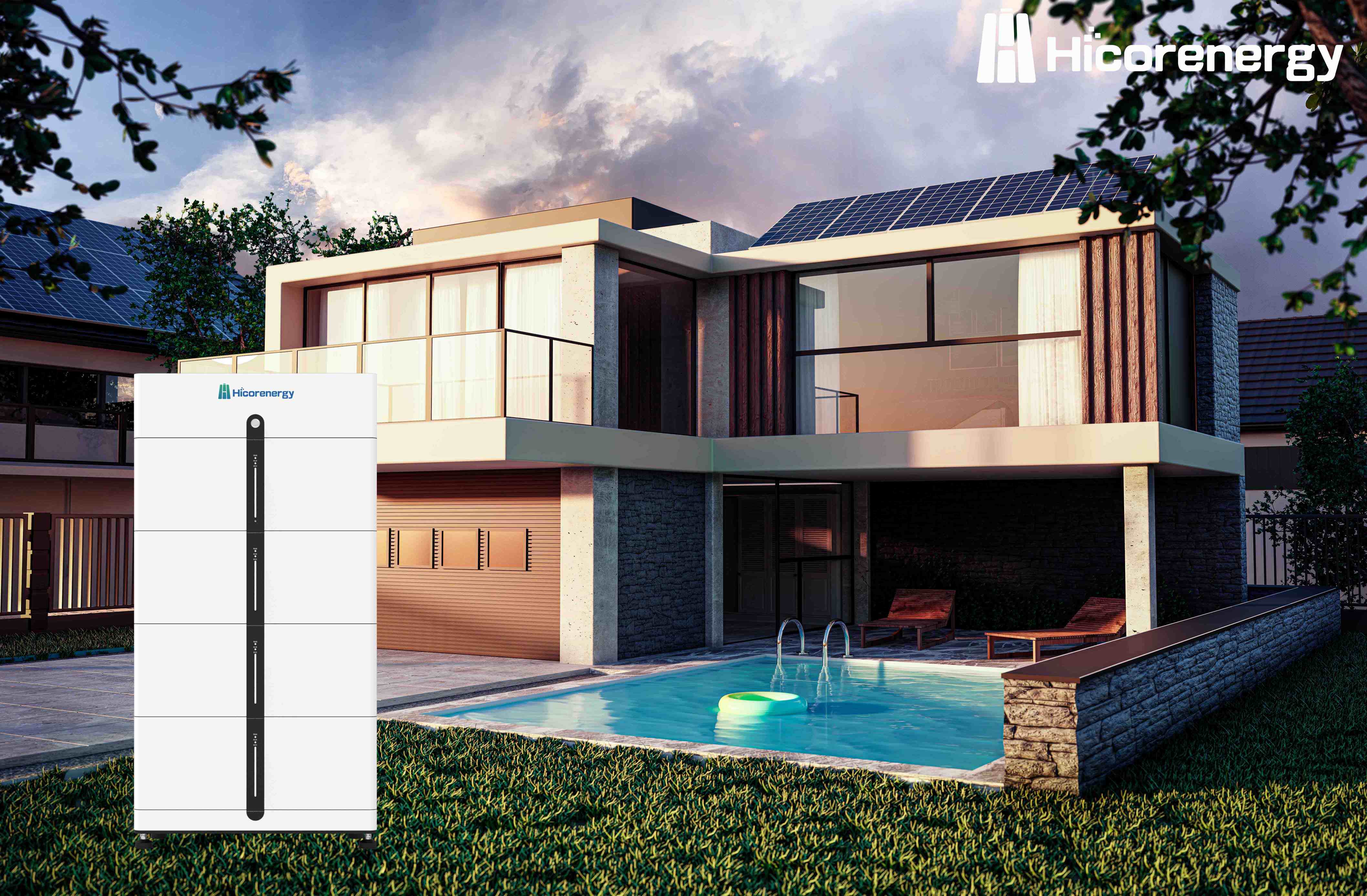
Stacked battery design centers on the architectural layout of battery cells, where precise layering improves both electrical conductivity and structural integrity. This innovative approach overcomes common limitations of traditional batteries—such as uneven current distribution—by implementing meticulous stacking techniques that enhance stability and performance. In Hicorenergy's advanced energy storage products, this design incorporates durable materials that resist degradation, resulting in more efficient and long-lasting energy storage units. Stacked lithium-ion battery configurations further benefit from this design, achieving higher voltage outputs and faster charging cycles—making them an ideal choice for residential solar applications. Additionally, the compact nature of stacked battery design supports easy scalability, allowing users to expand their energy systems seamlessly as their needs evolve.
Advantages of Stacked Lithium-Ion Batteries
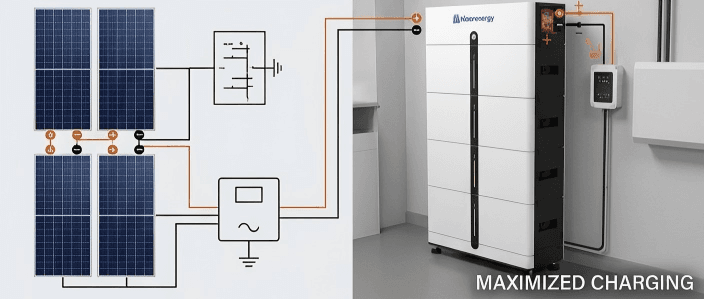
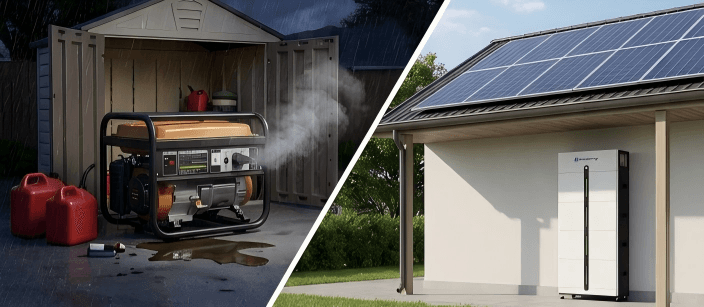
Stacked lithium-ion batteries mark a major leap in energy storage, merging the high energy density of lithium-ion chemistry with the structural advantages of layered design. This powerful combination supports greater energy retention and superior discharge rates—essential for applications that demand a steady and reliable power supply, such as off-grid solar systems. Hicorenergy utilizes this technology to enable smooth integration with renewable sources, ensuring minimal energy loss during conversion and storage. These batteries also feature enhanced safety mechanisms, including improved heat dissipation across layers to prevent overheating. As a result, stacked lithium-ion batteries deliver extended operational life and lower maintenance requirements, offering a cost-effective and sustainable energy solution. Moreover, the stacked battery lifecycle is prolonged through optimized material usage, which effectively reduces wear and extends service life.
Understanding Stacked Battery Lifecycle
The lifecycle of a stacked battery covers its entire operational journey—from the first charge to eventual recycling or disposal. Factors such as usage patterns and environmental conditions play a significant role in its longevity. Thanks to innovative engineering, stacked battery technology significantly reduces cycle degradation, enabling batteries to retain up to 80% of their capacity even after thousands of cycles. Hicorenergy enhances this further with integrated smart monitoring systems that track key performance metrics, allowing users to anticipate maintenance and extend battery life. The stacked battery lifecycle also benefits from a design that evenly distributes electrochemical stress across cells, helping to prevent early failures. This improved reliability meets the growing demand for robust energy storage in renewable applications, where day-to-day performance is non-negotiable.
Sustainable Practices in Stacked Battery Recycling
Stacked battery recycling is a crucial component of sustainable energy technology, focusing on the responsible management of batteries at end-of-life to reduce environmental impact. The process involves carefully disassembling stacked units to recover valuable materials—such as lithium and cobalt—for reuse in new batteries, supporting a circular economy. Hicorenergy embeds recyclability into its product design, ensuring that its stacked batteries are easier to dismantle and process, in alignment with global initiatives to curb electronic waste. By following rigorous recycling protocols, stacked battery recycling helps conserve natural resources and lowers the carbon emissions linked to battery manufacturing. Beyond preserving raw materials, this practice addresses safety by ensuring hazardous components are handled appropriately, establishing stacked battery recycling as a foundational element of eco-friendly energy solutions.
What does stacking batteries do?
Stacking batteries increases total energy capacity and power output by combining multiple standardized battery modules into one system. Instead of replacing an entire battery, users can expand capacity by adding modules as needed. This method improves flexibility, reduces upfront costs, and supports redundancy, ensuring stable performance even if one module is offline. Stacking batteries also simplifies transportation, installation, and future upgrades, making energy storage more adaptable and cost-effective.
Join Hicorenergy in embracing solar battery storage and step confidently into a cleaner, greener tomorrow.
Contact us via Email: info@hicorpower.com or WhatsApp: +86 181-0666-3226.