The Next Generation of Energy Storage Efficiency
As the world pivots towards renewable energy sources like solar and wind, the need for advanced energy storage systems has become more critical than ever. To ensure reliability and maximize performance, these systems must operate under optimal conditions, with thermal management being a key factor. A pivotal innovation addressing this challenge is the Liquid Cooling Battery Cabinet, an engineered solution designed to push the boundaries of efficiency, safety, and lifespan for modern energy storage. Hicorenergy is at the forefront of this evolution, developing modular battery systems that seamlessly integrate this cutting-edge cooling technology to support a greener, more sustainable future.
Understanding Liquid Cooled Battery Systems
At the core of this advancement are Liquid Cooled Battery Systems. Traditional air-cooling methods often fall short in high-density applications, leading to uneven temperatures and potential performance degradation. Liquid cooling, however, offers a far superior approach. This method involves circulating a specialized dielectric coolant through channels or plates that are in direct contact with the battery modules. The coolant efficiently absorbs heat generated during charging and discharging cycles and transports it away to a heat exchanger, ensuring all battery cells are maintained at a consistent and ideal temperature. This precise thermal control is fundamental to preventing overheating, which in turn enhances both the safety and operational longevity of the entire system.
Innovations in Battery Cabinet Cooling Technology
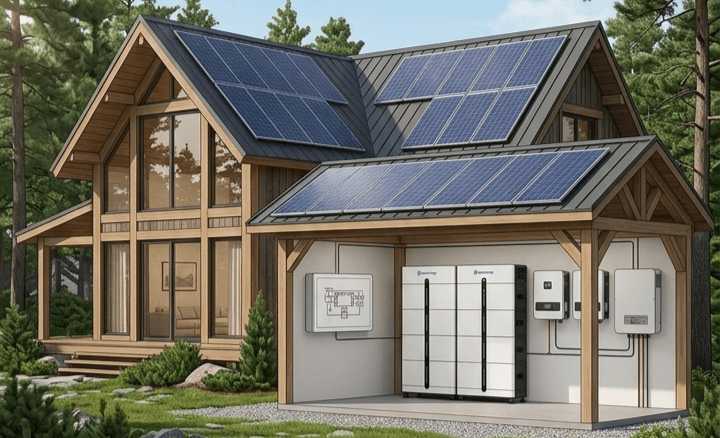
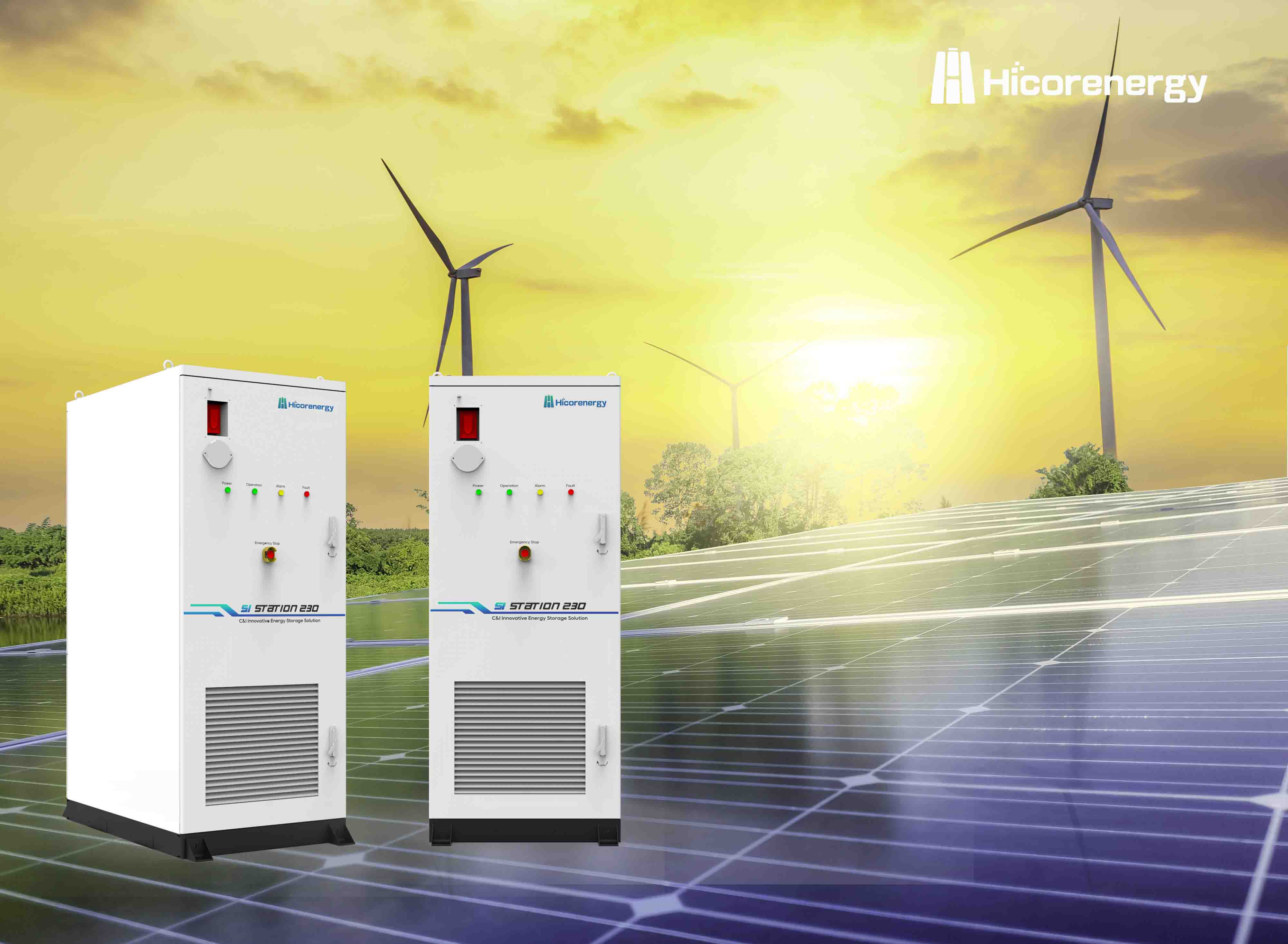
The sophistication of modern Battery Cabinet Cooling Technology is a testament to precision engineering. These are not simply add-on components but fully integrated systems within the storage unit's architecture. A typical setup includes pumps, tubing, cold plates, and an intelligent control unit that monitors temperatures in real-time and adjusts the coolant flow rate accordingly. In designs like Hicorenergy’s sleek, stackable units, this technology is housed within a modular framework, allowing for scalability while maintaining peak thermal performance. This meticulous integration not only maximizes energy density by allowing components to be placed closer together but also ensures the system runs with unparalleled stability and durability, significantly reducing long-term maintenance needs.
Unlocking Unprecedented Performance and Safety
The adoption of a Liquid Cooling Battery Cabinet delivers a multitude of tangible benefits that are crucial for industrial and grid-scale applications. The most significant advantage is the drastic extension of the battery's operational life. By eliminating temperature extremes, the system slows the chemical degradation of battery cells, preserving their capacity for thousands of cycles. Furthermore, this superior cooling drastically reduces the risk of thermal runaway, a critical safety concern in large-scale battery deployments. This enhanced safety and reliability make Liquid Cooled Battery Systems ideal for demanding environments, including supporting renewable energy farms, powering data centers, and enabling fast-charging infrastructure for electric vehicles, thereby accelerating the transition to a fully electrified society.
Pioneering the Future of Sustainable Energy
In conclusion, the evolution of energy storage is inextricably linked to breakthroughs in thermal management. The move towards more powerful and compact solutions necessitates a departure from conventional cooling. Advanced Battery Cabinet Cooling Technology is setting a new standard for the industry, enabling higher performance, greater safety, and improved economic returns on energy storage investments. As companies like Hicorenergy continue to innovate with integrated and scalable solutions, the Liquid Cooling Battery Cabinet stands out as a cornerstone technology, empowering a more resilient, efficient, and sustainable global energy grid for generations to come.