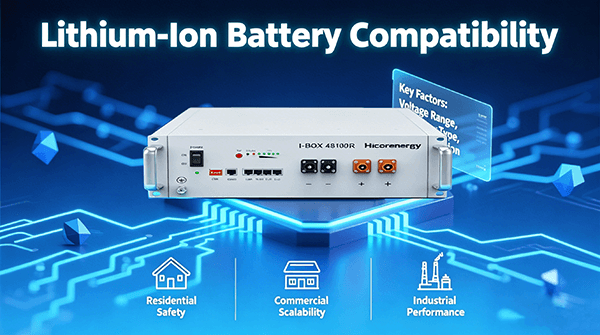
The proliferation of high-energy-density power sources, particularly lithium-ion batteries, has revolutionized industries from automotive to advanced aerial surveillance. To ensure the safety, longevity, and peak performance of these power packs, effective thermal management is non-negotiable. An Air Cooling Battery System represents a foundational and highly effective approach to maintaining optimal operating temperatures. In devices where power and weight are critical, such as in sophisticated drone network management systems, managing battery heat is paramount to mission success and equipment durability.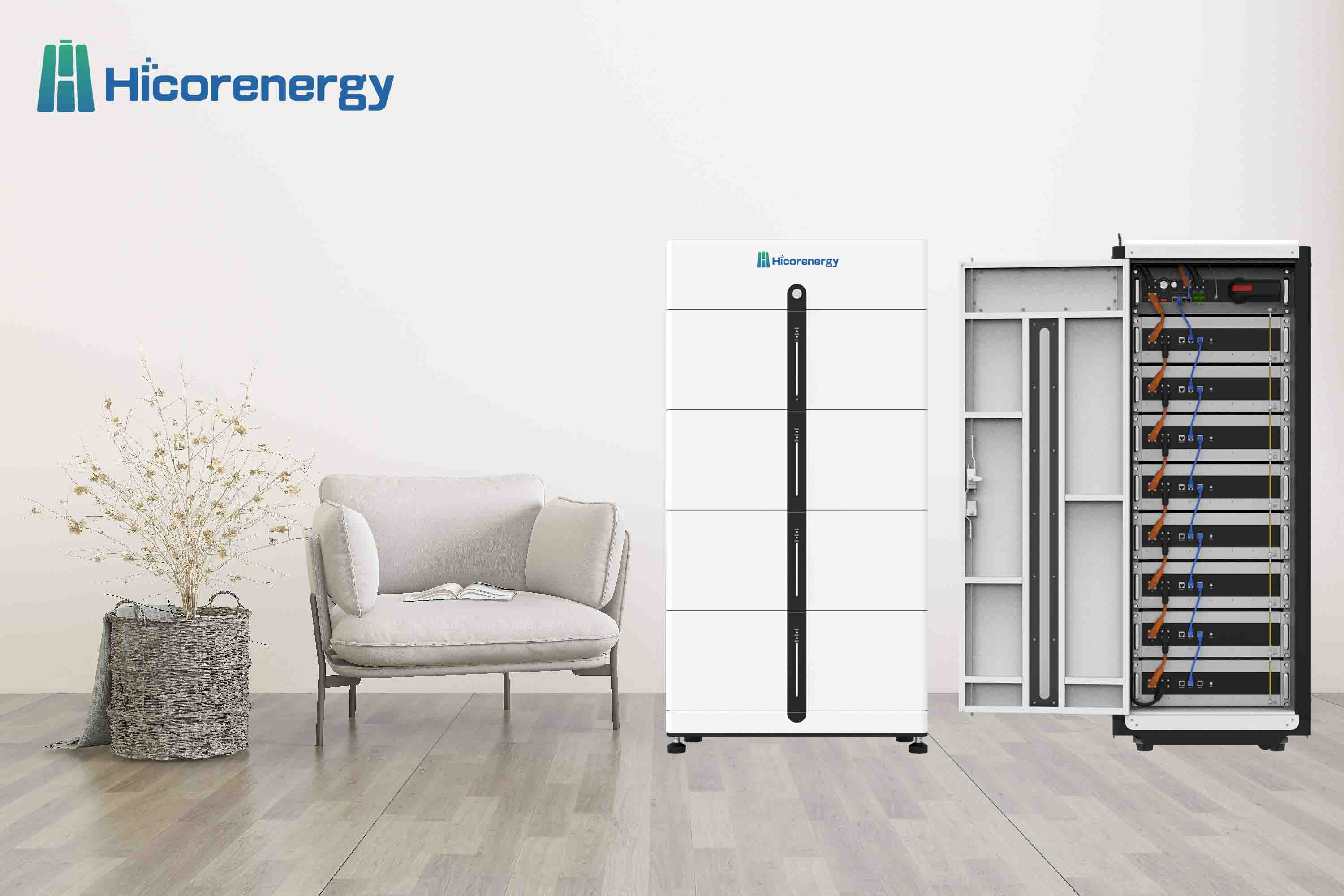
The Critical Need for Lithium-ion Cooling Methods
Why is cooling so important for lithium-ion batteries? During both charging and discharging cycles, batteries naturally generate heat due to internal resistance. If this heat is not dissipated effectively, the battery's internal temperature can rise to dangerous levels. Elevated temperatures accelerate the degradation of battery components, leading to a significantly reduced lifespan and diminished capacity. In a worst-case scenario, excessive heat can trigger a hazardous condition known as thermal runaway, where a chain reaction can cause the battery to vent flammable gases or even catch fire. Therefore, reliable Lithium-ion Cooling Methods are not just about performance optimization; they are a critical safety feature. The goal of any thermal management system is to maintain the battery cells within their ideal temperature window, typically between 20°C and 40°C, ensuring stability and extending their useful life.
How an Air Cooling Battery System Works
Among the various Lithium-ion Cooling Methods, air cooling is prized for its simplicity and effectiveness. The core principle involves using air as the medium to transfer heat away from the battery cells. These systems can be categorized into two main types: passive and active. A passive Air Cooling Battery System relies on natural convection, where warmer air naturally rises and is replaced by cooler, denser air, often aided by fins or heat sinks attached to the battery pack to increase the surface area for heat dissipation. An active system, on the other hand, uses one or more fans to force a controlled flow of air across the battery modules. This forced convection is significantly more effective at removing heat and is the preferred method for applications with higher power demands. The design often includes carefully engineered ducts and vents to ensure that the cooling air is distributed evenly across all cells, preventing localized hot spots.
Advantages and Key Applications
One of the most significant advantages of an Air Cooling Battery System is its relatively low complexity and cost compared to liquid cooling alternatives. It involves fewer components, which not only reduces the initial manufacturing cost but also minimizes potential points of failure and simplifies maintenance. Furthermore, air cooling systems are considerably lighter. This weight advantage is a crucial factor in mobile applications like electric vehicles and is especially vital in aerospace technology, such as the high-performance drones used for data collection and real-time analysis. For a drone, every gram saved translates to longer flight times and increased payload capacity, making an efficient and lightweight cooling solution a key design element. This balance of performance, weight, and cost makes it an ideal choice for a vast range of modern electronic devices.
Limitations and Design Considerations
Despite its many benefits, air cooling is not without its limitations. Its cooling capacity is inherently dependent on the ambient air temperature; in very hot climates, it may struggle to keep the battery within its optimal temperature range. Furthermore, compared to liquid cooling, air has a lower thermal conductivity and heat capacity, meaning it is less effective at dissipating heat in extremely high-power, high-current applications where a large amount of waste heat is generated in a short time. Effective implementation requires careful engineering to manage airflow, minimize pressure drops, and ensure uniform cooling. The performance of the system is a delicate balance between fan power, aerodynamic efficiency, and acoustic noise, all of which must be considered during the design phase.