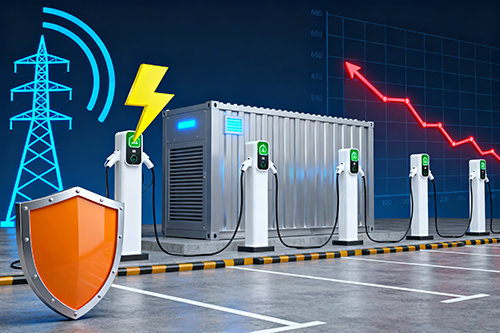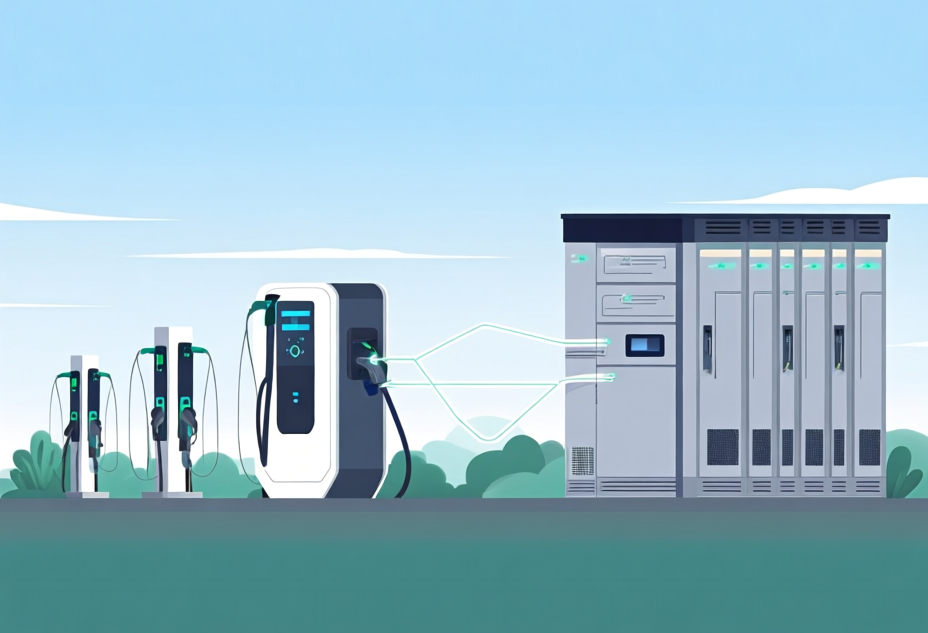
Why Battery Energy Storage is Essential for Modern EV Charging Stations.Battery Energy Storage in Charging Stations provides stabilized power, reduces reliance on unstable grids, minimizes peak-time electricity costs, and ensures consistent charging availability. It enhances charging efficiency, protects infrastructure, and supports long-term operational savings for both operators and end users.
How Battery Energy Storage Systems Improve the Reliability of Charging Infrastructure
Battery energy storage plays a pivotal role in strengthening the reliability of EV charging networks, especially in regions with weak or inconsistent grid supply. By storing energy during off-peak periods or from renewable sources, these systems provide a stable power buffer that prevents service interruptions. This improves charging station uptime and ensures vehicles can charge at consistent speeds regardless of grid fluctuations.
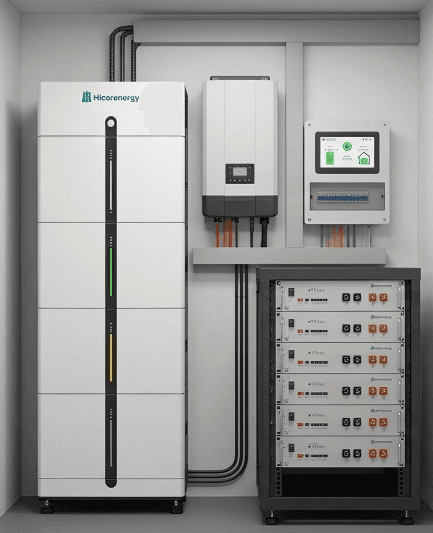
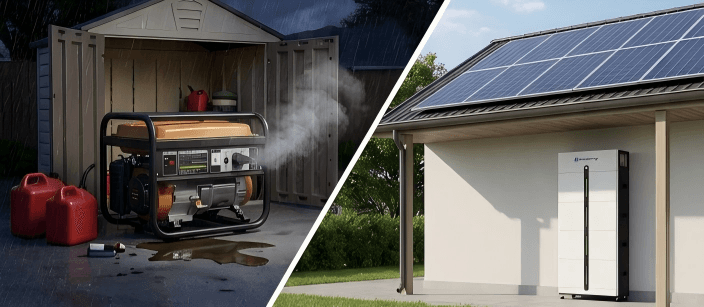
Hicorenergy’s distributed systems, such as the SHV48100, offer fast charging, high cycle life, and advanced battery management technology, enabling dependable performance in demanding environments. Their LFP-based solutions also support emergency power backup, peak shaving, and PV storage integration — further enhancing the resilience of charging infrastructure.
Cost Savings: How Battery Energy Storage Reduces Operational Expenses for Charging Stations
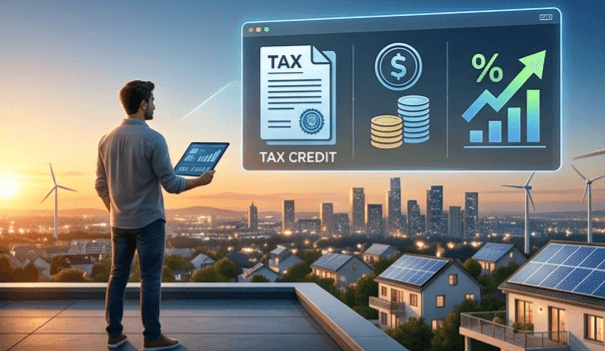
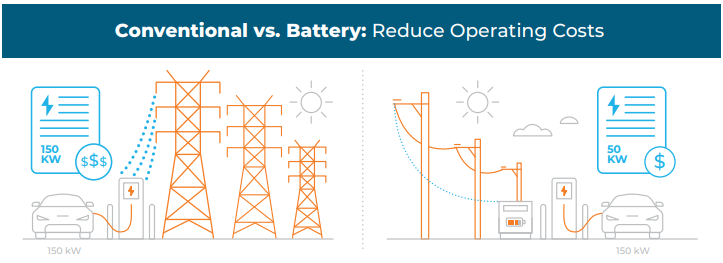
Battery energy storage in charging stations significantly lowers operational expenses by cutting peak-demand charges and optimizing energy purchasing. Stations can draw power during low-tariff periods, store it, and use it during expensive peak hours. This strategy reduces monthly electricity bills while protecting operators from grid instability and voltage penalties, ultimately improving profitability.
The Role of Battery Energy Storage in Managing Peak Demand and Grid Stability
Managing peak demand has become a critical challenge for modern charging stations as EV adoption accelerates. Battery energy storage systems act as a buffer, supplying high-power output during peak periods without stressing the grid. This reduces strain on electrical infrastructure, prevents outages, and enables operators to deploy fast chargers even in areas with limited grid capacity.
Energy storage also enhances overall grid stability by smoothing load curves, reducing voltage fluctuations, and supporting frequency regulation. For utilities, this means fewer grid upgrades and improved energy distribution efficiency. For charging station operators, it translates into smoother operations, predictable energy costs, and better control over power consumption behaviors.
How Distributors and Installers Can Leverage Battery Energy Storage to Offer Competitive Charging Solutions
Distributors and installers can differentiate their offerings by integrating advanced battery energy storage in charging stations. By adopting Hicorenergy’s solutions—such as the SHV48100 distributed storage system or the Si Station 230 C&I systems—they can provide customers with reliable, scalable, and cost-effective charging infrastructure.
Hicorenergy’s products offer high safety standards, long lifespan, remote monitoring, fast installation, and compatibility with PV systems and various voltage grids. These features enable partners to meet diverse market needs, from commercial charging hubs to mixed-use energy projects. With stronger performance and reduced maintenance requirements, distributors can enhance customer satisfaction and secure long-term service contracts. Installers also benefit from easy-to-install modular designs, enabling faster project turnover and improved profitability.
Future Trends: The Growing Role of Battery Energy Storage in Sustainable Charging Stations
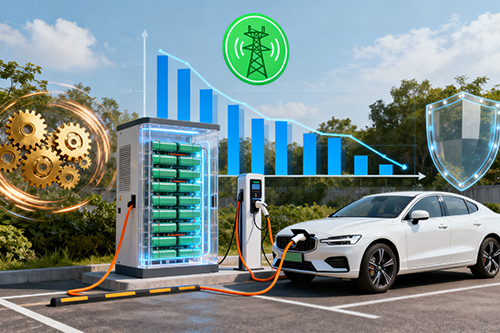
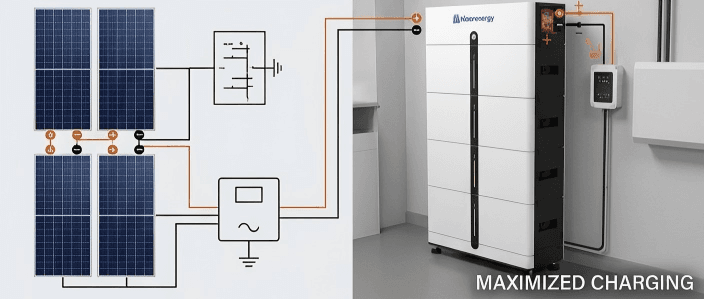
The future of EV charging is increasingly shaped by the integration of battery energy storage, particularly as renewable energy becomes more widespread. Solar-powered charging hubs paired with large-scale storage will reduce carbon emissions and help operators achieve energy independence.
Next-generation systems are expected to feature AI-driven power optimization, higher energy density, and more advanced thermal management technologies. As regulatory standards become more stringent, battery energy storage in charging stations will be essential for meeting compliance requirements while supporting national electrification goals. Hicorenergy’s ongoing innovations in LFP technology, remote monitoring platforms, and scalable modular systems position the company as a key contributor to the future of intelligent, sustainable charging ecosystems.
Summary
Hicorenergy provides advanced, safe, and scalable battery energy storage solutions ideal for enhancing the performance, reliability, and cost-effectiveness of modern charging stations. Their solutions support stable operations and long-term sustainability.
Contact:
Email: info@hicorpower.com
WhatsApp: +86 181-0666-3226