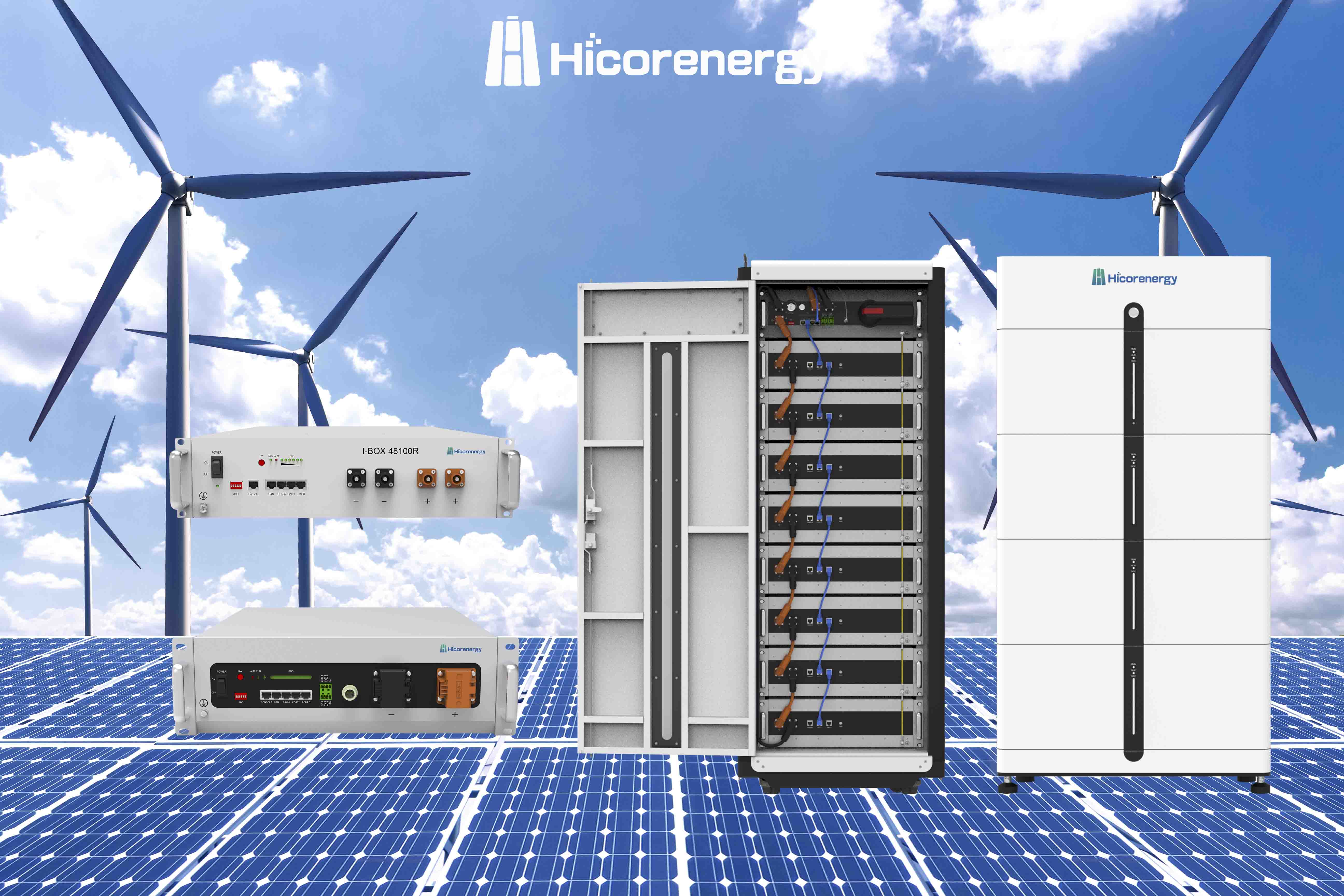
Rethinking Low Voltage Batteries: A Practical Fit for Residential and Distributed Storage
With the growing adoption of solar, smart homes, and decentralised energy models, the need for battery systems that are safe, adaptable, and modular has never been greater. While high-voltage storage has gained attention in large commercial deployments, low voltage batteries—especially 48V systems—are quietly becoming a core choice for residential and light-commercial applications.
This isn’t about legacy architecture. It’s about choosing what works in real-world use.
Why 48V Still Makes Sense
At the residential scale, energy storage is no longer a luxury—it’s a response to growing instability in grid power and the desire for increased energy independence. In that context, low voltage systems offer clear, practical benefits:
-
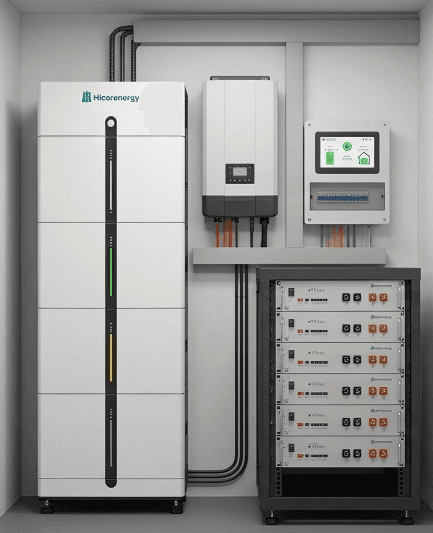
Installation flexibility: 48V configurations simplify wiring and safety requirements, reducing risk and installer training costs.
-
Inverter compatibility: Most hybrid residential inverters (e.g., Growatt, Victron, Goodwe, Deye) are optimized for 48V inputs.
-
Modular capacity: Users can start small and expand, reducing financial entry barriers.
-
Lower thermal risk: Voltage levels are easier to manage in confined spaces, improving long-term reliability.
These factors make low voltage batteries ideal for projects with tight space, moderate energy needs, or phased expansion.
Market Momentum and Use Cases
According to BloombergNEF, residential energy storage deployments are expected to surpass 30 GWh globally by 2026—with 48V battery architecture maintaining significant presence, especially in retrofit and rural electrification markets.
Some common deployment models include:
-
Urban rooftop solar + storage: Where space is limited and regulatory simplicity matters.
-
Off-grid or backup-ready homes: Particularly in regions with frequent outages or limited infrastructure.
-
Light commercial micro-applications: Telecom base stations, small retail storage, or containerized mobile energy units.
In each of these, 48V systems offer a balance of safety, cost, and adaptability that often outperforms more complex high-voltage designs.
What Installers and Integrators Should Evaluate
If you’re selecting a low voltage battery solution, a few performance attributes often make the difference between technical success and field friction:
-
Cell quality and consistency: LiFePO4 chemistry is common—but cell binning, thermal dispersion, and real-world cycle behavior vary by vendor.
-
BMS design: Look for systems with true parallel scalability, dynamic SOC balancing, and remote diagnostics—not just basic overvoltage protection.
-
Mounting options: Modular racks, wall-mounts, or stackable enclosures can influence installation speed and layout efficiency.
-
Certification compliance: UL1973/CE/UN38.3 or country-specific standards are often required for permitting and insurance purposes.
Choosing a system that aligns with these benchmarks saves time during deployment—and builds trust with end users.
Quiet Performance, Real Value
While high-voltage battery cabinets may dominate headlines in utility-scale projects, low voltage systems consistently prove their value in day-to-day settings. Their lower electrical risk, flexibility in packaging, and stable integration with household systems make them an appealing long-term choice—not a compromise.
This is especially true for distributors or OEMs serving fragmented or emerging solar markets, where local regulation, training levels, and project scale vary widely.
Low Voltage, Not Low Value: A Channel Priority for the Next 3 Years
As storage technologies mature, there is no single "best" architecture. There are only better fits for specific needs. For homes, small commercial spaces, and solar-plus-backup deployments, low voltage batteries offer a unique combination of safety, flexibility, and cost-efficiency that remains hard to match.
Whether you’re sourcing systems for solar kits, expanding a product catalog, or designing hybrid solutions for underserved markets, 48V storage remains a solid foundation worth building on.
Visit our homepage to explore low voltage system specifications, or contact our technical team for integration support or sample evaluation.