230kWh Energy Storage System: Tailored Solutions for Large-Scale Energy Needs
HomeBlog230kWh Energy Storage System: Tailored Solutions for Large-Scale Energy Needs

230kWh Energy Storage System: Tailored Solutions for Large-Scale Energy Needs

  • News
Posted by Hicorenergy On Aug 13 2025

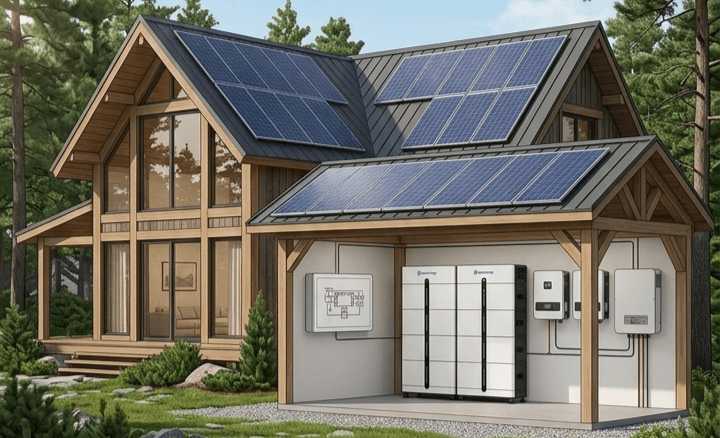
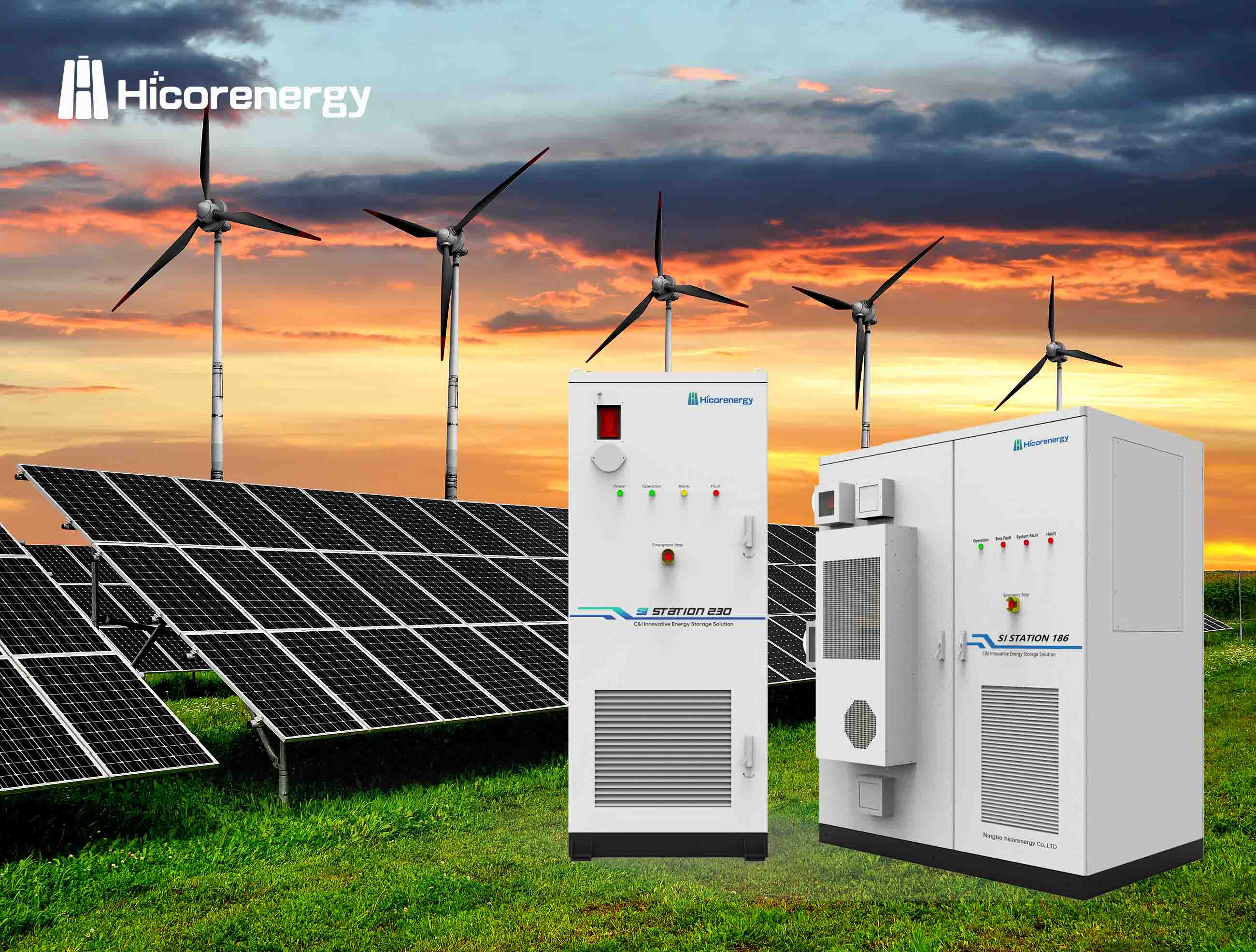
230kWh energy storage system in a commercial facility providing backup power

230kWh Energy Storage System: Tailored Solutions for Large-Scale Energy Needs

As energy demands rise and businesses seek greater control over their energy costs and sustainability, large-scale energy storage systems have become indispensable. The 230kWh energy storage system offers an optimal solution for commercial and industrial sectors that require substantial energy capacity, scalability, and long-term performance.

Whether the goal is to store solar energy, ensure backup power, or optimize grid interaction, the 230kWh system delivers reliable, cost-efficient, and flexible energy storage.

Key Features of the 230kWh Energy Storage System

The 230kWh system provides high performance for industries that require heavy-duty storage solutions. Here are its key features that differentiate it from smaller-scale systems:

  • High Energy Capacity: At 230kWh, this system can support large commercial buildings, factories, and industrial sites with higher power demands, offering extended autonomy for backup or peak-shaving.

  • Scalability: The modular design allows businesses to expand their energy storage capacity as their energy needs increase, without the need for a complete system replacement.

  • Long Lifespan: Equipped with LiFePO4 technology, the 230kWh system offers up to 6000 charge/discharge cycles, significantly reducing operational and maintenance costs over time.

  • Advanced Thermal Management: Built-in thermal regulation ensures the battery operates at optimal temperatures, minimizing heat-induced degradation and improving overall system safety and longevity.

  • Seamless Integration: Compatible with most solar inverters and energy management systems (EMS), ensuring easy integration into existing energy setups.

Applications of the 230kWh Energy Storage System

1. Managing Peak Demand in Industrial Operations

Scenario: Manufacturing plants and industrial facilities often experience spikes in energy consumption, leading to high peak demand charges and increased electricity costs. Additionally, these plants require continuous power to keep production lines running smoothly during grid outages.

Solution: The 230kWh system stores energy during off-peak hours, when electricity rates are lower, and discharges it during peak demand periods, significantly reducing demand charges and ensuring uninterrupted power.

Example: A chemical manufacturing facility with multiple heavy machinery can utilize the 230kWh system to offset peak energy consumption and prevent downtime during grid disruptions, saving on electricity costs and maintaining productivity.

2. Solar Energy Storage for Large Commercial Buildings

Scenario: Large commercial facilities with solar panel installations often generate more energy than they can use during the day. Without a storage solution, excess energy is wasted, and the building must rely on grid power during the night.

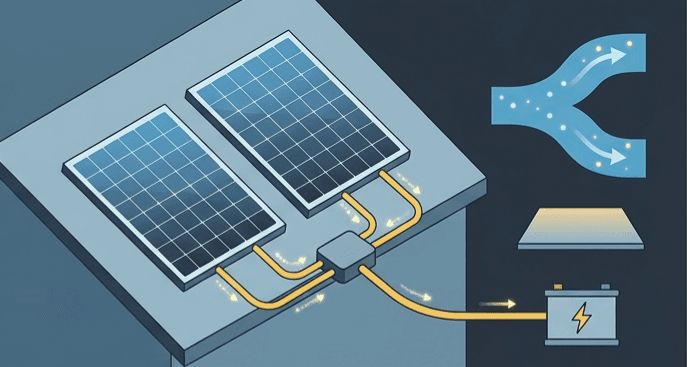
Solution: The 230kWh energy storage system allows the facility to store excess solar energy, making it available for use during non-sunlight hours. This reduces reliance on the grid, lowers electricity costs, and improves energy independence.

Example: A large shopping mall with rooftop solar panels can use the 230kWh system to store excess solar energy, reducing grid dependency and cutting down operational costs.

3. Off-Grid Energy Solutions for Remote Locations

Scenario: Businesses operating in remote areas (such as mining operations, telecom towers, or rural farming communities) need reliable energy storage solutions, especially when grid access is limited or non-existent.

Solution: The 230kWh system provides a scalable off-grid energy storage solution. By storing energy from renewable sources like solar or wind, the system ensures a consistent power supply during periods of low energy generation, reducing the need for expensive diesel generators.

Example: A telecommunications company operating in a remote region can use the 230kWh system to store energy from solar panels, providing continuous power to communication infrastructure, even when the grid is unavailable.

4. Integrating Renewable Energy into the Grid

Scenario: As more businesses adopt renewable energy sources, integrating these intermittent energy sources into the grid becomes essential. However, balancing the supply and demand of renewable energy requires robust storage solutions.

Solution: The 230kWh system can store excess energy from solar farms or wind turbines during periods of high production, then release it to the grid when energy demand peaks or when renewable generation is low. This ensures a stable energy supply and helps to stabilize the grid.

Example: A solar farm operator can use the 230kWh system to store excess solar energy and dispatch it to the grid, reducing the impact of intermittency and maximizing the value of the renewable energy generated.


The 230kWh Energy Storage System for Large-Scale Commercial and Industrial Use

The 230kWh energy storage system is a powerful, scalable solution that helps businesses and industries manage their energy needs efficiently. Whether for solar energy storage, backup power, or peak-shaving, the 230kWh system ensures that businesses can rely on cost-effective, sustainable energy storage while reducing their electricity costs and grid dependency.

For EPC contractors, OEM distributors, and energy service providers, offering the 230kWh energy storage system allows you to meet the growing demands of commercial and industrial energy storage.

Explore Hicorenergy’s 230kWh energy storage systems or contact us for detailed specifications, pricing, and tailored solutions.

Categories

Featured Blogs

Share On

Contact us

Get in touch with us for more information about our products and services

Phone

Featured Blogs

How Will Stacked Energy Systems Reshape the Future of Grid Stability?

How Will Stacked Energy Systems Reshape the Future of Grid Stability?

1.What Are Stacked Energy Systems and Why Is Grid Stability So Critical? 2.Enhancing Grid Resilience: How Stacked Systems Provide Unwavering Frequency Regulation 3.Peak Shaving and Load Balancing: The Economic Advantage of Modular Storage 4.Integrating Renewables: Stacked Energy as the Backbone for a Sustainable Grid

Read More
Safety Tips for Energy Storage Batteries in Hot Climates (2025 Guide for Distributors & Installers)

Safety Tips for Energy Storage Batteries in Hot Climates (2025 Guide for Distributors & Installers)

1.Why High Temperatures Are the #1 Risk for Lithium Energy Storage Systems in Hot Regions? 2.Best Battery Chemistries for Hot Climates: LFP vs NMC in Extreme Heat 3.Maximum Operating Temperature Limits You Must Never Exceed 4.Essential Cooling Solutions for ESS in Desert and Tropical Areas 5.Installation & Site Selection Rules to Prevent Thermal Runaway in 40°C+ Environments 6.Recommended Safety Certifications and Official Resources for Distributors and Installers

Read More
Benefits of Battery Energy Storage in Charging Stations

Benefits of Battery Energy Storage in Charging Stations

1.How Battery Energy Storage Systems Improve the Reliability of Charging Infrastructure 2.Cost Savings: How Battery Energy Storage Reduces Operational Expenses for Charging Stations 3.The Role of Battery Energy Storage in Managing Peak Demand and Grid Stability 4.How Distributors and Installers Can Leverage Battery Energy Storage to Offer Competitive Charging Solutions 5.Future Trends: The Growing Role of Battery Energy Storage in Sustainable Charging Stations

Read More
Home Energy Saving Systems: How Can Homeowners Maximize Efficiency and Reduce Costs?

Home Energy Saving Systems: How Can Homeowners Maximize Efficiency and Reduce Costs?

1.Why Home Energy Saving Systems Are Essential for Modern Residential Properties 2.What Are 5 Ways to Save Energy at Home? 3.How Can I Save 90% of My Electric Bill? 4.What Are the Best Energy-Saving Devices for a Home? 5.What Is the Most Energy-Wasting Device in the Home? 6.How Distributors and Installers Can Benefit from Offering Home Energy Saving Systems 7.Understanding the Return on Investment (ROI) for Home Energy Saving System Installations

Read More
How Important Is Product Certification for Energy Storage Products

How Important Is Product Certification for Energy Storage Products

1.Why Product Certification is Crucial for Energy Storage Systems in the Residential Market 2.The Role of Certifications in Ensuring Quality and Safety for Energy Storage Installations 3.How Certified Energy Storage Products Meet Industry Standards and Regulations 4.What Distributors and Installers Need to Know About Energy Storage Product Certifications 5.Top Certifications to Look for When Choosing Energy Storage Solutions for Residential Homes 6.The Impact of Certified Energy Storage Products on Customer Trust and Market Demand

Read More
What Are the Key Benefits of Installing a 10kWh Battery for Residential Energy Storage

What Are the Key Benefits of Installing a 10kWh Battery for Residential Energy Storage

1.Why a 10kWh Battery is a Smart Investment for Homeowners Looking to Save on Energy Costs? 2.How a 10kWh Energy Storage Battery Enhances Home Energy Efficiency and Sustainability? 3.How Many Years Can a 6000 Cycle Battery Last for Distributors and Installers? 4.How Installing a 10kWh Battery Improves Energy Security for Homeowners? 5.Top Benefits of 10kWh Battery Integration with Solar Energy Systems for Home Installers! 6.Why Distributors Should Consider Offering 10kWh Energy Storage Solutions for Residential Clients?

Read More
attitude

It's All About Attitude!