What Is an Energy Storage System and Why Should Installers Consider Installing It?
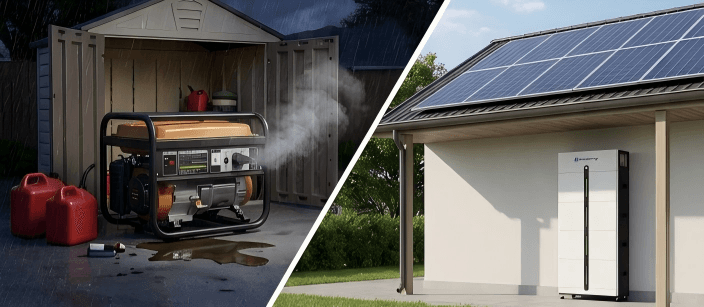
An energy storage system (ESS) stores electricity for later use, helping homeowners and businesses reduce grid dependence, lower electricity costs, and ensure continuous power supply during outages. Installers should consider it as demand for reliable, efficient, and sustainable energy grows rapidly across Australia.
How to Assess the Energy Requirements of Clients Before Installing a Storage System?
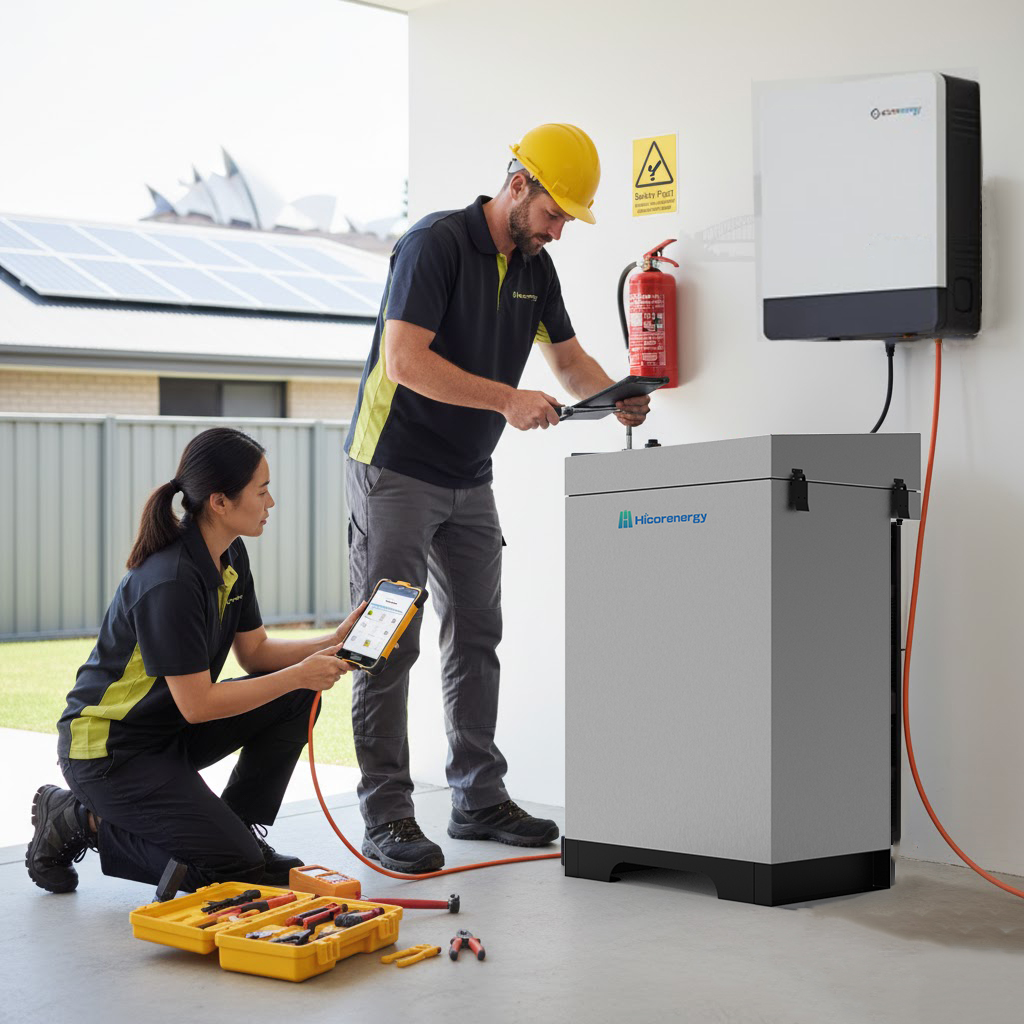
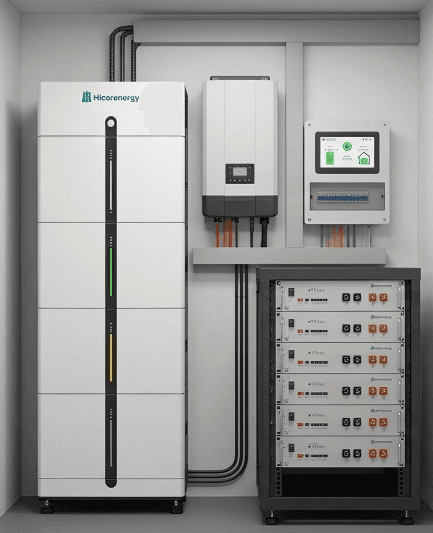
Before installation, installers must thoroughly analyze clients’ energy consumption patterns and backup needs. This involves assessing the total daily energy usage, identifying peak demand hours, and determining whether the storage will support critical loads or full-home backup. Factors such as solar PV capacity, battery compatibility, and available installation space must also be considered. Installers should evaluate the client’s tariff structure to recommend a battery capacity that maximizes time-of-use savings. Moreover, assessing local environmental conditions—such as heat exposure and humidity—is crucial for system longevity. Using Hicorenergy’s modular and scalable solutions, installers can easily tailor system sizes for residential or commercial clients while ensuring seamless integration with major inverter brands.
What Are the Legal and Regulatory Guidelines for Installing Energy Storage in Australia?
In Australia, all energy storage installations must comply with AS/NZS 5139:2019 for battery system safety. Installers must also ensure systems meet Clean Energy Council (CEC) certification requirements and local grid connection standards. Proper licensing, fire safety clearances, and adherence to state regulations are essential to ensure both compliance and consumer protection.
How to Calculate the Costs and Benefits of Installing a Home Energy Storage System?
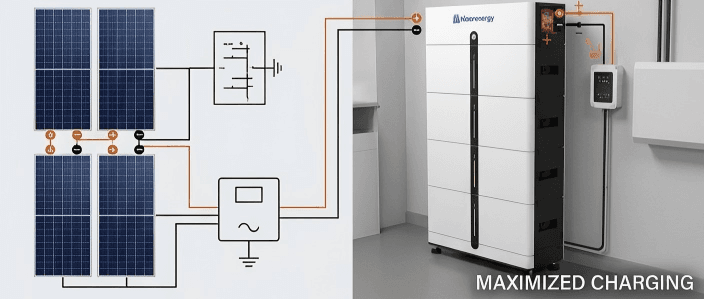
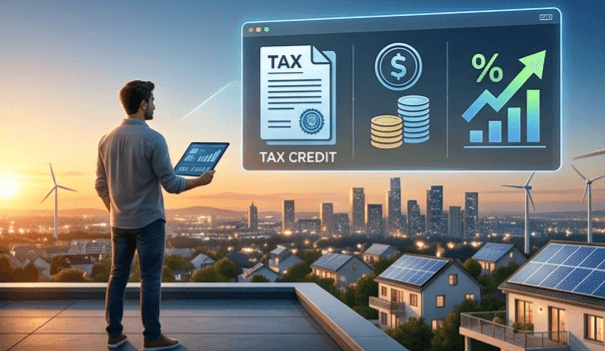
To determine financial feasibility, installers should compare total system costs—including batteries, inverters, cabling, and installation—with projected savings over time. Savings come from reduced electricity bills, feed-in tariffs, and participation in demand response programs. Payback periods vary depending on energy tariffs, solar generation, and usage behavior. For instance, households consuming more electricity during the evening benefit more from energy storage. When clients combine solar generation with systems such as Hicorenergy’s I-BOX 48100R or C5°, they can store excess solar energy during the day and use it at night—cutting electricity costs and improving energy independence. Installers can present financial simulations to demonstrate long-term benefits and environmental impact reduction.
What Safety Standards Should Installers Follow When Installing Energy Storage Solutions?
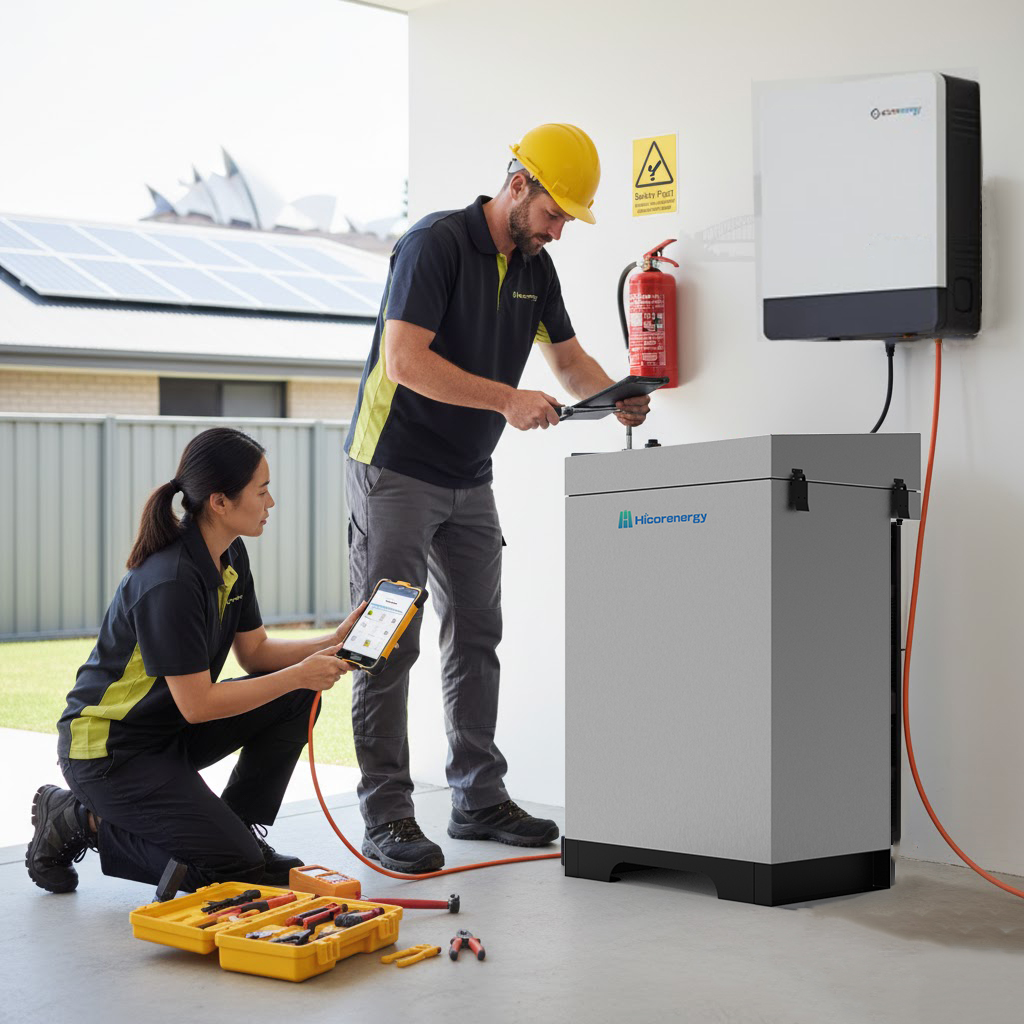
Safety is paramount in energy storage system installation. Installers must ensure batteries meet global certifications and are designed with robust protection mechanisms. Hicorenergy’s products—such as the I-BOX 48100R, Si LV1, and SHV48100—feature Tier 1 LiFePO4 cells, built-in BMS with dual MCU protection, and compliance with UL9540A large-scale fire testing. The Si LV1 system, for instance, includes an integrated DC breaker, multiple protection layers, and IP55-rated enclosures for indoor and outdoor use. Installers should ensure proper ventilation, fire separation distances, and secure mounting. Additionally, Hicorenergy’s smart monitoring system enables real-time status tracking and remote updates, helping installers maintain post-installation safety and performance with minimal maintenance effort.
How Can Installers Increase Profit Margins with Energy Storage System Installations?
Installers can enhance profitability through strategic selection of scalable, easy-to-install, and low-maintenance systems. Hicorenergy offers modular ESS designs like the Si LV1 and SHV48100, enabling rapid installation (as short as 15 minutes) and flexible configuration for various customer demands. This reduces labor costs and increases project turnover rates. Additionally, by offering clients long-lasting batteries with up to 20 years of design life and 10-year warranties, installers can build stronger customer trust and long-term service contracts. Leveraging remote monitoring features also minimizes after-sales costs. Installers can further grow revenue by bundling installation services with maintenance plans and integrating Hicorenergy’s commercial solutions—such as the Si Station 186 or 230—for industrial clients seeking large-scale storage.
Conclusion
Hicorenergy provides safe, efficient, and flexible energy storage systems that empower Australian installers to deliver reliable, compliant, and profitable solutions to their clients.
Contact Hicorenergy:
Email: info@hicorpower.com
WhatsApp: +86 181-0666-3226