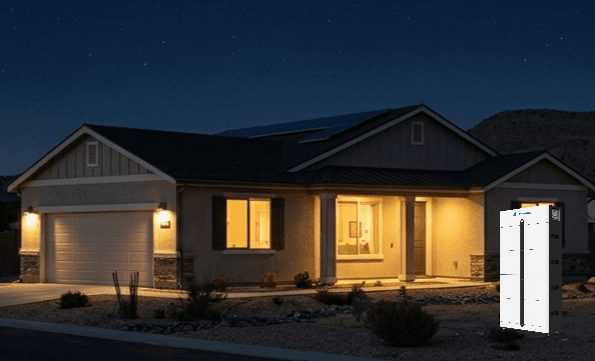
Solar battery systems can reduce electricity bills, provide backup power during outages, and improve energy independence. However, whether solar battery storage is worth it depends heavily on home battery storage cost, local electricity prices, net metering policies, and household energy usage. Understanding the solar battery payback period helps homeowners make smarter long-term energy decisions.
Solar Battery Prices 2025–2026: How Much Does Home Battery Storage Really Cost?
The biggest question homeowners ask is simple: what is the actual home battery storage cost in 2026? In most markets, residential lithium battery systems range from $4,000 to $15,000 depending on storage capacity, inverter compatibility, installation complexity, and backup requirements. Small systems designed for partial backup are usually more affordable, while whole-home backup solutions require larger capacities and therefore higher home battery storage cost.
Average pricing estimates in 2026 include:
| Battery Capacity | Typical Application | Estimated Home Battery Storage Cost |
|---|---|---|
| 5–10kWh | Essential backup loads | $4,000–$8,000 |
| 10–20kWh | Daily solar self-consumption | $8,000–$12,000 |
| 20kWh+ | Whole-home backup | $12,000–$15,000+ |
Advanced systems such as Hicorenergy’s I-BOX 48100R provide scalable residential energy storage with over 6000 cycles and more than 95% round-trip efficiency. The system supports wall-mounted, floor-standing, and rack-mounted installation, helping homeowners optimize available space while controlling home battery storage cost.
How Many Years to Break Even? A Realistic Solar Battery Payback Timeline
The solar battery payback period depends on several factors including electricity tariffs, battery size, installation expenses, and local incentives. In regions with high electricity costs and frequent outages, homeowners often achieve payback within 5–8 years. In areas with lower utility rates, the solar battery payback period may extend to 10–15 years.
However, the calculation is no longer only about electricity savings. Rising utility prices, unstable grids, and increasing demand for home energy resilience are making solar battery systems more attractive every year. Understanding the relationship between home battery storage cost and long-term savings is essential before making a purchase decision.
Net Metering & Your Location: The Two Biggest Factors in Your Battery ROI
One of the most overlooked factors when evaluating whether a solar battery is worth it is local net metering policy. Net metering determines how much compensation homeowners receive for exporting excess solar energy back to the grid. In regions with strong net metering programs, homeowners may recover energy value efficiently without batteries, reducing the immediate need for storage.
However, many countries and utility companies are gradually reducing export compensation rates. As a result, self-consumption is becoming more financially attractive. This shift significantly improves the value proposition of battery storage systems because homeowners can store excess daytime solar power and use it during expensive evening peak periods.
Location also strongly affects solar battery ROI. Areas with high electricity prices, unreliable power grids, or time-of-use tariffs usually experience faster payback periods. For example:
| Region Type | Electricity Cost | Typical Solar Battery Payback Period |
|---|---|---|
| High utility rate markets | Very High | 5–7 Years |
| Moderate utility rate markets | Medium | 7–10 Years |
| Low utility rate markets | Low | 10–15 Years |
A solar battery ROI calculator often shows that homes using time-of-use billing structures achieve significantly greater savings because stored energy replaces expensive evening electricity purchases.
Hicorenergy’s C5° battery system is designed specifically for improving self-consumption efficiency. Its remote monitoring, scalable architecture, and high charge/discharge performance allow homeowners to maximize stored solar energy usage while lowering long-term home battery storage cost. The system also supports remote upgrades and intelligent energy management for improved operational efficiency.
Another important consideration is battery cycle life. Modern LiFePO4 systems typically exceed 6000 cycles, making them much more durable than traditional lead-acid batteries. Longer battery lifespan directly improves overall ROI because replacement frequency decreases substantially over time.
Beyond Price Tag: The Emergency Backup & Home Value Benefits of Solar Batteries
Although many homeowners focus primarily on home battery storage cost, the value of energy security is becoming increasingly important. Severe weather events, unstable utility grids, and rising electricity demand have increased concerns about blackouts worldwide. A reliable home battery backup system allows households to maintain lighting, refrigeration, internet access, and critical appliances during outages.
For families working remotely or operating home businesses, uninterrupted electricity can prevent major financial losses. In many developing regions where grid instability is common, battery storage is not simply a convenience — it is becoming a necessity.
Battery systems also contribute to higher property attractiveness. Real estate studies increasingly show that energy-efficient homes with solar and battery storage systems appeal to environmentally conscious buyers and buyers seeking lower long-term operating expenses. While exact property value increases vary by market, homes equipped with solar storage systems often stand out in competitive housing markets.
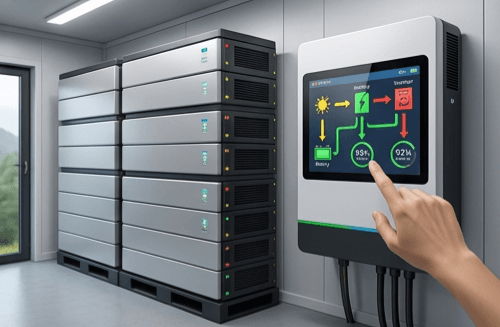
The emotional value of energy independence should not be underestimated either. Homeowners gain greater control over electricity usage and reduced exposure to volatile utility pricing. Modern monitoring applications additionally allow users to track energy production, consumption, and battery performance in real time.
The following chart highlights non-financial benefits homeowners frequently associate with battery storage systems:
| Benefit Category | Impact |
|---|---|
| Backup Power Security | High |
| Energy Independence | High |
| Reduced Grid Reliance | Medium to High |
| Property Appeal | Medium |
| Environmental Benefits | High |
As battery technologies continue improving, the long-term balance between home battery storage cost and overall lifestyle value becomes increasingly favorable.
Hicorenergy provides advanced residential and commercial battery storage systems including the scalable SI LV1, flexible I-BOX 48100R, and intelligent C5° solutions. With global manufacturing and service capabilities, Hicorenergy supports safe, efficient, and reliable energy storage for modern households.
Email: info@hicorpower.com
WhatsApp: +86 181-0666-3226