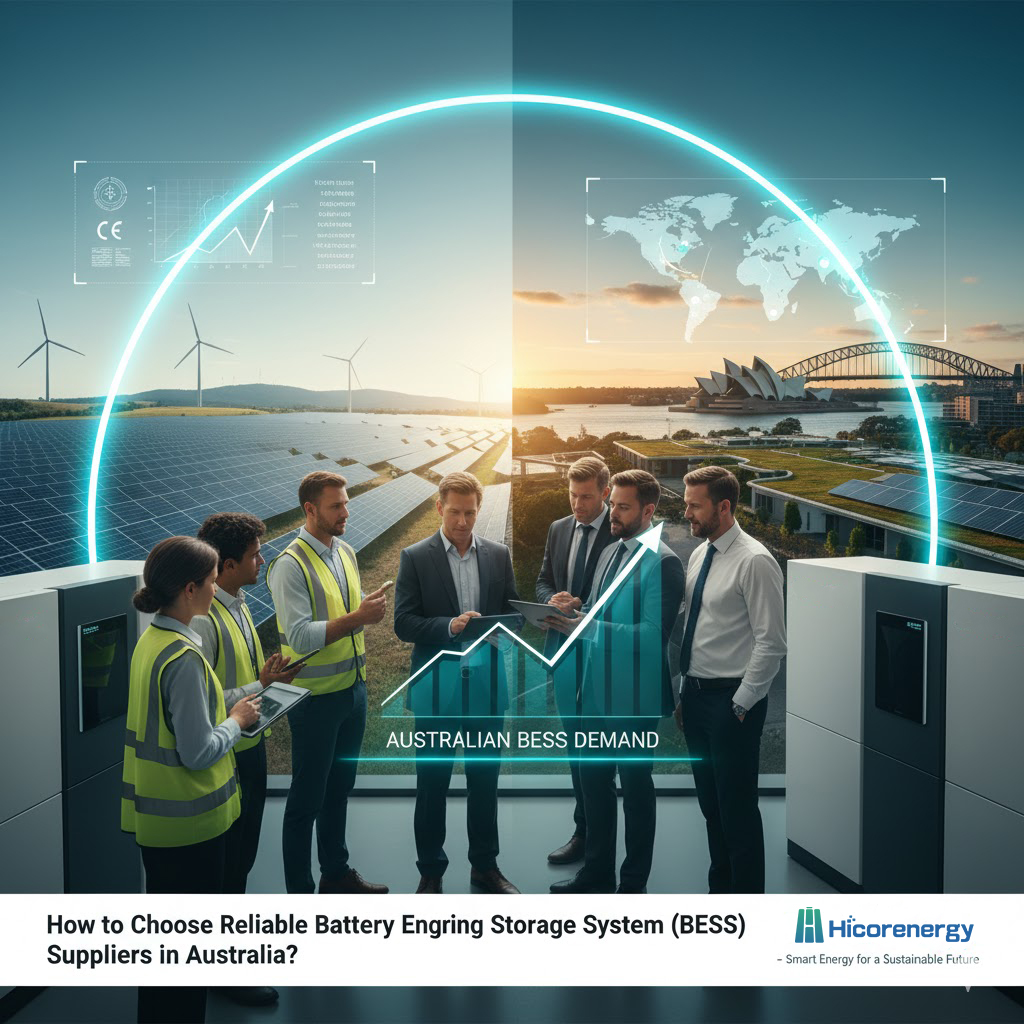
Australia’s renewable energy expansion has driven rapid growth in the demand for energy storage solutions. Whether for residential or commercial use, choosing the right Battery Energy Storage System (BESS) supplier can determine system efficiency, reliability, and long-term profitability. To help energy users and businesses make informed decisions, this guide outlines key factors to consider when selecting reliable BESS suppliers in the Australian market.
What Makes a Battery Energy Storage Supplier Reliable in the Australian Market?
A reliable BESS supplier in Australia combines certified product quality, proven technical expertise, strong after-sales support, and local service capability to ensure stable system performance and long-term reliability.
How to Evaluate the Quality and Performance of Battery Storage Products Before Partnering?
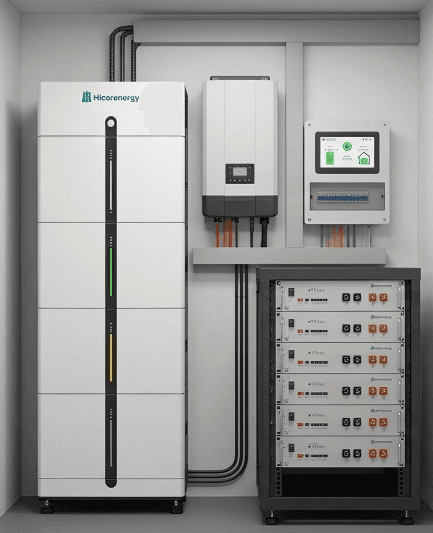
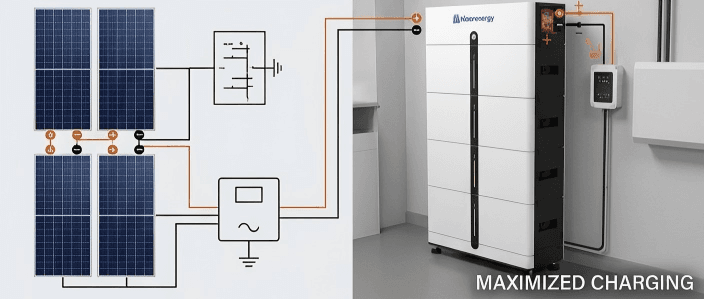
Before partnering with a supplier, it’s essential to assess the performance, safety, and scalability of their products. Reliable Battery Energy Storage System (BESS) suppliers in Australia provide detailed technical specifications and third-party certifications that verify battery performance and safety. For instance, leading brands like Hicorenergy adopt Tier 1 automotive-grade LiFePO₄ cells and self-developed Battery Management Systems (BMS) to ensure optimal safety and efficiency. Products such as the I-BOX 48100R and Si LV1 offer over 6,000 cycles, more than 95% round-trip efficiency, and flexible installation options suitable for both indoor and outdoor applications. Evaluating these indicators—cycle life, energy efficiency, and compatibility—helps verify whether the system can meet Australian environmental and grid requirements.
What Certifications and Compliance Standards Should Australian BESS Suppliers Meet?
Australian BESS suppliers should comply with safety and grid connection standards such as AS/NZS 5139 (Battery installation), AS/NZS 4777 (Inverter compatibility), and IEC/UL international certifications. Compliance demonstrates the supplier’s technical reliability, ensuring their products meet Australia’s strict safety and performance standards.
How to Compare Pricing and Warranty Options Among Battery Storage Suppliers?
Price should never be the only deciding factor when selecting a BESS supplier. Instead, buyers should balance cost with long-term value. Compare suppliers based on total cost of ownership, which includes warranty duration, cycle life, and energy efficiency. Hicorenergy, for example, offers up to 10 years warranty and 20 years design life, reducing maintenance costs over time. Their modular designs, such as C5° and SHV48100, deliver scalable storage capacities with flexible expansion up to 491.52kWh, making them cost-effective for diverse applications. Buyers should also look for transparent warranty policies covering both the battery and control systems to avoid future repair expenses.
What After-Sales Support and Technical Training Should Installers Expect from a Supplier?
Reliable BESS suppliers should offer comprehensive after-sales service and training for installers. This includes local technical support, remote monitoring systems, and real-time diagnostics to maintain system stability. Hicorenergy stands out in this regard, providing local delivery and service teams, remote system upgrades, and a smart monitoring platform that offers data visualization and error detection. Installers can rely on Hicorenergy’s support for quick troubleshooting and continuous performance optimization. Additionally, the company’s C&I solutions, such as the Si Station 186 and Si Station 230, integrate air and liquid cooling systems for better efficiency and are certified for global grid compliance, ensuring smooth operation across various Australian energy scenarios.
How to Build Long-Term Partnerships with Trusted Battery Storage Distributors in Australia?
Building lasting relationships with reliable BESS suppliers involves transparency, consistent communication, and shared growth objectives. Distributors and installers should partner with suppliers that demonstrate manufacturing stability, strong logistics, and flexible customization. Hicorenergy’s multi-regional production bases in China, Vietnam, Europe, and North America ensure stable global supply and faster delivery times to Australia. Their “Making Life Better” mission emphasizes win-win partnerships through reliable technology, eco-friendly energy storage, and sustainable growth strategies. By collaborating with such forward-looking suppliers, Australian partners can ensure long-term success in the rapidly evolving energy storage market.
Summary
Selecting reliable Battery Energy Storage System (BESS) suppliers in Australia involves balancing quality, certification, pricing, and service. With advanced products like the I-BOX 48100R, C5°, Si LV1, and Si Station Series, Hicorenergy provides safe, efficient, and scalable solutions for homes and businesses.
Contact:
📧 Email: info@hicorpower.com
📱 WhatsApp: +86 181-0666-3226