Introduction to Air-Cooled Battery Systems
As global demand for energy storage continues to grow, air-cooled battery systems have become a practical and efficient solution for commercial, industrial, and off-grid applications. These systems support energy optimization, peak demand management, and renewable energy integration, making them a key component in modern energy infrastructure.
Compared to liquid cooling technologies used in high-density scenarios, air cooling offers a simpler and more cost-effective approach, particularly suitable for environments where flexibility, ease of maintenance, and affordability are priorities.
Why Air Cooling Battery Systems Are in High Demand
Air cooling provides a natural and efficient method of temperature regulation by using fans or passive airflow to maintain safe battery operating conditions. This helps prevent overheating, extend battery lifespan, and ensure stable performance.
The growing popularity of air-cooled systems is driven by several advantages:
-
Cost-Effective: Lower installation and maintenance costs compared to liquid cooling systems
-
Energy Efficient: Reduced auxiliary power consumption improves overall system efficiency
-
Simple Design: Fewer components and no fluid management reduce operational complexity
-
Scalable: Easily expandable to meet evolving energy demands
These benefits make air-cooled battery systems an attractive option for businesses seeking reliable and economical energy storage solutions.
Applications and Use Cases of Air-Cooled Battery Systems
1. Commercial Solar + Storage Projects
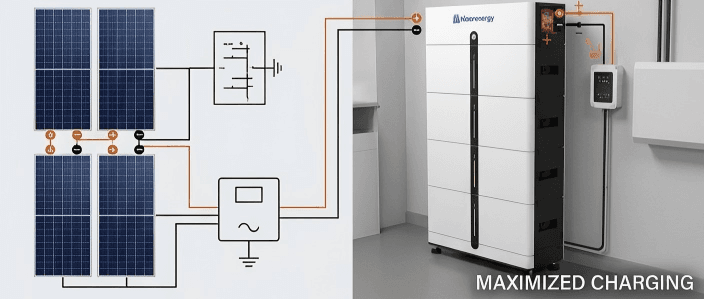
Commercial facilities such as offices, supermarkets, and retail centers increasingly rely on solar energy. Air-cooled battery systems store excess daytime generation and supply power during peak evening hours, improving energy efficiency and reducing electricity costs.
2. Industrial Backup Power for Manufacturing
Manufacturing plants require uninterrupted power to maintain production. Air-cooled systems provide reliable backup energy during outages, minimizing downtime and financial losses. Their compatibility with existing ventilation systems makes them a practical choice for industrial environments.
3. Off-Grid Renewable Energy Systems
In remote areas such as farms or telecom stations, stable grid access may be unavailable. Air-cooled battery systems enable efficient solar energy storage, ensuring continuous power supply during nighttime or low-generation periods.
4. Telecom Infrastructure and Data Centers
Telecom towers and data centers demand continuous, stable power. Air-cooled systems offer a cost-efficient solution for backup power and peak load management, ensuring operational reliability in mission-critical applications.
Hicorenergy Solutions for Air-Cooled Energy Storage
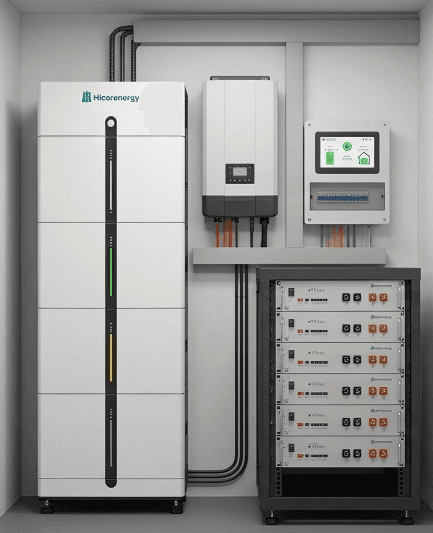
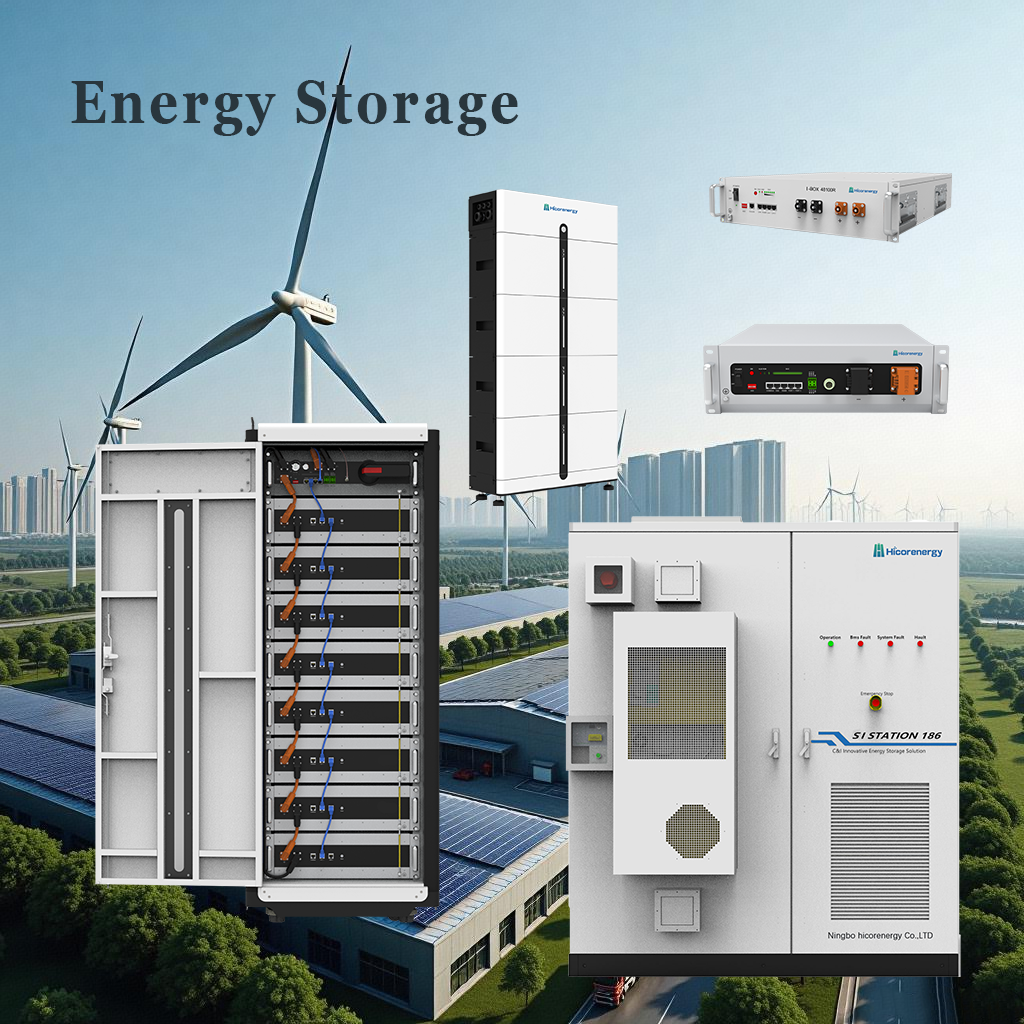
Hicorenergy provides advanced air-cooled battery solutions designed for both residential and commercial applications. For smaller-scale or distributed scenarios, products like the I-BOX 48100R and SI LV1 offer modular, LiFePO4-based storage with high efficiency, over 6,000 cycles, and flexible installation options.
For larger commercial and industrial deployments, Hicorenergy’s SI Station 186 integrates an air-cooling system with a 186kWh capacity, delivering a highly integrated, scalable solution suitable for grid support, renewable energy plants, and industrial energy management. These systems combine safety, performance, and ease of installation, ensuring reliable operation across diverse environments.
Overcoming the Limitations of Air Cooling
While air cooling is highly effective for moderate energy density applications, it may not be the optimal choice for extremely high-capacity or high-temperature environments where liquid cooling systems perform better.
However, for most commercial and industrial use cases, air-cooled systems strike the ideal balance between performance, cost, and operational simplicity. Their flexibility and low maintenance requirements make them a preferred solution for a wide range of energy storage needs.
Key Benefits of Air Cooling Systems
-
Lower upfront investment compared to liquid-cooled alternatives
-
Simplified maintenance with fewer system components
-
Flexible scalability for growing energy demands
-
Improved energy efficiency and reduced operating costs
Conclusion: Versatile and Efficient Energy Storage
Air-cooled battery systems provide a reliable, scalable, and cost-effective solution for modern energy storage across industries. They enable businesses to optimize energy usage while maintaining operational efficiency and flexibility.
Hicorenergy’s air-cooled solutions, including SI Station 186 and modular LiFePO4 systems, deliver safe, efficient, and scalable energy storage for diverse applications, supporting long-term sustainability and performance.
For more information, please contact:
Email: info@hicorpower.com
WhatsApp: +86 181-0666-3226