Lithium-Ion Battery Compatibility is critical for distributors and installers aiming to ensure seamless integration with modern devices and energy systems. This guide explains key compatibility factors, system requirements, and best practices while highlighting how advanced solutions can improve performance, safety, and scalability across residential, commercial, and industrial applications.
Understanding Lithium-Ion Battery Technology: A Key for Distributors and Installers
Lithium-ion battery technology has become the backbone of modern energy storage due to its high energy density, long cycle life, and efficiency. These batteries utilize advanced chemistries such as LiFePO4 to deliver enhanced safety and stability compared to traditional lead-acid alternatives. For distributors and installers, understanding voltage ranges, communication protocols, and battery management systems (BMS) is essential. Proper knowledge ensures that lithium-ion batteries integrate smoothly with inverters, solar systems, and grid applications, ultimately improving performance and reducing system failures.
Why Lithium-Ion Battery Compatibility Matters in Modern Energy Systems
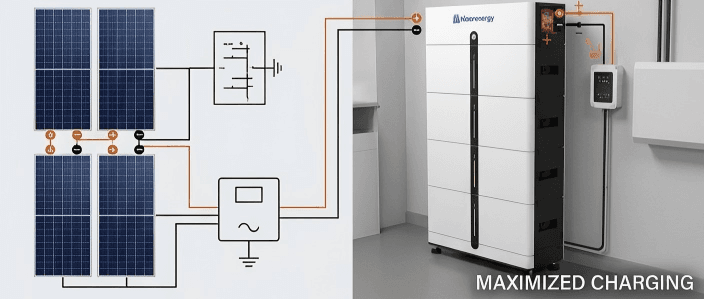
Lithium-Ion Battery Compatibility plays a vital role in ensuring that energy storage systems function efficiently across diverse applications. Modern energy systems often involve complex integrations between solar panels, inverters, grid connections, and backup systems. Without proper compatibility, issues such as inefficient charging, communication errors, or even system failures can occur. Reliable compatibility ensures optimized energy flow, improved system lifespan, and enhanced safety.
Advanced solutions emphasize compatibility with mainstream inverter brands and flexible system configurations. This approach enables seamless deployment in residential, commercial, and industrial environments. Furthermore, compatibility supports scalability, allowing users to expand their systems as energy demands grow. For distributors, offering compatible solutions reduces installation challenges and increases customer satisfaction, making it a critical factor in competitive markets.
Key Factors to Consider When Ensuring Lithium-Ion Battery Compatibility with Devices
Ensuring Lithium-Ion Battery Compatibility requires careful evaluation of several technical and operational factors. Voltage and capacity alignment must match the requirements of connected devices and systems. Communication protocols, such as CAN or RS485, must be supported to enable proper interaction between batteries and inverters. Additionally, the battery management system must provide accurate monitoring and protection.
Environmental conditions also play a role, as temperature ranges can impact performance and lifespan. Physical installation flexibility, including mounting options and space requirements, should be considered to meet diverse application needs. By focusing on these factors, distributors and installers can ensure reliable performance while minimizing risks, encouraging customers to invest in long-term energy solutions.
How to Choose the Right Lithium-Ion Battery for Different Systems and Applications
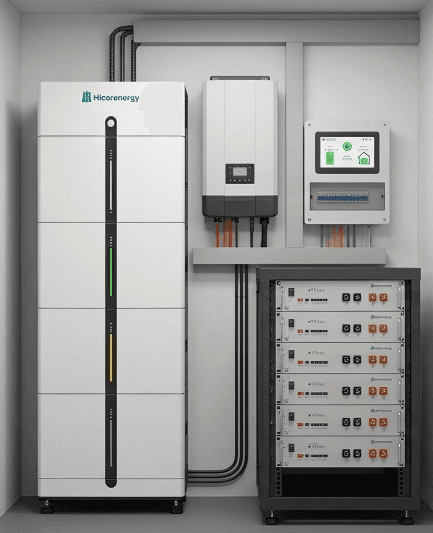
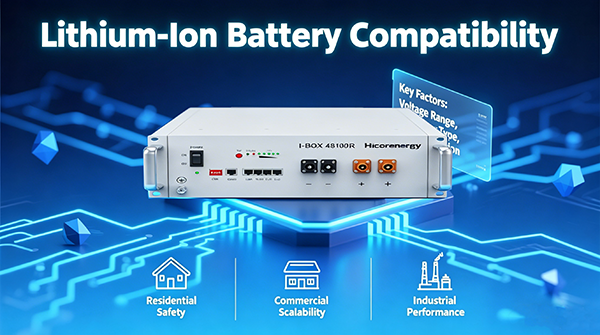
Selecting the right battery depends on application requirements, system size, and performance expectations. For residential use, compact and scalable solutions such as Hicorenergy’s I-BOX 48100R offer high compatibility with major inverters, making them ideal for home energy storage, backup power, and solar integration. These systems provide over 6000 cycles, high efficiency, and flexible installation options, ensuring long-term reliability.
For users requiring advanced features, solutions like the C5° series provide remote monitoring, higher charge/discharge rates, and wide operating temperature ranges. In commercial and industrial settings, systems such as the SHV48100 and Si Station series deliver scalable energy storage with strong compatibility across grid-tied and off-grid configurations. These solutions support peak shaving, backup power, and energy optimization, making them suitable for factories and large-scale applications. By choosing products designed with compatibility in mind, distributors can meet diverse customer needs effectively.
Ensuring Safety and Efficiency: Best Practices for Distributors and Installers with Lithium-Ion Batteries
Safety and efficiency are directly linked to Lithium-Ion Battery Compatibility. Distributors and installers should prioritize systems with advanced BMS technology that provides real-time monitoring, fault detection, and protection mechanisms. Proper installation practices, including correct wiring, ventilation, and adherence to manufacturer guidelines, are essential.
Regular maintenance and remote monitoring capabilities can further enhance system performance. Solutions with built-in smart monitoring allow for quick diagnostics and updates, reducing downtime and after-sales issues. Additionally, selecting batteries with certified safety standards and robust structural designs ensures reliability in various environments. By following best practices, distributors can deliver safe, efficient, and long-lasting energy storage systems to their clients.
Future Trends in Lithium-Ion Battery Compatibility and How Distributors Can Stay Ahead
The future of Lithium-Ion Battery Compatibility is driven by increasing system integration, smart technologies, and global energy demands. As renewable energy adoption grows, batteries must seamlessly connect with advanced energy management systems, smart grids, and IoT platforms. Compatibility with multiple communication protocols and software platforms will become a standard requirement.
Distributors can stay ahead by partnering with manufacturers that prioritize innovation, scalability, and global compliance. Advanced features such as remote upgrades, data visualization, and modular expansion will play a significant role in future systems. Additionally, improvements in temperature adaptability and energy density will expand the range of applications. Staying informed about these trends allows distributors to remain competitive and meet evolving customer expectations.
Conclusion
Lithium-Ion Battery Compatibility is essential for efficient energy storage solutions. Hicorenergy provides reliable, scalable, and highly compatible systems designed for diverse applications, ensuring long-term performance and customer satisfaction.
Call to Action:
Email: info@hicorpower.com
WhatsApp: +86 181-0666-3226