Understanding Solar Battery Storage
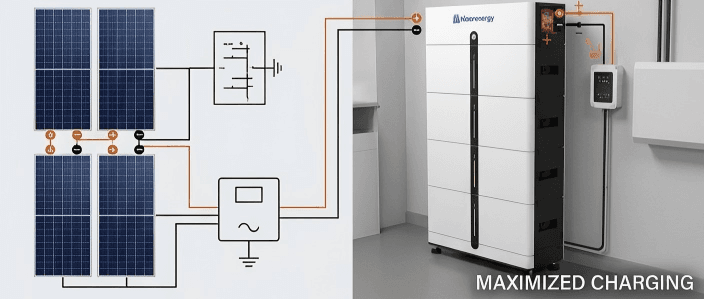
In an era where sustainability has become a pivotal aspect of daily life, solar battery storage is emerging as a revolutionary game-changer. As more homeowners and businesses transition to renewable energy, integrating efficient storage solutions has become a necessity. With a focus on home solar batteries and solar energy storage systems, these solutions are designed to store solar energy efficiently and provide energy independence. The core idea is to harness solar power, store it in a reliable battery system—such as advanced LiFePO₄ technology—and use it when needed, especially during peak demand periods or when solar production is low.
Strengthening Energy Resilience in Weak‑Grid Areas
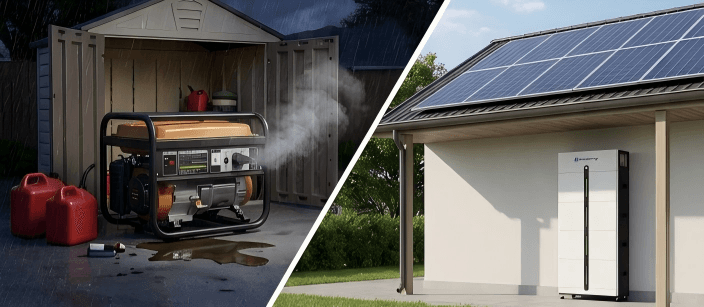
In regions where the power grid is unreliable—due to aging infrastructure, remote location, or frequent extreme weather—solar battery storage becomes more than an economic choice; it is a critical resilience tool. Unlike traditional fuel‑based generators, which require constant fuel supply and produce noise and emissions, a properly sized battery system paired with solar panels offers silent, emission‑free backup power with automatic switchover. When the grid goes down, the system seamlessly transitions to island mode, keeping essential appliances such as refrigerators, medical devices, and communication equipment running. For homeowners in hurricane‑prone areas, rural communities, or places with unstable utility service, investing in a modular energy storage system is a practical step toward energy security and peace of mind.
The Benefits of Solar Battery Systems
One of the primary benefits of adopting solar battery systems is energy independence. By incorporating home energy storage, users can significantly reduce reliance on traditional power grids—particularly vital during power outages or in areas with unstable electricity supply. Furthermore, energy storage solutions like LiFePO₄ power storage offer higher energy density, longer life cycles, and improved safety features compared to conventional alternatives. For home use, LiFePO₄ provides stability, making it a sought‑after solution for future‑proof energy management.
Ease of Installation and Scalability for Residential Use
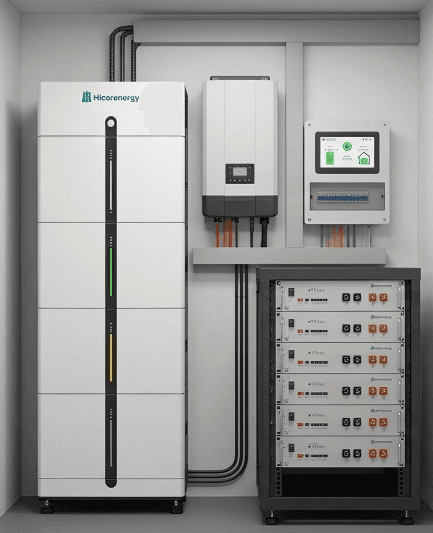
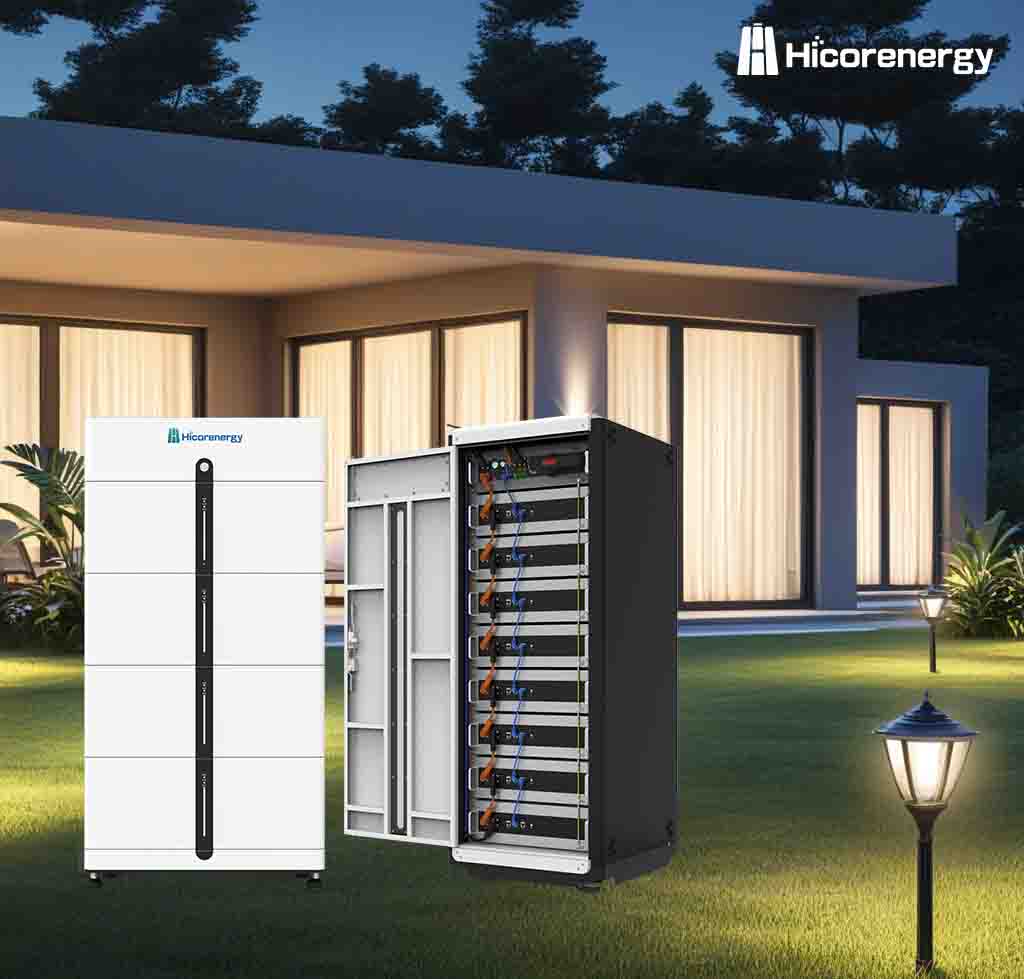
A common concern for homeowners considering energy storage is whether installation will be disruptive or overly complex. Modern modular systems address this by offering true plug‑and‑play scalability. For instance, Hicorenergy’s SI‑LV1 and I‑BOX 48100R models feature a stackable, compact design that can be wall‑mounted or floor‑stacked and integrated with existing solar arrays without major electrical overhauls. More importantly, the modular architecture allows capacity to grow with the household. A family can start with a single module to cover essential loads and later add more modules when energy needs increase—for example, after purchasing an electric vehicle or expanding the home. This flexibility reduces upfront financial pressure while future‑proofing the home against rising electricity demand.
The Role of Hicorenergy in Renewable Energy
Hicorenergy’s modular battery storage systems exemplify the pinnacle of modern energy storage. Designed with adaptability and scalability in mind, systems such as the SI‑LV1 and I‑BOX 48100R can be stacked or customized to match specific energy requirements. Beneath the elegant exterior lies advanced lithium‑ion technology that delivers superior energy density and reliability. The modular design ensures continuous power supply, seamlessly integrating with existing renewable setups like solar panels and wind turbines. As energy demands change, these battery systems can easily expand, ensuring users stay ahead in the evolving landscape of renewable energy. The digital control units offered by Hicorenergy allow effortless monitoring and management of energy flows, emphasizing user experience with intuitive interfaces.
Contact Us
Email: info@hicorpower.com
WhatsApp: +86 181-0666-3226