Why Product Certification is Crucial for Energy Storage Systems in the Residential Market
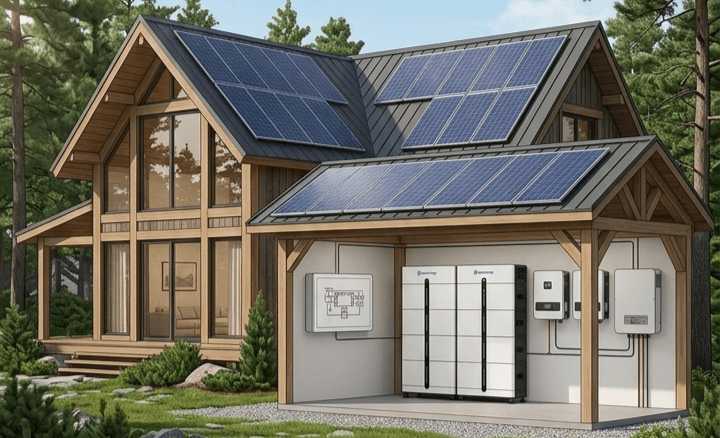
Product certification for energy storage products ensures safety, reliability, and long-term performance in residential environments. It verifies compliance with global standards, reduces installation risks, and provides homeowners with confidence that their energy storage system operates safely and efficiently.
The Role of Certifications in Ensuring Quality and Safety for Energy Storage Installations.
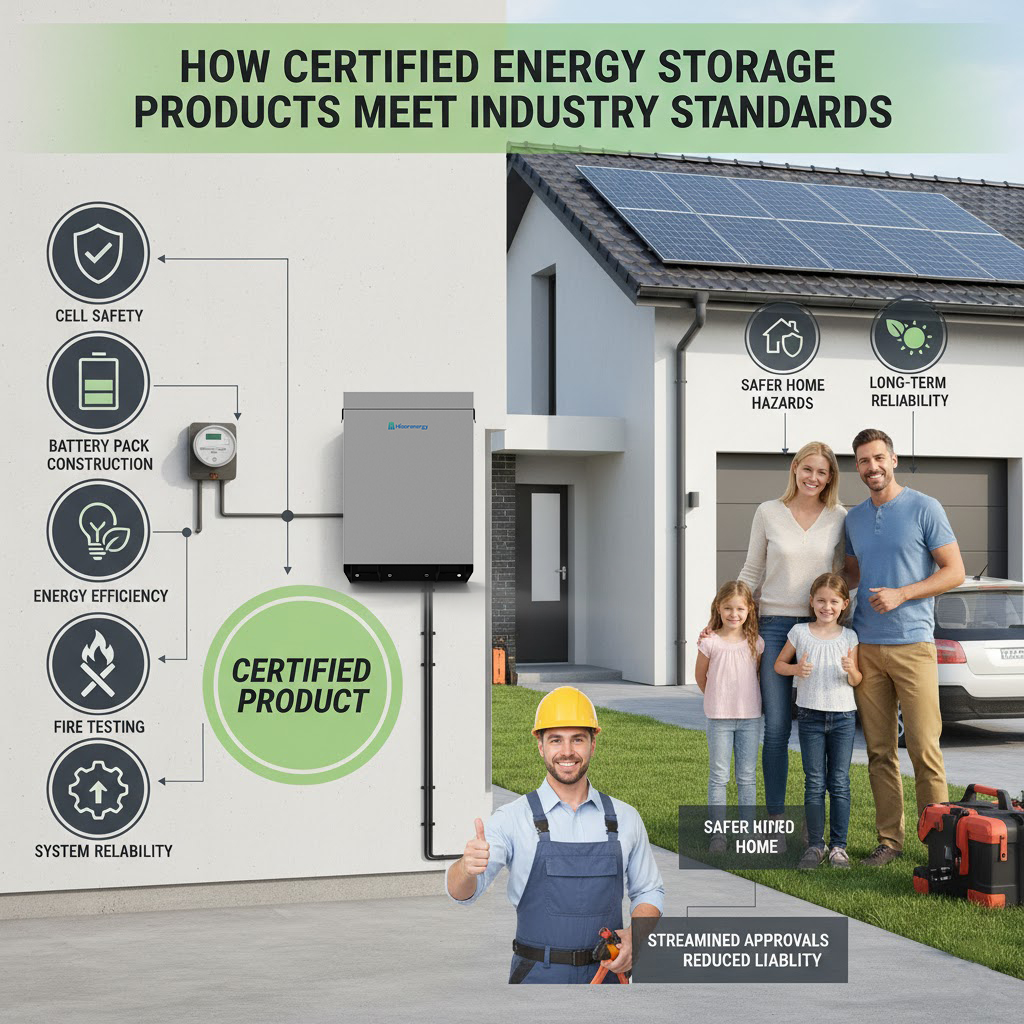
Certifications serve as an essential benchmark for guaranteeing that energy storage systems meet strict quality, safety, and performance standards. For residential installations, certified products reduce hazards such as thermal runaway, electrical faults, or compatibility issues with solar inverters and home wiring. Certification frameworks—covering cell safety, battery pack construction, energy efficiency, fire testing, and overall system reliability—help ensure that products function as intended across diverse climates and load conditions.
For installers and distributors, certifications streamline approvals, insure regulatory compliance, and reduce liability risks. As referenced by established industry leaders, certified systems create a safer and more stable environment for both homeowners and installers while supporting long-term operational reliability and reduced maintenance.
How Certified Energy Storage Products Meet Industry Standards and Regulations
Certified energy storage products comply with recognized international and regional standards, ensuring that each unit undergoes rigorous testing for safety, environmental resilience, and electrical performance. By adhering to these industry standards, certified products minimize installation challenges, meet local policy requirements, and build stronger credibility with customers and regulatory authorities.
What Distributors and Installers Need to Know About Energy Storage Product Certifications
Distributors and installers must understand that product certification for energy storage products is more than a formality—it directly affects safety, compliance, and market acceptance. Regulatory agencies in many regions now require certified battery systems for home and commercial installations, especially where strict grid-interconnection rules apply. Installers should prioritize certifications involving battery safety (such as thermal propagation prevention), inverter compatibility, environmental tolerance, and system-level fire testing.
Additionally, certified products help installers avoid costly approval delays from local authorities having jurisdiction (AHJ). Certification also reduces after-sales risks, as non-certified systems often fail prematurely or face operational instability. For distributors, properly certified storage systems reinforce brand reliability, guarantee smoother logistics, and increase appeal in international markets—especially in Africa, Southeast Asia, Europe, and North America, where regulatory standards are tightening.
Top Certifications to Look for When Choosing Energy Storage Solutions for Residential Homes
When choosing home battery systems, key certifications should include safety testing for lithium iron phosphate (LFP) cells, system-level fire testing such as UL9540A, electrical safety compliance, and inverter-compatibility standards.

The Impact of Certified Energy Storage Products on Customer Trust and Market Demand
Certified energy storage products significantly increase customer trust by demonstrating that systems have met strict safety and reliability criteria. In markets with frequent power outages or voltage fluctuations—such as Africa, Southeast Asia, and parts of Eastern Europe—homeowners and businesses prioritize certified solutions that guarantee consistent performance.
Certification directly boosts market demand because customers associate certified systems with longer lifespan, reduced maintenance, and better compatibility with solar systems. For distributors and installers, offering certified products enhances brand reputation, enables premium pricing, and reduces warranty disputes. As global regulations tighten, certified systems are becoming the market standard rather than an optional advantage.
Hicorenergy Summary
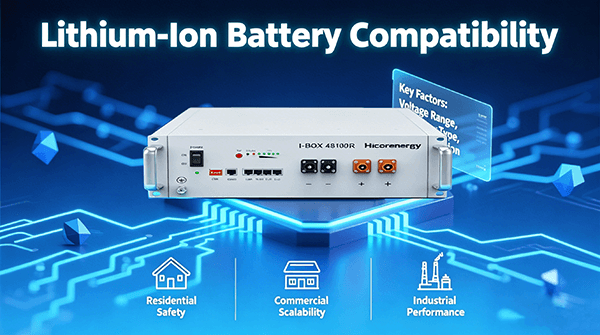
Hicorenergy’s certified energy storage solutions—including I-BOX 48100R, C5°, and Si LV1—provide safe, efficient, and high-quality options for residential and commercial applications worldwide.
Contact Hicorenergy
Email: info@hicorpower.com
WhatsApp: +86 181-0666-3226