 As power grids face increasing strain from extreme weather and aging infrastructure, finding reliable Power Outage Solutions has never been more critical. This article compares the two leading contenders for home backup—modern battery systems and traditional gas generators—to help you determine the best investment for your peace of mind.
Home Battery Backup vs. Generator: Key Differences in Fuel, Cost, and Maintenance
When evaluating Power Outage Solutions, the choice between a home battery and a gas generator often comes down to how they operate. Generators run on fossil fuels like propane or gasoline, converting chemical energy into electricity. In contrast, home batteries store energy from the grid or solar panels, releasing it silently during an outage.
Regarding cost, generators typically have a lower upfront price tag but incur ongoing fuel and maintenance expenses, including oil changes and engine tune-ups. Batteries have a higher initial investment but virtually zero fuel costs and minimal maintenance since they have no moving parts. Furthermore, batteries offer instant backup, whereas generators require a startup sequence and manual refueling, making batteries the more hands-off, modern solution for homeowners seeking seamless protection.
How Long Will a Home Battery Keep My Lights On During a Blackout?
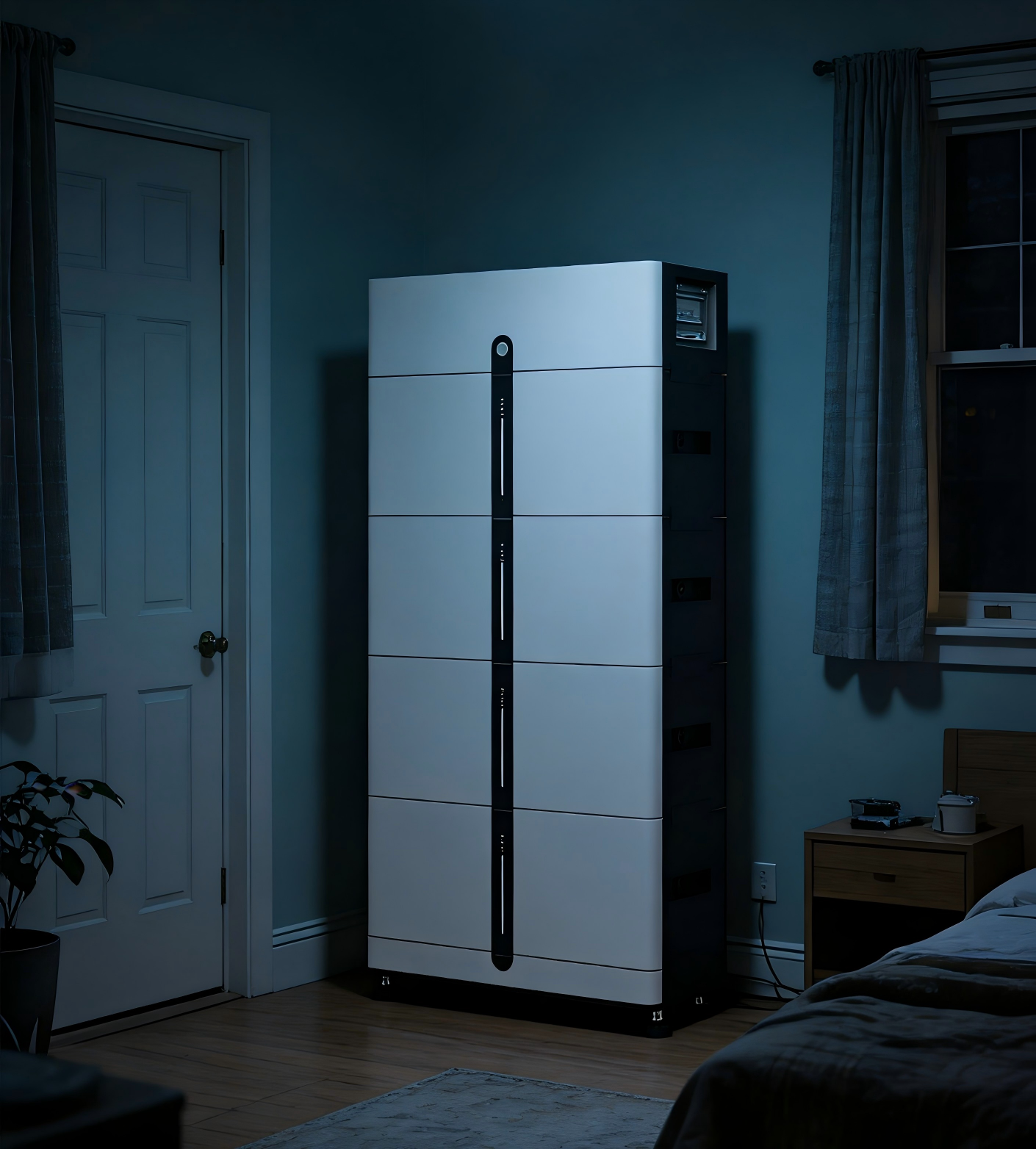
Understanding backup duration is critical when selecting Power Outage Solutions. The runtime of a home battery depends on its capacity and the household’s energy consumption. For example, a typical system can power essential appliances—lights, Wi-Fi, and refrigerators—for several hours or even days when paired with solar panels. Advanced systems like Hicorenergy’s I-BOX 48100R or SI LV1 offer scalable storage, allowing users to extend backup duration based on demand. This flexibility ensures reliable performance during outages, making battery systems a dependable choice for uninterrupted energy and encouraging further exploration into optimal solutions.
Generator Buying Guide: Fuel Types, Transfer Switches, and Installation Costs
When considering generator-based Power Outage Solutions, several factors must be evaluated carefully. Fuel type is a primary consideration: gasoline generators are widely available but less efficient for long-term use, while diesel and propane options provide better durability and storage stability. Transfer switches are another essential component, enabling safe and seamless switching between grid power and generator supply. Installation costs can vary significantly depending on system size, wiring complexity, and local regulations.
However, generators come with ongoing expenses, including fuel storage, regular servicing, and potential part replacements. Noise levels and emissions may also impact usability, especially in residential areas. While generators can deliver high power output for extended periods, their reliance on fuel supply chains can be a limitation during emergencies. For many users, these factors highlight why alternative Power Outage Solutions, such as battery systems, are gaining traction.
The Future of Home Backup: Why "Solar Plus Storage" is Gaining Popularity
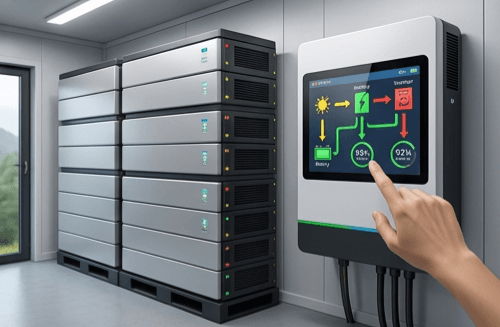
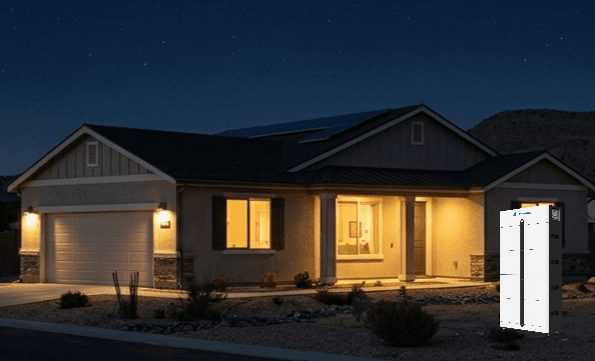
The shift toward sustainable Power Outage Solutions has accelerated the adoption of solar plus storage systems. By combining solar panels with lithium battery storage, users can generate and store their own electricity, reducing dependence on the grid. This approach not only ensures backup power during outages but also lowers electricity bills through peak shaving and energy optimization.
Hicorenergy’s solutions, such as the SI LV1 and I-BOX 48100R, demonstrate how modern battery systems deliver high efficiency, long cycle life (over 6000 cycles), and flexible scalability. With features like remote monitoring, plug-and-play installation, and compatibility with major inverters, these systems provide a seamless user experience. Additionally, integrating solar energy enhances sustainability while offering a reliable and cost-effective alternative to traditional generators. As energy independence becomes a priority, solar plus storage stands out as the future of Power Outage Solutions.
Hicorenergy provides advanced lithium battery systems designed for reliable Power Outage Solutions, including scalable residential units like SI LV1 and I-BOX 48100R, ensuring long-lasting, efficient, and safe energy storage for diverse applications.
For more information about customized Power Outage Solutions, contact:
Email: info@hicorpower.com
WhatsApp: +86 181-0666-3226