As the global energy transition accelerates, lithium battery storage has evolved far beyond traditional backup power. Today, it plays a central role in reducing electricity costs, improving grid resilience, and maximizing renewable energy utilization.
For commercial, industrial, and utility-scale users, lithium-ion battery systems are now strategic infrastructure investments. From lowering annual demand charges to stabilizing solar generation and protecting critical operations during outages, lithium battery storage is reshaping how energy is produced, stored, and consumed.
Why Lithium-ion Technology Leads the Energy Storage Market
Lithium-ion battery technology has become the dominant choice for modern energy storage due to its superior balance of performance, efficiency, and practicality.
Its key advantages include:
-
High Round-Trip Efficiency (up to 95%) – More stored energy is available for actual use, reducing losses.
-
Long Cycle Life (6000+ cycles) – Lower replacement frequency and reduced lifetime costs.
-
High Energy Density – More energy can be stored in a smaller footprint.
-
Rapid Response Time – Millisecond-level switching ensures reliable backup for critical loads.
Compared with legacy technologies such as lead-acid batteries, lithium-ion systems offer better efficiency, reduced maintenance, and significantly longer service life.
For industrial users, these benefits directly translate into:
-
Lower operating expenses
-
Higher energy independence
-
Improved business continuity
-
Stronger sustainability performance
Where Lithium Battery Storage Delivers the Greatest Value
High-Demand Manufacturing Facilities
Manufacturing operations often experience significant demand spikes caused by machinery startups, production cycles, or process loads.
Industries such as:
-
Steel production
-
Chemical processing
-
Automotive manufacturing
-
Electronics assembly
can face high demand charges from utilities.
Lithium battery storage systems help flatten demand peaks by discharging stored energy during short high-load periods, reducing electricity costs without interrupting production.
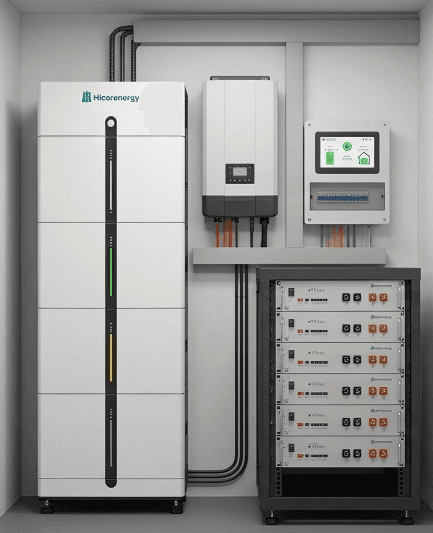
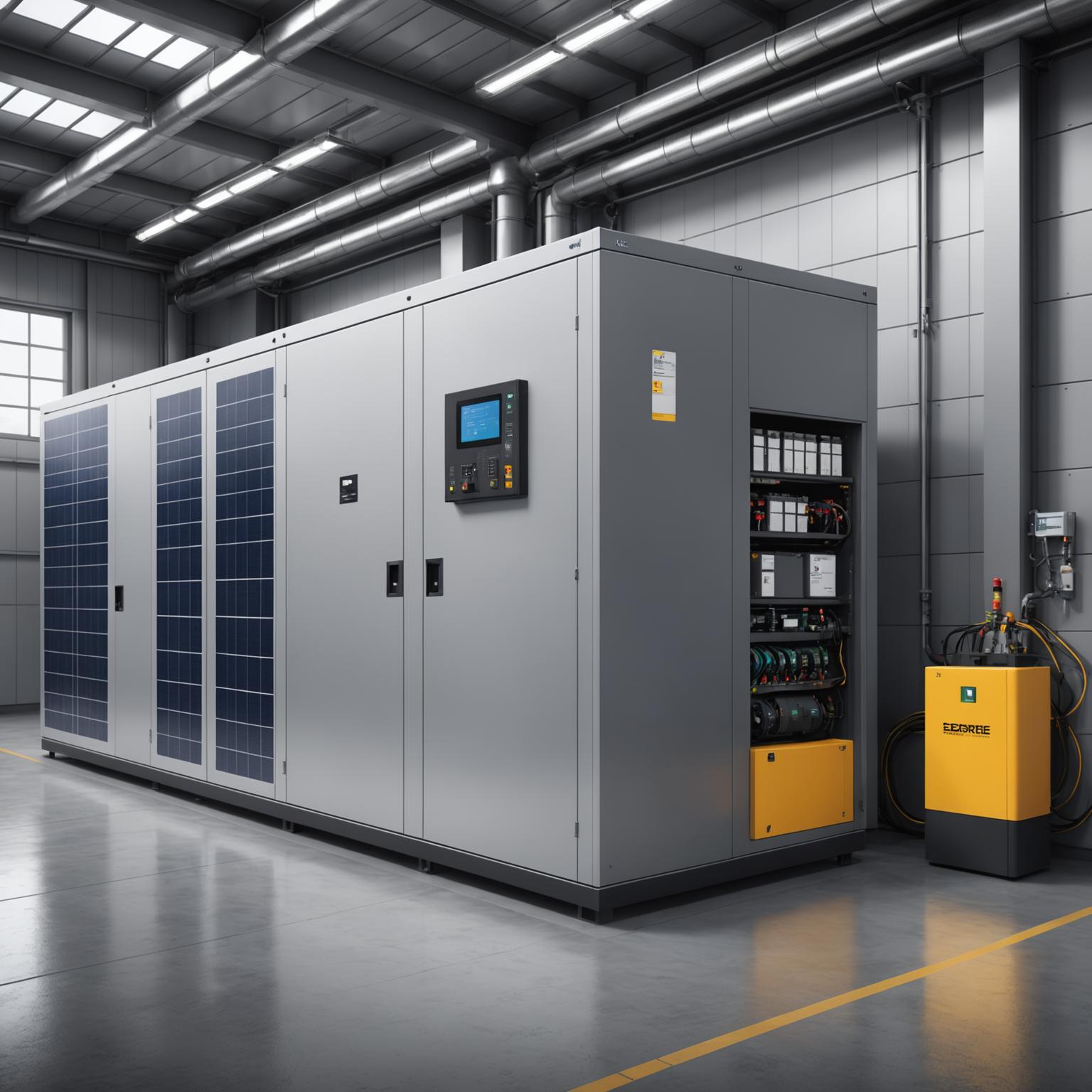
For example, Hicorenergy’s Si Station 230 liquid-cooled battery cabinet offers 230kWh integrated storage capacity with grid-tied and off-grid compatibility, making it ideal for industrial peak shaving and load management.
Its modular architecture also supports project scalability as operational demand increases.
Solar-Powered Commercial Developments
Commercial buildings increasingly integrate solar systems to offset electricity costs.
However, solar generation often peaks during periods of lower building demand.
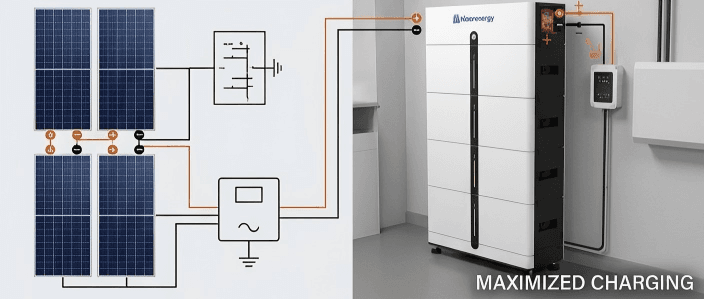
Lithium battery storage solves this mismatch by storing excess solar energy during the day and discharging it after sunset.
Applications include:
-
Shopping malls
-
Office campuses
-
Retail centers
-
Hotels
-
Mixed-use developments
This enables businesses to:
-
Improve solar self-consumption
-
Reduce grid purchases
-
Lower peak electricity expenses
Mission-Critical Data Centers and Telecom Infrastructure
Data centers, telecom facilities, and financial institutions require uninterrupted power availability.
Even brief outages can result in:
-
Data loss
-
Equipment damage
-
Service disruption
-
Revenue loss
Lithium-ion systems provide near-instantaneous backup response, protecting mission-critical infrastructure.
Their rapid switching capability ensures seamless transition during grid interruptions while maintaining operational continuity.
Advanced Battery Management Systems (BMS) also improve reliability through real-time cell monitoring and fault prevention.
Remote Industrial Sites and Microgrids
Remote operations often face limited grid access or heavy diesel dependence.
Examples include:
-
Mining operations
-
Oil and gas fields
-
Agricultural facilities
-
Island communities
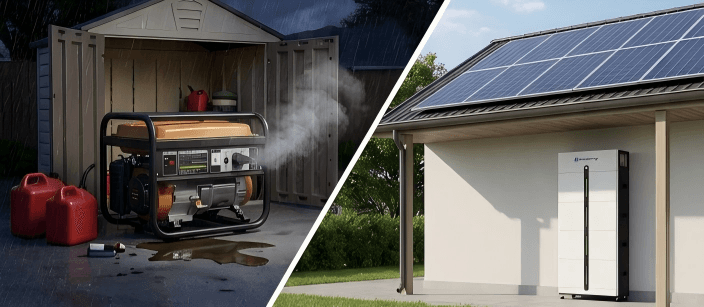
By combining lithium battery storage with solar or wind generation, operators can build resilient microgrids that reduce fuel consumption while improving energy reliability.
These systems deliver:
-
Lower fuel costs
-
Reduced carbon emissions
-
Stable power quality
-
Greater energy autonomy
This is especially valuable in regions with volatile fuel prices or weak grid infrastructure.
Cold Chain Logistics and Food Processing
Cold storage and food production facilities require stable temperature control to protect sensitive inventory.
Power outages can quickly result in:
-
Product spoilage
-
Operational downtime
-
Financial losses
Lithium battery storage provides reliable backup power for:
-
Refrigeration systems
-
Warehouse operations
-
Food processing lines
This ensures business continuity while protecting high-value goods.
Utility-Scale Renewable Energy Projects
Utility-scale solar and wind projects frequently generate excess electricity during low-demand periods.
Without storage, this energy may be curtailed or underutilized.
Lithium battery storage enables operators to:
-
Shift renewable power to peak demand hours
-
Improve frequency regulation
-
Stabilize grid output
-
Enhance PPA economics
This increases project ROI while supporting broader renewable integration goals.
Technical Advantages for Industrial and Utility Users
Lithium battery systems offer several technical benefits that make them highly attractive for large-scale deployment:
-
Scalable Modular Design – Expand capacity without major redesign
-
Advanced BMS and EMS – Intelligent monitoring, predictive maintenance, and fault prevention
-
Safe LiFePO4 Chemistry – Superior thermal stability and long lifespan
-
Harsh Environment Operation – Reliable from -20°C to 55°C
Hicorenergy’s systems are engineered for demanding environments, combining weatherproof enclosures with robust thermal management.
For distributed storage applications, solutions such as I-BOX 48100R provide over 6000 cycles and >95% efficiency, supporting stable long-term renewable integration.
Hicorenergy’s Competitive Advantages
Hicorenergy combines advanced engineering with strong project execution capabilities.
Its advantages include:
-
Global deployment experience across solar, industrial, and utility projects
-
Tier-1 LiFePO4 battery cells
-
Multi-layer safety systems and global certifications
-
98%+ operational availability
-
Full lifecycle technical support
From system design and regulatory support to commissioning and remote monitoring, Hicorenergy provides end-to-end energy storage solutions optimized for customer ROI.
Conclusion
Lithium battery storage is transforming modern energy infrastructure by improving resilience, reducing costs, and accelerating renewable integration.
Hicorenergy’s Si Station 230, I-BOX 48100R, and LiFePO4 solutions provide safe, scalable, and high-efficiency storage for commercial, industrial, and utility-scale projects worldwide.
Contact Us
Email: info@hicorpower.com
WhatsApp: +86 181-0666-3226