 Lithiumion battery sizing is essential for maximizing solar energy efficiency and reducing electricity costs. This guide explains how to calculate the right solar battery size, optimize lithium battery usable capacity, and ensure system compatibility, helping homeowners and businesses achieve reliable and cost-effective energy storage solutions.
How to Calculate the Right Solar Battery Size for Your Home
Accurate lithiumion battery sizing begins with understanding daily energy consumption and peak usage patterns. A typical method uses a solar battery size calculator to estimate how many kWh battery for home applications are required. First, calculate total daily consumption (kWh), then determine backup duration (hours or days).
For example:
-
Daily consumption: 20 kWh
-
Backup requirement: 1 day
-
Required solar battery size = 20 kWh ÷ usable capacity factor
If lithium battery usable capacity is 90%, the required system becomes approximately 22.2 kWh.
Below is a simplified reference chart for lithiumion battery sizing:
| Daily Usage (kWh) | Recommended Solar Battery Size (kWh) | Backup Duration |
|---|---|---|
| 10 | 11–12 | 1 day |
| 20 | 22–24 | 1 day |
| 30 | 33–36 | 1 day |
This calculation ensures proper lithiumion battery sizing, preventing underperformance or unnecessary overspending while optimizing energy storage ROI.
Depth of Discharge (DoD) vs. Usable Capacity
Understanding the relationship between depth of discharge and lithium battery usable capacity is crucial in lithiumion battery sizing. While lithium batteries typically allow 80–90% DoD, not all stored energy is usable in real conditions. Factors like temperature, inverter efficiency, and system losses reduce actual output.
For example, even with a 10 kWh battery, the usable energy may only be 8.5–9 kWh. This is why accurate lithiumion battery sizing must go beyond nominal capacity and consider real-world performance, encouraging users to continue optimizing system design.
Inverter Matching and Charge Controller Sizing
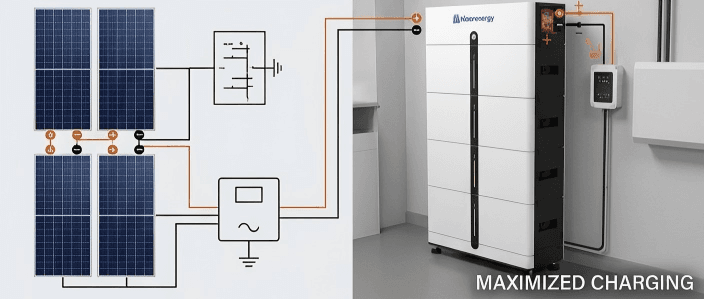
Proper lithiumion battery sizing is incomplete without matching the inverter and charge controller to the battery system. The inverter must handle both continuous and peak loads, while the charge controller regulates energy flow from solar panels to the battery.
For instance, if a home requires 5 kW peak power, selecting an inverter below this threshold can lead to system shutdowns. Similarly, incorrect charge controller sizing can reduce charging efficiency and shorten battery lifespan.
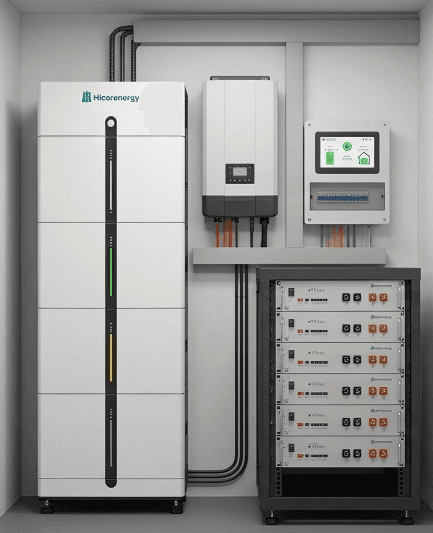
Hicorenergy’s SI LV1 modular system offers up to 14.08 kW continuous output and scalable capacity up to 30.72 kWh, making it ideal for flexible lithiumion battery sizing. Its plug-and-play design simplifies installation while ensuring compatibility with various solar setups.
Data shows that properly matched systems can improve overall efficiency by 15–20%, highlighting the importance of integrating inverter and battery specifications during lithiumion battery sizing.
Navigating UL 9540, NFPA 855, and Thermal Runaway Risks
Safety standards are a critical component of lithiumion battery sizing, especially in residential and commercial installations. Certifications such as UL 9540 and NFPA 855 define safety requirements for energy storage systems, including fire protection and system spacing.
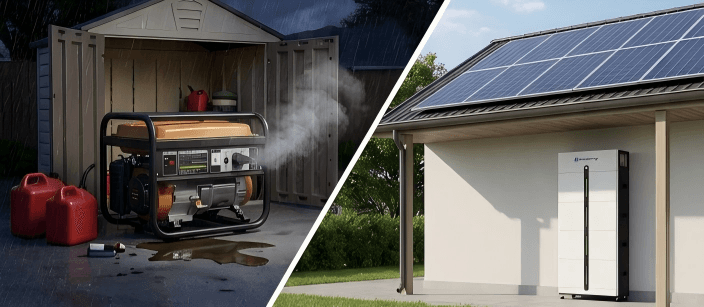
Thermal runaway remains one of the most significant risks in lithium batteries. Improper lithiumion battery sizing, poor ventilation, or low-quality components can increase the likelihood of overheating.
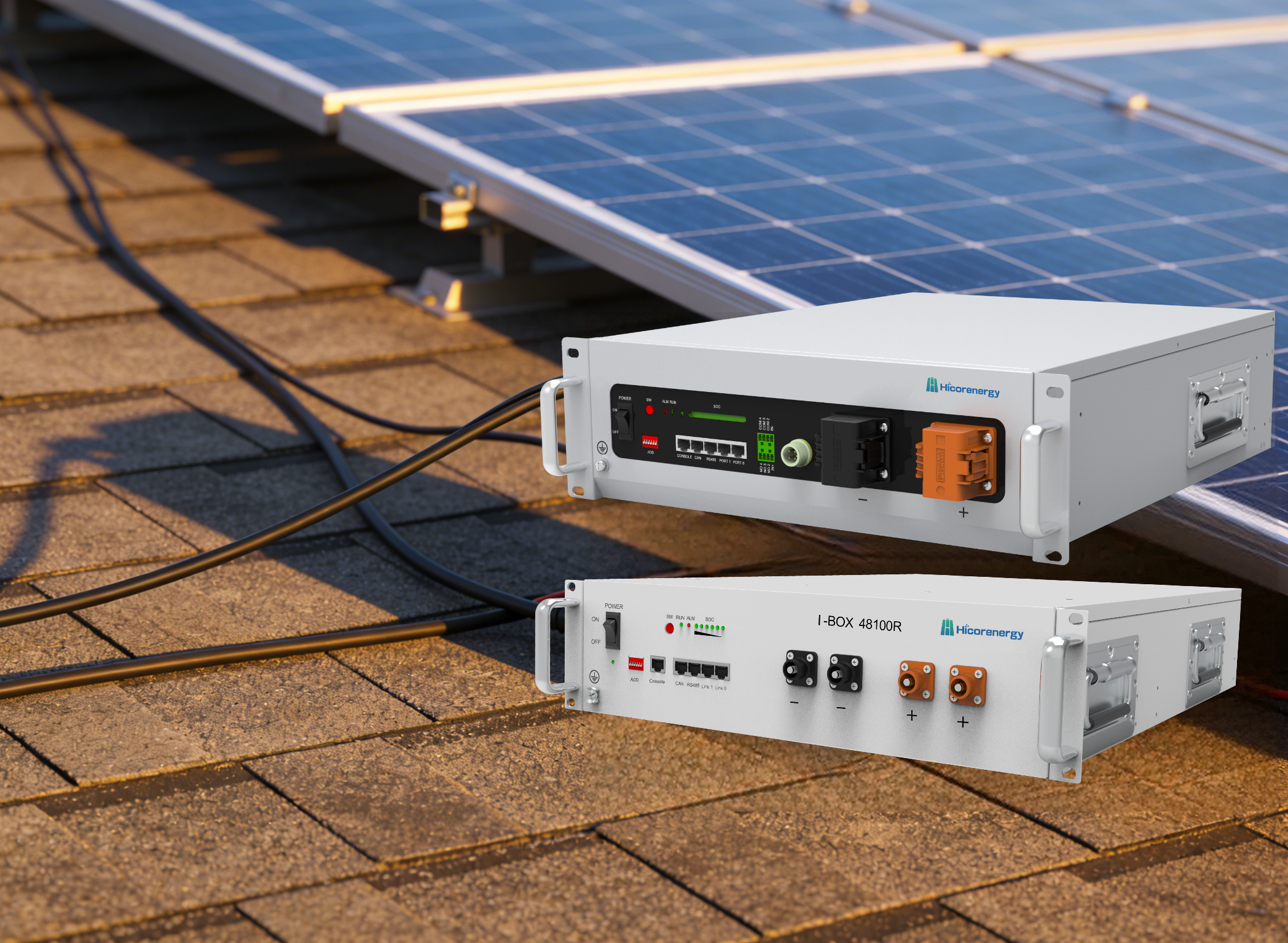
Advanced solutions like Hicorenergy’s I-BOX 48100R use automotive-grade LiFePO4 cells and dual MCU battery management systems (BMS) to ensure safety and stability. With over 6000 cycles and >95% efficiency, these systems reduce risks while maintaining high lithium battery usable capacity.
Industry data indicates that certified systems reduce failure risks by over 40%, reinforcing the importance of compliance during lithiumion battery sizing.
Hicorenergy provides high-performance lithium battery solutions with long lifespan, high efficiency, and scalable configurations, ensuring optimal lithiumion battery sizing for solar + storage systems.
For more information, please contact:
Email: info@hicorpower.com
WhatsApp: +86 181-0666-3226