Why Home Energy Saving Systems Are Essential for Modern Residential Properties
Home Energy Saving Systems help homeowners lower electricity bills, improve energy efficiency, and reduce dependence on unstable grids. These systems optimize power usage, enhance comfort, and support long-term sustainability—making them vital for modern households.
What Are 5 Ways to Save Energy at Home?
Homeowners can adopt multiple practical Home Energy Saving Systems to reduce consumption and costs.
Upgrade to LED lighting: LEDs use up to 80% less energy than traditional bulbs.
Install smart thermostats: These devices optimize heating and cooling schedules.
Use energy-efficient appliances: Modern refrigerators, air conditioners, and washing machines consume significantly less power.
Improve home insulation: Proper insulation prevents heat loss and reduces HVAC usage.
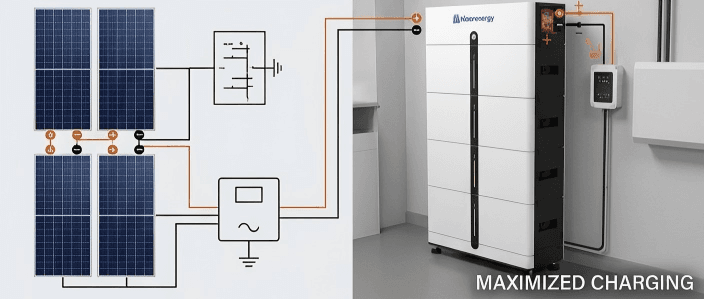
Implement solar energy solutions: Solar panels combined with battery storage provide clean energy and reduce reliance on the grid.
Together, these practices help households achieve better energy efficiency while benefiting from long-term cost savings.
How Can I Save 90% of My Electric Bill?
Achieving up to 90% savings requires combining several Home Energy Saving Systems into a complete solution. Installing solar panels paired with advanced battery storage allows homeowners to power most or all household loads using renewable energy. Adding smart devices and efficient appliances further reduces consumption, enabling substantial long-term savings while maintaining comfort.
What Are the Best Energy-Saving Devices for a Home?
The most effective Home Energy Saving Systems incorporate devices that actively reduce energy waste. Smart thermostats ensure HVAC systems operate only when needed, drastically cutting heating and cooling costs. High-efficiency appliances—especially modern refrigerators and inverter-based air conditioners—consume far less power than older models. Smart plugs allow users to control standby energy usage, while motion-sensor lighting ensures lights turn off when rooms are unoccupied. Solar energy systems equipped with lithium battery storage provide the strongest long-term savings by generating clean power onsite. Together, these technologies create a comprehensive energy-saving environment that benefits both comfort and cost-efficiency.
What Is the Most Energy-Wasting Device in the Home?
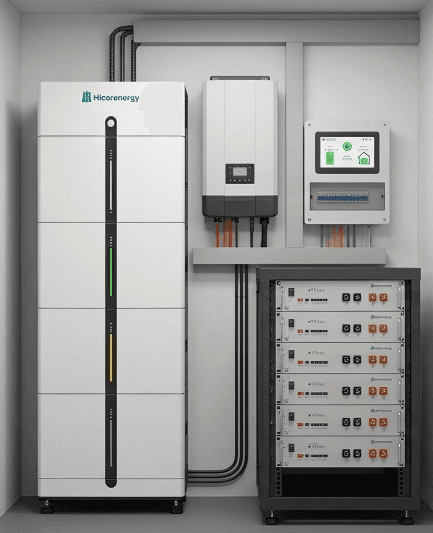
Among household appliances, air conditioners and water heaters commonly consume the most electricity due to frequent and high-power operation. Inefficient heating and cooling systems create substantial energy waste, particularly in regions with extreme weather conditions. To address this, Hicorenergy offers advanced lithium battery Home Energy Saving Systems—including the I-BOX 48100R and the C5° series—designed to support solar integration, reduce grid dependence, and supply stable power to high-load appliances. These storage solutions help homeowners shift usage away from peak hours, optimize solar consumption, and significantly cut electricity expenses. By combining efficient appliances with reliable storage, users can dramatically reduce energy waste.
How Distributors and Installers Can Benefit from Offering Home Energy Saving Systems
Distributors and installers can significantly expand their market potential by providing Home Energy Saving Systems. With rising global demand for solar storage solutions, installers gain recurring revenue from system design, installation, and service contracts. Distributors benefit from stocking reliable, scalable products that appeal to both homeowners and commercial buyers. Hicorenergy’s wide product portfolio—ranging from residential batteries to C&I storage systems—ensures partners can offer solutions that meet diverse customer needs. Reliable supply chains, global certifications, and strong after-sales support further strengthen profitability and customer trust.
Understanding the Return on Investment (ROI) for Home Energy Saving System Installations
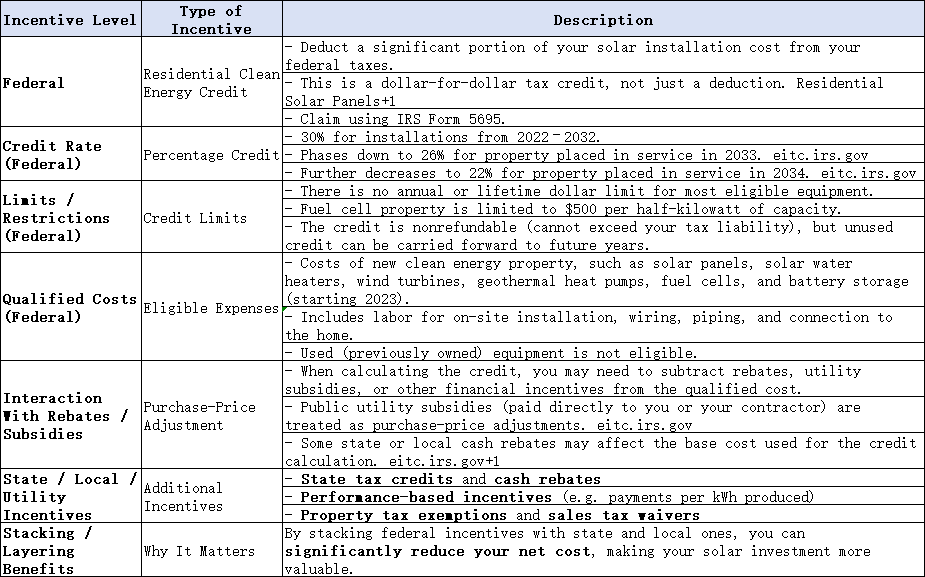
(eitc.irs.gov)
Conclusion
Hicorenergy offers safe, efficient, and long-lasting Home Energy Saving Systems—from residential lithium batteries to smart energy solutions—empowering homeowners to reduce costs and enhance reliability.
Contact us via Email: info@hicorpower.com or WhatsApp: +86 181-0666-3226