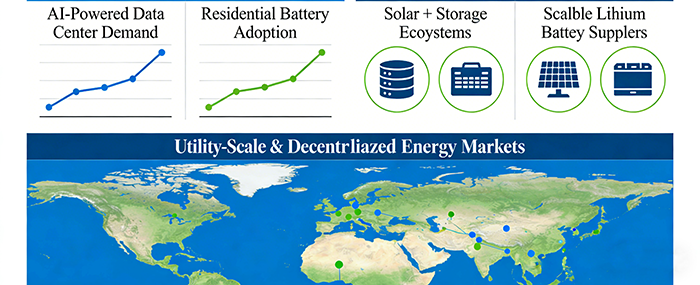
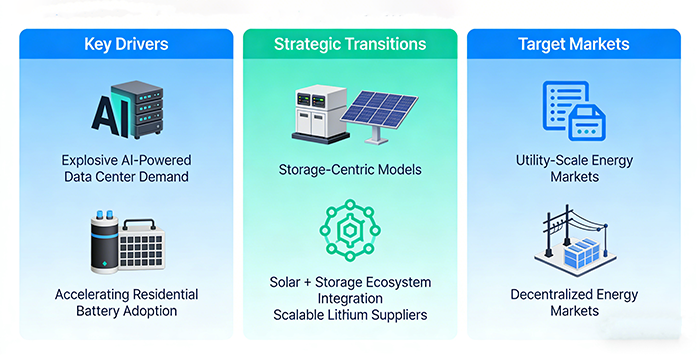
The global energy storage distribution landscape is undergoing a structural shift in 2026, driven by explosive AI-powered data center demand and accelerating residential battery adoption. Distributors who transition to storage-centric models, integrate solar + storage ecosystems, and align with scalable lithium battery suppliers will capture emerging opportunities in both utility-scale and decentralized energy markets.
AI Data Center Energy Demand Is Reshaping the Global Energy Storage Supply Chain
The rapid expansion of AI-powered infrastructure is placing unprecedented pressure on global electricity systems. Hyperscale data centers now require continuous, high-density power, driving demand for large-scale energy storage solutions to ensure grid stability and uptime. This shift is transforming energy storage distribution from a fragmented supply chain into a more centralized, technology-driven ecosystem. Distributors must now adapt to higher technical standards, faster delivery cycles, and integrated energy solutions. As AI workloads grow, energy storage is no longer optional—it is becoming a core infrastructure component, reshaping procurement strategies and supplier relationships worldwide.
Residential Energy Storage Market Growth: Solar + Battery Adoption Accelerates Globally
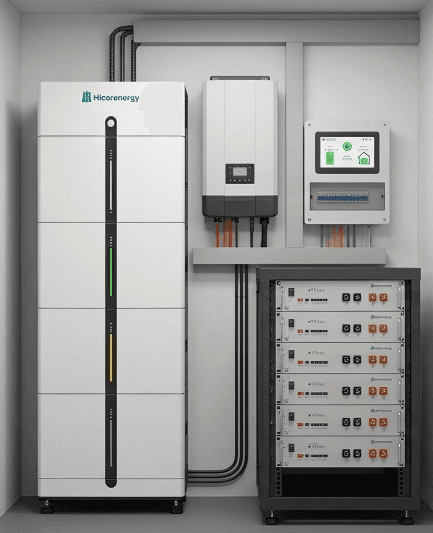
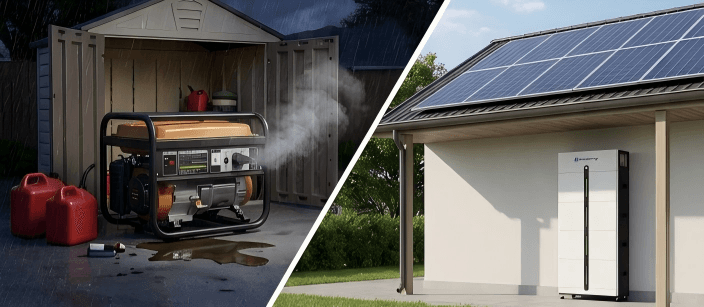
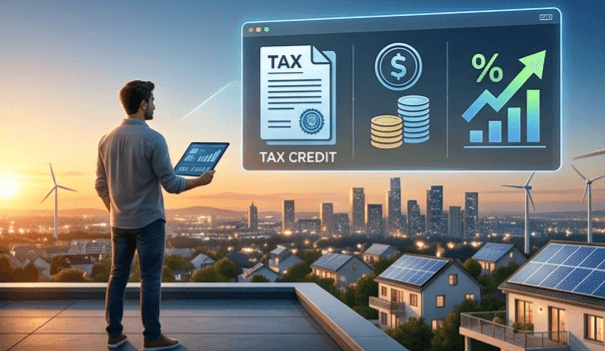
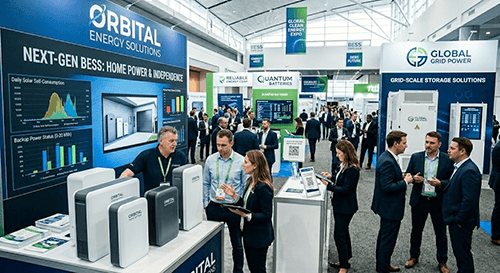
At the same time, the residential sector is experiencing rapid growth in solar + storage adoption. Rising electricity costs, grid instability, and policy incentives are pushing homeowners toward energy independence. According to industry trends reflected by platforms like hicorpower.com, integrated home battery systems are becoming standard in both developed and emerging markets. Modern lithium-ion solutions offer long lifecycle performance, remote monitoring, and flexible installation, making them increasingly attractive. This surge is expanding the role of energy storage distribution networks, requiring distributors to serve not only industrial clients but also installers, EPCs, and residential consumers with scalable and reliable solutions.
Dual Demand Drivers: AI Computing Power vs. Home Energy Independence
These two powerful forces—AI-driven energy demand and residential energy independence—are converging to redefine the market. On one side, large-scale infrastructure requires high-capacity, centralized storage systems; on the other, millions of households are adopting decentralized battery solutions. This dual demand is accelerating innovation while also increasing complexity in energy storage distribution. Distributors who can bridge both markets—offering diversified product portfolios and technical expertise—will be better positioned to thrive. Understanding how to balance these segments is critical for long-term growth in the AI-powered & residential battery boom.
Channel Transformation: Why Traditional Energy Distributors Must Shift to Storage-Centric Models
Traditional energy distributors focused primarily on electrical components or fossil-fuel-related products are now facing a fundamental transformation. The rise of energy storage distribution requires a shift toward integrated solutions that combine batteries, inverters, and smart energy management systems. This transition is not optional; it is essential for survival in a market increasingly dominated by clean energy technologies.
Distributors must develop technical capabilities to support system design, installation, and after-sales service. Customers are no longer purchasing standalone products—they are investing in complete energy ecosystems. This means distributors need to collaborate closely with manufacturers, ensure product compatibility, and provide value-added services such as remote monitoring and maintenance support.
Furthermore, storage-centric models demand stronger supply chain resilience. With growing global demand, distributors must secure stable partnerships with reliable manufacturers who can guarantee consistent quality and timely delivery. Those who fail to adapt risk losing relevance as the market shifts toward integrated, intelligent energy solutions.
High-Growth Opportunities for Installers and Distributors in Solar + Storage Ecosystems
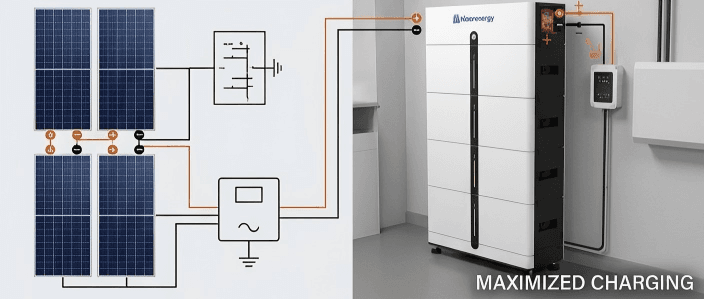
The integration of solar and battery storage is creating high-growth opportunities across the value chain. Installers and distributors are uniquely positioned to benefit from this trend by offering bundled solutions that address both energy generation and storage needs. This approach not only increases revenue per project but also enhances customer loyalty.
In emerging markets, where grid reliability is often a challenge, solar + storage systems provide a compelling alternative to traditional power sources. Distributors can tap into this demand by offering cost-effective, scalable lithium battery solutions tailored to local conditions. In developed markets, the focus shifts toward energy optimization, peak shaving, and participation in virtual power plants.
Additionally, digitalization is playing a key role. Advanced monitoring platforms enable real-time performance tracking, predictive maintenance, and remote upgrades. Distributors who integrate these capabilities into their offerings can differentiate themselves in a competitive market. The energy storage distribution sector is no longer just about supplying hardware—it is about delivering intelligent, connected energy solutions.
Strategic Playbook for 2026: How Energy Storage Distributors Can Capture Market Share in the AI Era
To succeed in 2026, distributors must adopt a strategic approach that aligns with the evolving demands of the AI-powered & residential battery boom. First, partnering with experienced manufacturers like Hicorenergy is critical. With over 20 years of industry expertise and a global production and service network, Hicorenergy provides reliable lithium battery solutions designed for both residential and commercial applications .
Its product portfolio includes advanced residential systems such as the I-BOX 48100R, offering over 6000 cycles, high efficiency, and broad inverter compatibility, as well as modular solutions like Si LV1, which enable rapid installation and flexible scalability. For commercial and industrial applications, systems like the Si Station series deliver high-capacity, integrated energy storage tailored to grid and renewable energy projects.
Second, distributors should focus on localization. Fast delivery, local technical support, and responsive after-sales service are key differentiators in competitive markets. Hicorenergy’s global presence—including offices and factories across Asia, Europe, and North America—supports this requirement.
Finally, embracing digital tools and smart energy management systems will enhance competitiveness. By combining high-quality products with intelligent services, distributors can position themselves as comprehensive solution providers rather than simple product suppliers.
Conclusion
The transformation of energy storage distribution in 2026 is driven by AI infrastructure and residential demand. With advanced, scalable, and reliable solutions from Hicorenergy, distributors can successfully capture opportunities in the AI-powered & residential battery boom while delivering long-term value.
Contact us today to accelerate your energy storage business:
Email: info@hicorpower.com
WhatsApp: +86 181-0666-3226