The Battery Rebate Boom is driving unprecedented demand for residential and commercial energy storage, pushing installer schedules months ahead. Federal and state incentives are accelerating adoption, creating both opportunity and strain across the supply chain. Distributors and installers who adapt quickly—through smarter inventory, workforce expansion, and scalable solutions—can convert short-term rebate momentum into long-term market leadership.
Understanding Battery Rebate Programs: A Guide to Federal and State and Australian Incentives
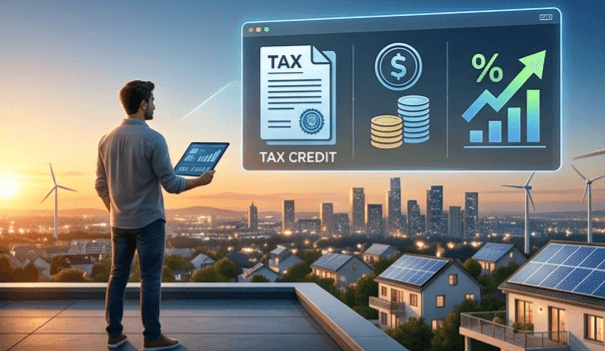
Battery rebate programs are the primary catalyst behind the current Battery Rebate Boom. In the U.S., federal incentives such as the Investment Tax Credit (ITC) now extend to standalone energy storage systems, reducing upfront costs for homeowners and businesses. At the state level, programs vary widely, offering direct rebates, performance-based incentives, or utility-backed credits. These layered incentives significantly improve project ROI, prompting customers to move faster—and in larger volumes—than the industry has previously experienced.
Similarly, in Australia, a combination of national and state-based incentives is driving rapid adoption. The national Small-scale Technology Certificates (STCs) scheme provides an upfront point-of-sale discount on eligible battery systems, effectively lowering the purchase price. More impactful are the various state-level battery rebate and loan programs, such as Victoria’s Solar Homes Battery Rebate, New South Wales’ Empowering Homes loan program, and South Australia’s Home Battery Scheme. These initiatives often combine rebates with low-interest loans, making battery storage financially accessible to a broader demographic. This robust incentive landscape, coupled with high electricity prices and a desire for energy independence, has created a parallel surge in demand, contributing to the global supply and installation capacity crunch.
The Data Behind the Surge: Residential & Commercial Energy Storage Market Trends
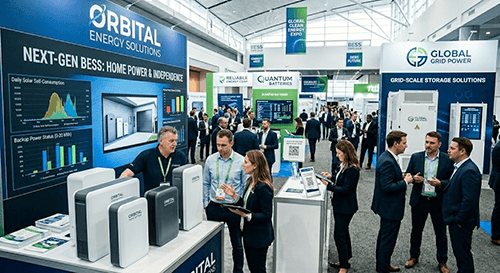
Market data confirms that the Battery Rebate Boom is not a temporary spike. Residential storage adoption continues to grow alongside rooftop solar, while commercial and industrial users increasingly deploy batteries for peak shaving, backup power, and energy cost optimization. According to industry insights published on hicorpower.com, demand for modular, scalable battery systems is accelerating as customers seek flexible solutions that can expand over time. This dual-market growth is stretching existing installation capacity and reshaping distributor procurement strategies.
The Installation Bottleneck: Analyzing Supply Chain and Labor Shortages
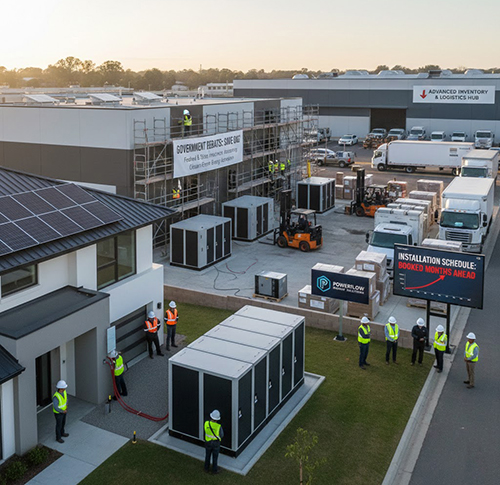
Despite strong demand, the Battery Rebate Boom has exposed critical bottlenecks. Installers face technician shortages, longer permitting timelines, and inconsistent equipment availability. Distributors, meanwhile, must manage fluctuating lead times and unpredictable order volumes. This imbalance between demand and delivery creates frustration—but also opportunity. Companies that streamline logistics, standardize product offerings, and support installer efficiency can become preferred partners in an increasingly crowded market.
Strategic Playbook for Distributors: Inventory Management and Supply Chain Solutions
For distributors, surviving—and thriving—in the Battery Rebate Boom requires a shift from reactive to predictive inventory management. High-turnover SKUs such as modular battery packs, hybrid inverters, and standardized accessories should be stocked based on rebate cycles and regional incentive timelines. Building closer relationships with manufacturers ensures priority allocation during peak demand. Additionally, offering bundled solutions simplifies purchasing for installers, reduces order fragmentation, and improves fulfillment speed. Distributors who position themselves as logistics partners rather than product resellers gain long-term loyalty and higher margins.
Maximizing Capacity for Installers: Training, Certification, and Process Optimization
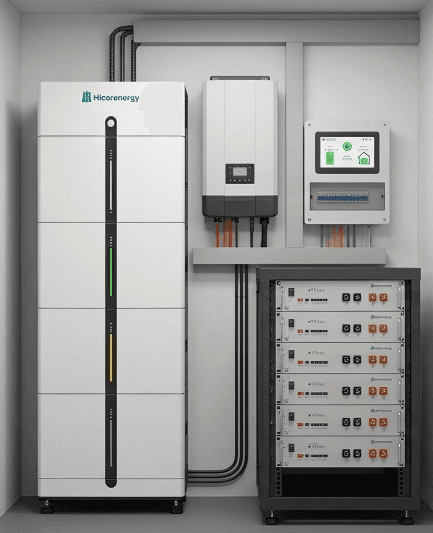
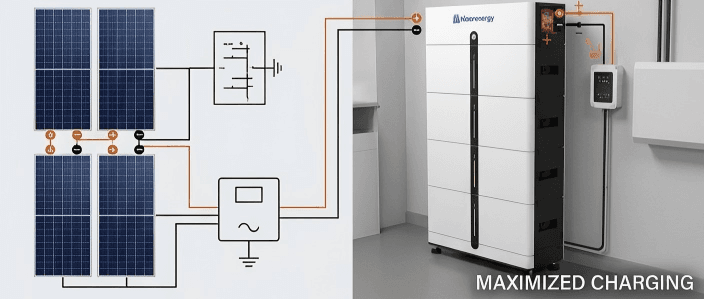
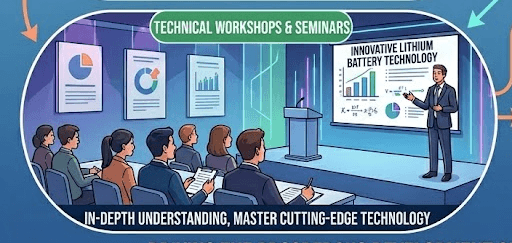
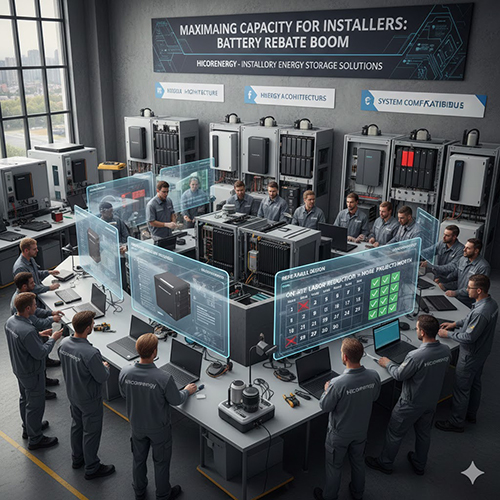
Installers booked until May must focus on capacity expansion without sacrificing quality. Standardized installation processes, pre-configured systems, and repeatable designs significantly reduce on-site labor hours. Training and certification programs allow teams to scale faster while maintaining compliance. Hicorenergy products are designed with installer efficiency in mind—featuring modular architectures, clear system compatibility, and simplified commissioning. By adopting installer-friendly energy storage solutions, contractors can complete more projects per month and fully capitalize on the Battery Rebate Boom.
Beyond the Rebate: Long-Term Outlook for the Energy Storage Industry
While rebates are driving today’s surge, long-term growth in energy storage is supported by grid instability, rising electricity costs, and increasing electrification. The Battery Rebate Boom is accelerating customer education and market maturity, creating a larger installed base that will require future expansion, upgrades, and service. Distributors and installers who establish strong brands now will benefit from recurring demand long after incentives decline. Energy storage is shifting from optional add-on to core infrastructure.
Final Thoughts
The Battery Rebate Boom is a powerful growth engine. With scalable hicorenergy products, smart inventory strategies, and optimized installation workflows, distributors and installers can turn today’s backlog into tomorrow’s market dominance.
Contact us to explore partnership opportunities: