Lithium batteries have become the preferred choice for residential energy storage and grid energy storage due to their longer lifespan, higher efficiency, and declining costs. Compared to traditional options like lead-acid, lithium solutions offer better performance, lower maintenance, and stronger long-term value, making them increasingly dominant in modern energy storage applications.
Lithium Battery Cycle Life vs. Lead-Acid: How Many Years Does a Lithium Battery Really Last?
When comparing lithium battery vs lead acid technologies, the most significant advantage lies in lifespan and performance stability. Lead-acid batteries typically last 3–5 years, while lithium batteries—especially LiFePO4 types—can last 10–20 years depending on usage conditions. In residential energy storage systems, this translates into fewer replacements and lower total ownership costs. A high-quality 20kWh lithium battery system can deliver thousands of cycles with minimal degradation, making it ideal for both home and grid energy storage applications.
Lithium Iron Phosphate vs. Sodium-Ion vs. Flow Battery: Which Battery Chemistry Is Best for Energy Storage?
Lithium Iron Phosphate vs. Sodium-Ion vs. Flow Battery: Which Battery Chemistry Is Best for Energy Storage? This comparison highlights the growing diversity in battery technologies, each with unique strengths. While lithium iron phosphate dominates residential energy storage due to safety and longevity, sodium-ion is emerging as a lower-cost alternative, and flow batteries excel in large-scale grid energy storage. Understanding these differences is essential for choosing the right system, and it sets the stage for a deeper look into why lithium continues to lead in most real-world applications.
Lithium Battery Degradation and Calendar Aging: What Happens to Lithium Batteries During Long-Term Storage?
Lithium battery degradation occurs gradually over time due to both cycling and calendar aging. However, compared to other chemistries, lithium batteries degrade at a much slower rate. Even when not in active use, a well-designed lithium battery retains most of its capacity for years, making it highly suitable for backup power and residential energy storage systems.
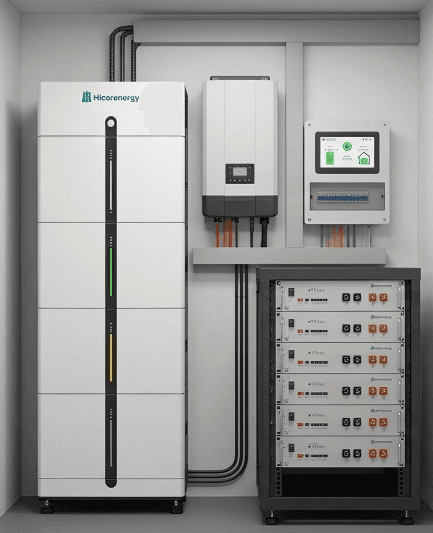
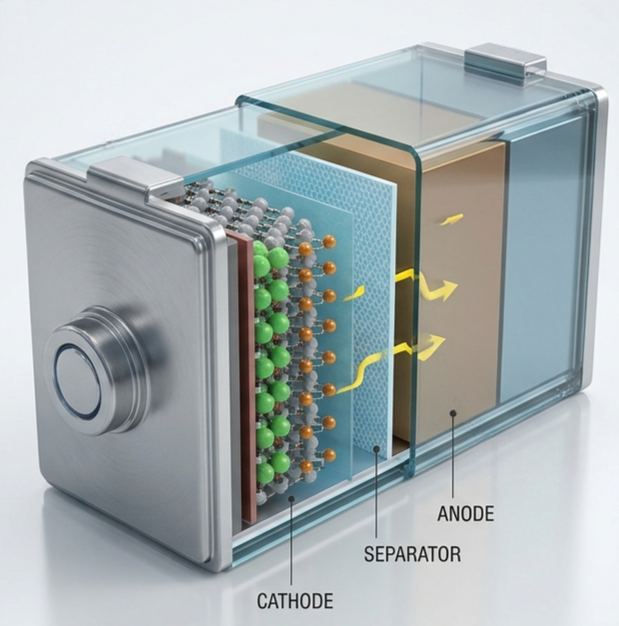
One key factor is the advanced Battery Management System (BMS), which regulates charge and discharge cycles, temperature, and voltage. This significantly reduces stress on the battery and extends its usable life. For example, Hicorenergy’s I-BOX 48100R incorporates dual MCU protection and high-quality LiFePO4 cells, achieving over 6000 cycles at 90% depth of discharge. This ensures long-term reliability for both home and grid energy storage applications.
In addition, lithium batteries require minimal maintenance compared to lead-acid systems. There is no need for regular watering or equalization charging, which simplifies operation and reduces maintenance costs. These advantages make lithium batteries particularly attractive for users seeking a stable, low-maintenance solution for long-term energy storage.
Lithium Battery Cost per kWh 2025: Are Lithium Batteries Becoming Cheaper Than Lead-Acid for Long-Term Use?
The cost of lithium batteries has decreased significantly over the past decade, and by 2025, they are becoming increasingly competitive with lead-acid batteries—even in terms of upfront cost. When evaluating lithium battery vs lead acid options, it is important to consider not only initial pricing but also lifetime cost per kWh.
Lithium batteries offer higher efficiency (often above 95%), deeper discharge capability, and longer lifespan. This means that over time, users get more usable energy from a single system. For example, a 20kWh lithium battery can deliver far more total energy over its lifetime than an equivalent lead-acid system, effectively lowering the cost per kWh.
Hicorenergy’s SI LV1 system is a strong example of how modern lithium solutions are designed for cost efficiency and scalability. With a modular structure and plug-and-play installation, it reduces both upfront and installation costs. Its ability to scale up to over 100 kWh makes it suitable for expanding residential energy storage or even small-scale grid energy storage projects.
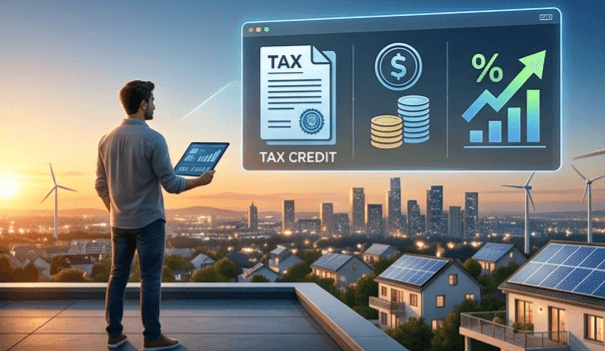
Additionally, government incentives such as the solar battery tax credit in many regions further improve the return on investment. As policies continue to support clean energy adoption, the best time to invest in lithium battery systems is increasingly now.
Hicorenergy provides advanced lithium battery solutions with high safety, long lifespan, and flexible scalability, supporting residential and commercial energy storage needs worldwide.
For more information, please contact:
Email: info@hicorpower.com
WhatsApp: +86 181-0666-3226