Proper site selection for energy storage battery installation requires evaluating space, safety conditions, environmental suitability, and regulatory compliance to ensure long-term system performance. This summary outlines the core factors distributors and installers must assess before choosing an installation location.
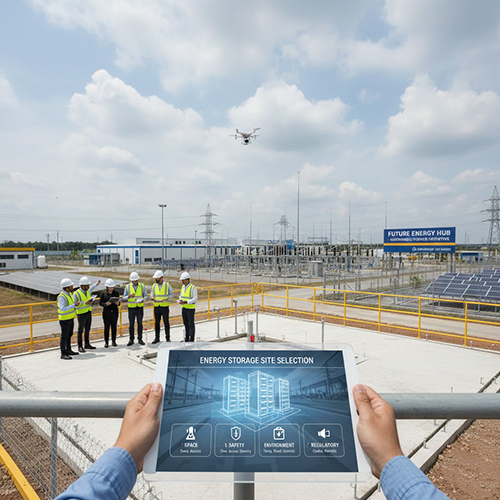
Why Site Selection is Crucial for Energy Storage Battery Installation
Selecting the right installation site directly affects system performance, safety, and lifespan. A well-chosen site minimizes environmental risks, supports efficient heat dissipation, and ensures smooth operation of both residential and C&I energy storage solutions. Distributors and installers must therefore evaluate structural conditions, accessibility, and local regulations before deployment.
Key Factors to Consider When Choosing a Site for Battery Installation
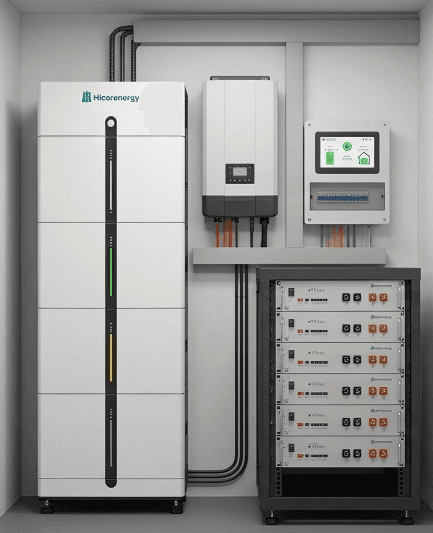
Several essential parameters determine whether a site is suitable for energy storage battery installation. Adequate ventilation is critical, especially for lithium-based systems that require temperature stability. Installers must evaluate structural load capacity, cable pathways, inverter proximity, and system layout to ensure safety and ease of maintenance. Accessibility matters for routine inspections and emergency service, while choosing an area with minimal exposure to moisture, dust, or direct sunlight preserves system performance. For commercial and industrial sites, considerations include available floor space, thermal management, electrical integration, and compliance with building requirements. Ensuring compatibility with existing power infrastructure also prevents operational disruptions and simplifies installation planning.
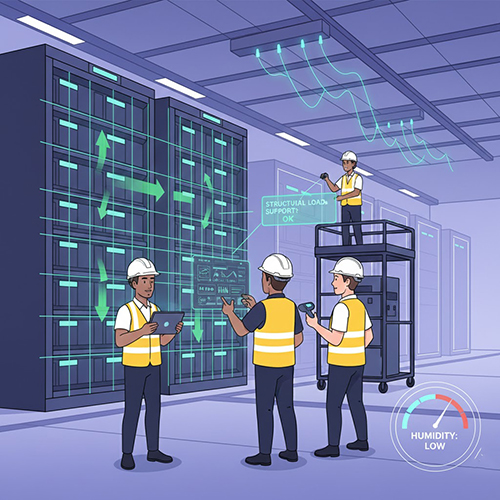
How to Evaluate Site Conditions for Optimal Performance
Assessing site conditions involves conducting temperature checks, verifying airflow, confirming structural support, and evaluating electrical connection points. Installers should analyze environmental risks, including humidity and dust levels, and consider future expansion needs. A thorough evaluation reduces installation challenges and leads to more reliable long-term operation.
Compliance and Safety Standards in Site Selection
Compliance is a mandatory aspect of selecting an appropriate site for energy storage battery installation. Installers must adhere to electrical codes, fire safety guidelines, ventilation requirements, and local permitting standards. High-voltage systems must meet stringent spacing and isolation rules, while residential environments require additional protections to safeguard homeowners. Industrial locations often demand adherence to grid-connection rules, grounding requirements, and equipment accessibility standards. Certifications such as UL, CE, and grid compliance listings must be reviewed prior to installation. Proper adherence not only ensures safe operation but also minimizes legal and operational risks for distributors and clients.
How Environmental Conditions Impact Energy Storage Systems
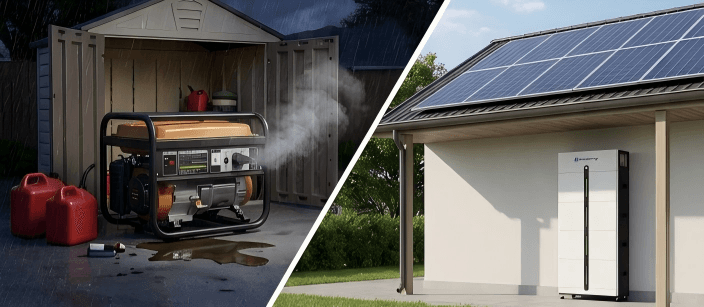
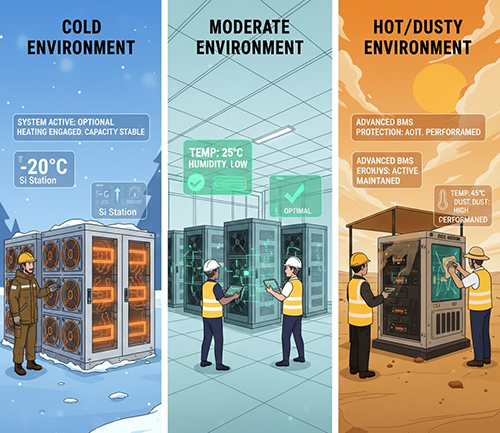
Environmental conditions significantly influence system efficiency, performance, and longevity. Temperature fluctuations are among the most critical factors, as extreme heat or cold can reduce battery capacity and accelerate degradation. Hicorenergy’s product lineup—including the I-BOX 48100R, C5°, Si LV1, SHV48100, and Si Station series—is engineered with wide operating temperature ranges, advanced BMS protection, and optional heating systems for cold environments. These systems maintain high efficiency even in challenging climates, making correct site selection essential to maximizing their capabilities. Installers should choose locations with stable temperatures, low humidity, and minimal dust to ensure reliable operation across residential, commercial, and industrial environments.
Long-Term Considerations for Energy Storage Battery Site Selection
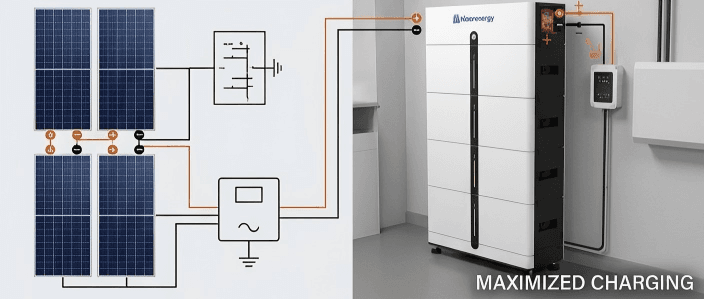
Long-term planning ensures that the installation site remains suitable throughout the system’s operational life. Installers must account for potential expansion, maintenance access, and evolving energy consumption patterns. Locations should allow for additional battery modules, upgraded inverters, or integration with solar PV systems. Structural durability, electrical load capacity, and local development plans must also be considered to avoid relocation or costly modifications in the future. By anticipating changes early, distributors and installers can ensure that clients benefit from continuous, stable, and safe system performance.
In summary, choosing the right site ensures safe, efficient, and durable energy storage battery installations, with Hicorenergy offering flexible and reliable solutions for diverse environments.
Contact: info@hicorpower.com | WhatsApp: +86 181-0666-3226