Introduction to Liquid-Cooled Battery Cabinets
As large-scale energy storage demands continue to expand, ensuring system efficiency, safety, and reliability has become increasingly critical. Liquid-cooled battery cabinets have emerged as a superior solution to overcome the limitations of traditional air-cooled systems.
By providing advanced thermal management, liquid cooling enables energy storage systems to handle high power loads while maintaining optimal performance, making it ideal for commercial and industrial applications with demanding operating conditions.
What Makes Liquid Cooling Different from Traditional Systems
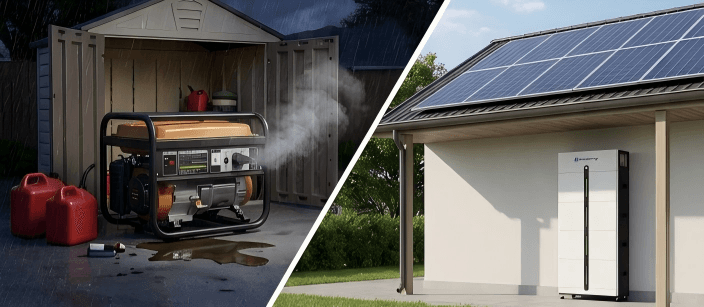
Conventional battery cabinets typically rely on air cooling to regulate temperature. However, as system capacity and power density increase, air cooling often struggles to dissipate heat effectively. Liquid cooling addresses these challenges through more efficient heat transfer mechanisms.
Key advantages include:
-
Superior Heat Dissipation: Liquid coolants absorb and transfer heat more efficiently than air, maintaining stable operating temperatures even under heavy loads
-
Uniform Temperature Control: Consistent cooling across all battery cells prevents hot spots and improves overall system performance
-
Compact Design: Higher energy density can be achieved within a smaller footprint, making it ideal for space-constrained installations
Advantages of Liquid Cooling in High-Power Applications
1. Enhanced Battery Lifespan
Excessive heat accelerates battery degradation and reduces cycle life. Liquid cooling systems actively regulate temperature, keeping batteries within optimal operating ranges and extending lifespan—often significantly compared to air-cooled alternatives.
2. Higher Efficiency Under Load
In high-demand environments, air-cooled systems may struggle to maintain performance. Liquid cooling ensures efficient heat removal during peak loads, allowing batteries to operate at maximum efficiency with minimal energy loss.
3. Improved Safety and Risk Mitigation
Thermal runaway is a major concern in high-capacity systems. Liquid cooling provides precise temperature control at the cell level, reducing the risk of overheating. Redundant cooling loops further enhance system safety, ensuring continuous operation even in critical scenarios.
Ideal Applications for Liquid-Cooled Battery Systems
Liquid-cooled battery cabinets are best suited for environments that require high performance, stability, and efficiency:
-
Large-Scale Solar Farms: Efficiently store and discharge large volumes of energy while maintaining consistent performance
-
Industrial Backup Power Systems: Support continuous operations in factories, warehouses, and telecom facilities
-
Remote and Off-Grid Installations: Deliver reliable energy storage where space and cooling efficiency are critical
-
Data Centers and Critical Infrastructure: Ensure uninterrupted power supply with enhanced safety and thermal stability
Hicorenergy Liquid Cooling Solutions
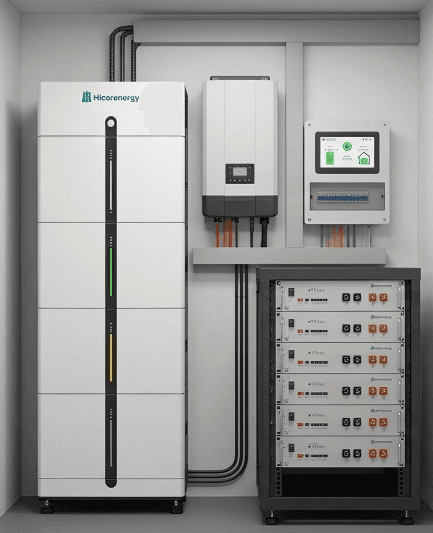
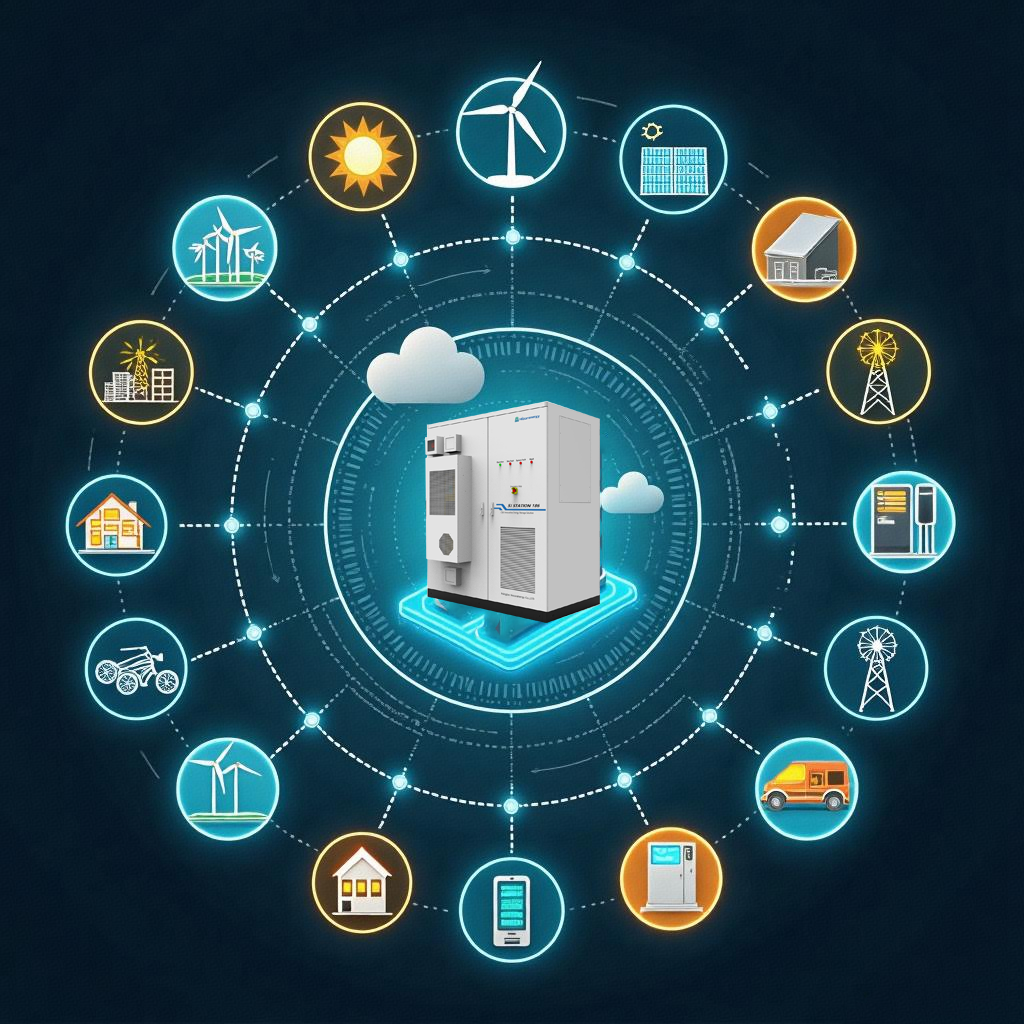
Hicorenergy offers advanced liquid-cooled energy storage systems designed for high-demand applications. The SI Station 230 integrates liquid cooling technology with a 230kWh capacity, delivering high energy density, stable thermal management, and reliable performance for industrial and grid-scale deployments.
In addition to large-scale systems, Hicorenergy also provides flexible solutions such as the I-BOX 48100R and SI LV1 for distributed and hybrid applications. These LiFePO4-based systems feature over 6,000 cycles, intelligent battery management, and scalable configurations, enabling seamless integration across residential, commercial, and industrial scenarios.
The Future of Liquid-Cooled Energy Storage
As energy storage systems continue to scale in size and complexity, liquid cooling is set to become the preferred solution for high-power applications. Its ability to maintain efficiency, extend battery life, and enhance safety makes it a strategic investment for future-ready energy infrastructure.
For EPC contractors, OEM distributors, and energy service providers, adopting liquid-cooled battery systems ensures the delivery of high-performance, reliable, and scalable solutions that meet the evolving demands of renewable energy integration.
Hicorenergy’s liquid-cooled solutions, including SI Station 230, deliver high-density, safe, and efficient energy storage for demanding environments, ensuring long-term reliability and performance.
For more information, please contact:
Email: info@hicorpower.com
WhatsApp: +86 181-0666-3226