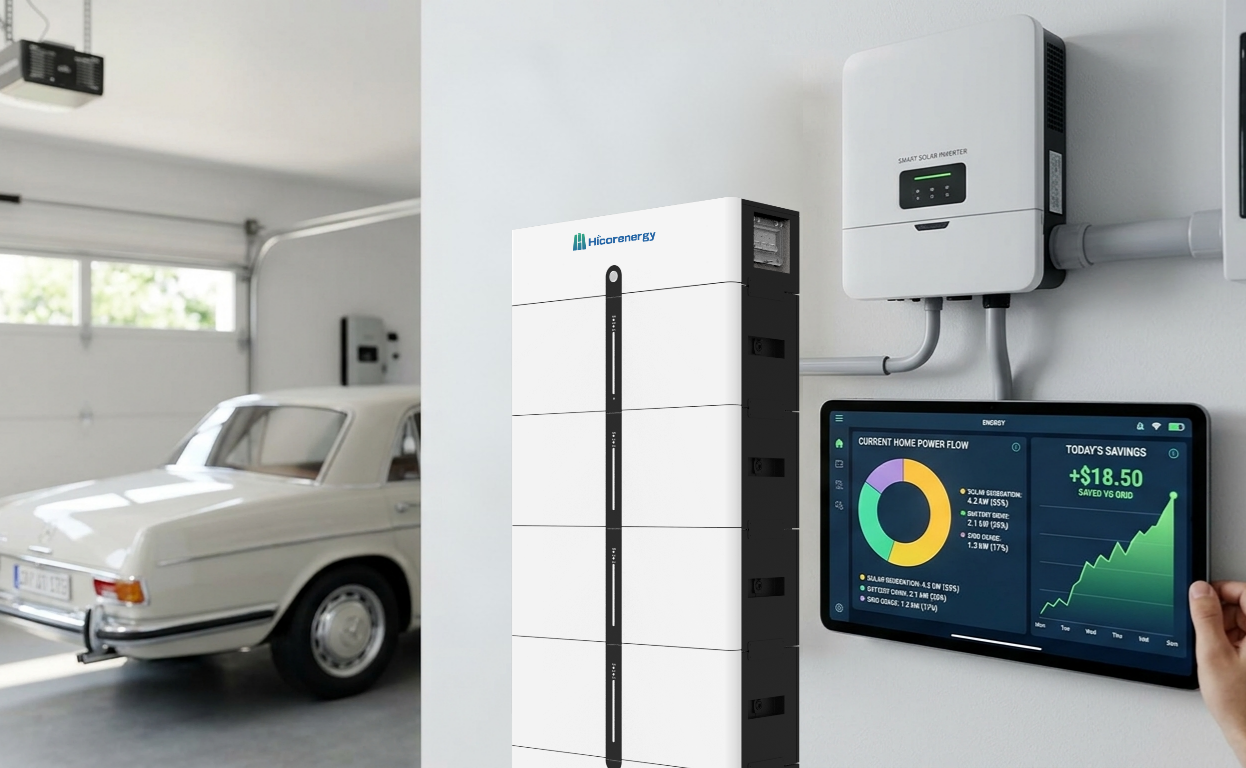
Home solar battery storage is becoming an increasingly important part of residential energy systems, especially as grid instability and policy changes affect solar savings. This article explores whether a residential solar battery is necessary, how it impacts power outages, costs, and ROI, and when investing in a battery backup for solar panels makes the most sense.
What Happens to Solar Panels During a Power Outage? Why You Lose Power Without a Battery
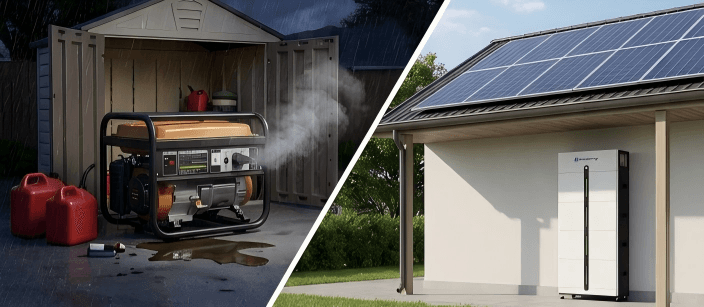
When homeowners install solar panels, many assume they will have electricity during outages. However, most grid-tied systems shut down automatically for safety reasons. Without a battery backup for solar panels, excess energy produced during the day is sent to the grid instead of being stored for later use. This means that during a blackout, even homes with solar panels may lose power completely. A residential solar battery solves this issue by storing unused energy, ensuring continuous power supply and greater energy independence.
Solar Battery Payback Period: How Long Does It Take for a Home Battery to Pay for Itself?
Solar battery payback period is a key concern for most buyers. While adding home solar battery storage increases the initial investment, it also improves long-term savings by reducing reliance on grid electricity and protecting against rising energy costs. Depending on electricity rates, usage patterns, and incentives, the payback period typically ranges from 5 to 10 years. As technology advances and prices decrease, the best time to buy a solar battery is increasingly shifting toward the present, making it a strategic investment worth deeper evaluation.
NEM 3.0 and Net Metering Changes: Why Battery Storage Is Becoming Essential for Solar ROI.
Net metering policies, especially under NEM 3.0, have significantly reduced the financial benefits of exporting excess solar energy back to the grid. Homeowners now receive lower compensation rates for the electricity they send out, making self-consumption more valuable than ever. This shift is one of the main reasons why home solar battery storage is becoming essential.
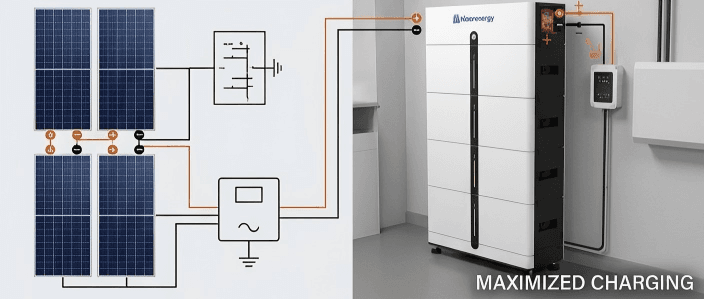
By installing a residential solar battery, users can store surplus solar energy generated during the day and use it during peak hours when electricity rates are higher. This not only maximizes energy savings but also improves overall system efficiency. Additionally, battery systems allow participation in advanced energy programs such as peak shaving and demand response, further enhancing ROI.
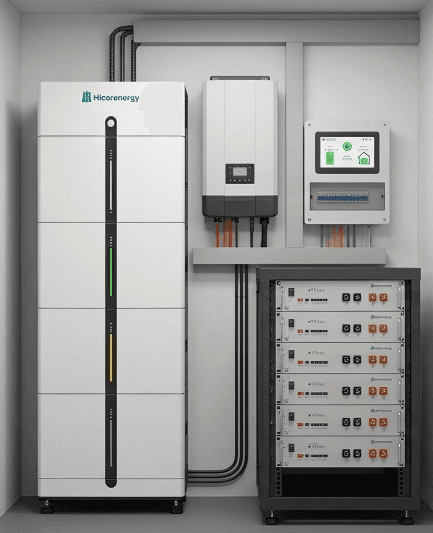
Products like the I-BOX 48100R demonstrate how modern systems are designed for high efficiency and flexibility. With over 6000 cycles, more than 95% round-trip efficiency, and compatibility with most inverters, such solutions provide a reliable battery backup for solar panels. Combined with smart monitoring features, users can optimize usage patterns and reduce energy waste, making solar battery maintenance tips like regular monitoring and temperature control even more relevant for long-term performance.
Solar Battery Cost vs. Value: Is Home Energy Storage Worth the Investment in 2025?
The cost of home solar battery storage remains a major consideration, but the value it provides continues to grow. In 2025, several factors make residential solar batteries more attractive: rising electricity prices, increased grid instability, and advancements in lithium-ion technology.
While upfront costs can still be significant, the long-term benefits often outweigh the investment. A battery backup for solar panels ensures uninterrupted power during outages, reduces dependence on unreliable grids, and allows homeowners to take full control of their energy usage. For regions with frequent blackouts or high peak tariffs, the financial and practical advantages are especially clear.
Solutions like the Si LV1 highlight how modern systems address both cost and usability concerns. With a modular, stackable design and plug-and-play installation, it reduces installation complexity and labor costs. Its scalability—ranging from 10.24 kWh to over 100 kWh—allows users to start small and expand as needed. This flexibility is crucial when considering the best time to buy a solar battery, as it enables gradual investment while still benefiting from immediate energy savings.
In addition, proper solar battery maintenance tips—such as keeping the system within optimal temperature ranges and using remote monitoring tools—can extend battery lifespan and improve return on investment. As battery technologies continue to evolve, the balance between cost and value is becoming increasingly favorable for homeowners and businesses alike.
Hicorenergy provides advanced residential energy storage solutions with high safety standards, long cycle life, and flexible scalability, helping users achieve reliable and cost-effective energy independence.
For more information, please contact:
Email: info@hicorpower.com
WhatsApp: +86 181-0666-3226