Best LiFePO4 Home Battery Storage Systems: Safe, Scalable & Solar-Ready Energy Solutions
HomeBlogBest LiFePO4 Home Battery Storage Systems: Safe, Scalable & Solar-Ready Energy Solutions

Best LiFePO4 Home Battery Storage Systems: Safe, Scalable & Solar-Ready Energy Solutions

  • News
Posted by Hicorenergy On Aug 13 2025

LiFePO4 battery

Understanding LiFePO4 Batteries for Home Energy Storage

As homeowners seek smarter and more sustainable ways to manage electricity, LiFePO4 (Lithium Iron Phosphate) batteries have emerged as a leading solution. Known for their stability, long lifespan, and environmental benefits, these batteries form the backbone of modern home energy storage systems.

By storing excess energy generated from solar panels or the grid, LiFePO4 batteries ensure a continuous and reliable power supply—helping households reduce electricity costs and increase energy independence.

Why LiFePO4 Is the Safest Lithium Battery for Homes

Safety is a top priority in residential energy storage, and LiFePO4 stands out as the most secure lithium battery chemistry available.

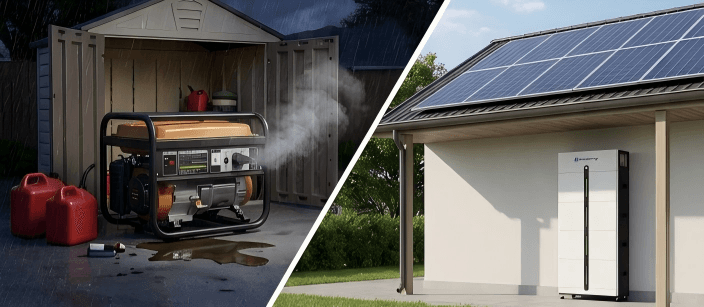
Its stable olivine structure prevents thermal runaway, even under extreme conditions such as overcharging or high temperatures. Unlike cobalt-based batteries, LiFePO4 does not release oxygen during failure, significantly reducing fire risks and eliminating toxic emissions.

This makes it ideal for installation in garages, utility rooms, or indoor spaces—without requiring complex fire protection systems.

Seamless Integration with Solar PV Systems

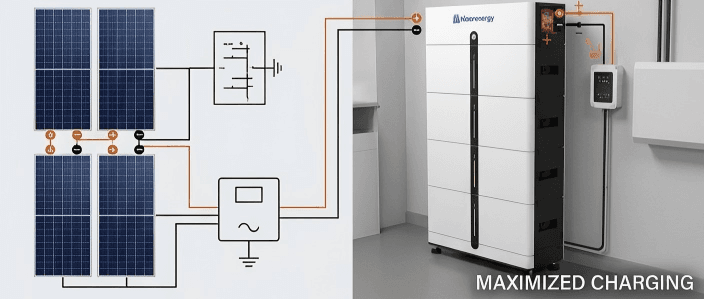
LiFePO4 batteries integrate effortlessly with both new and existing solar PV systems. Their high round-trip efficiency (typically 95–98%) ensures minimal energy loss during storage and use.

During the day, excess solar energy is stored in the battery, while at night or during outages, the stored energy powers household loads smoothly. With strong discharge capabilities, these systems can handle high-demand appliances such as air conditioners and pumps.

Smart monitoring platforms also allow homeowners to track energy usage, battery status, and system performance in real time.

Key Advantages of LiFePO4 Power Storage

LiFePO4 batteries offer multiple benefits that make them ideal for residential use:

  • Long lifespan: Thousands of charge cycles reduce replacement frequency

  • High safety standards: Minimal overheating and stable chemistry

  • Energy efficiency: Optimized charge/discharge performance

  • Eco-friendly materials: Free from cobalt and other toxic metals

  • Cost savings: Lower long-term ownership costs

These advantages make LiFePO4 a future-proof investment for homeowners seeking reliable and sustainable energy solutions.

Flexible and Scalable Home Energy Solutions

Modern LiFePO4 systems are designed with modularity in mind, allowing users to expand capacity as their energy needs grow.

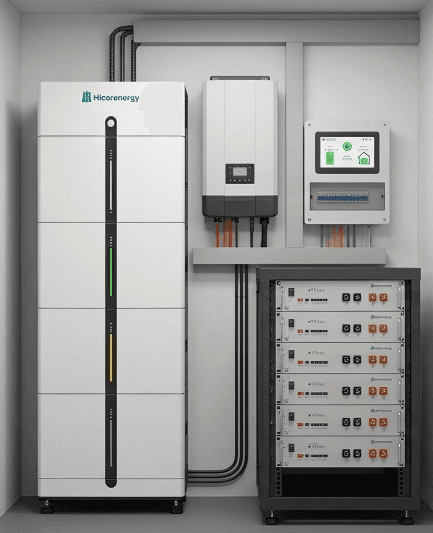
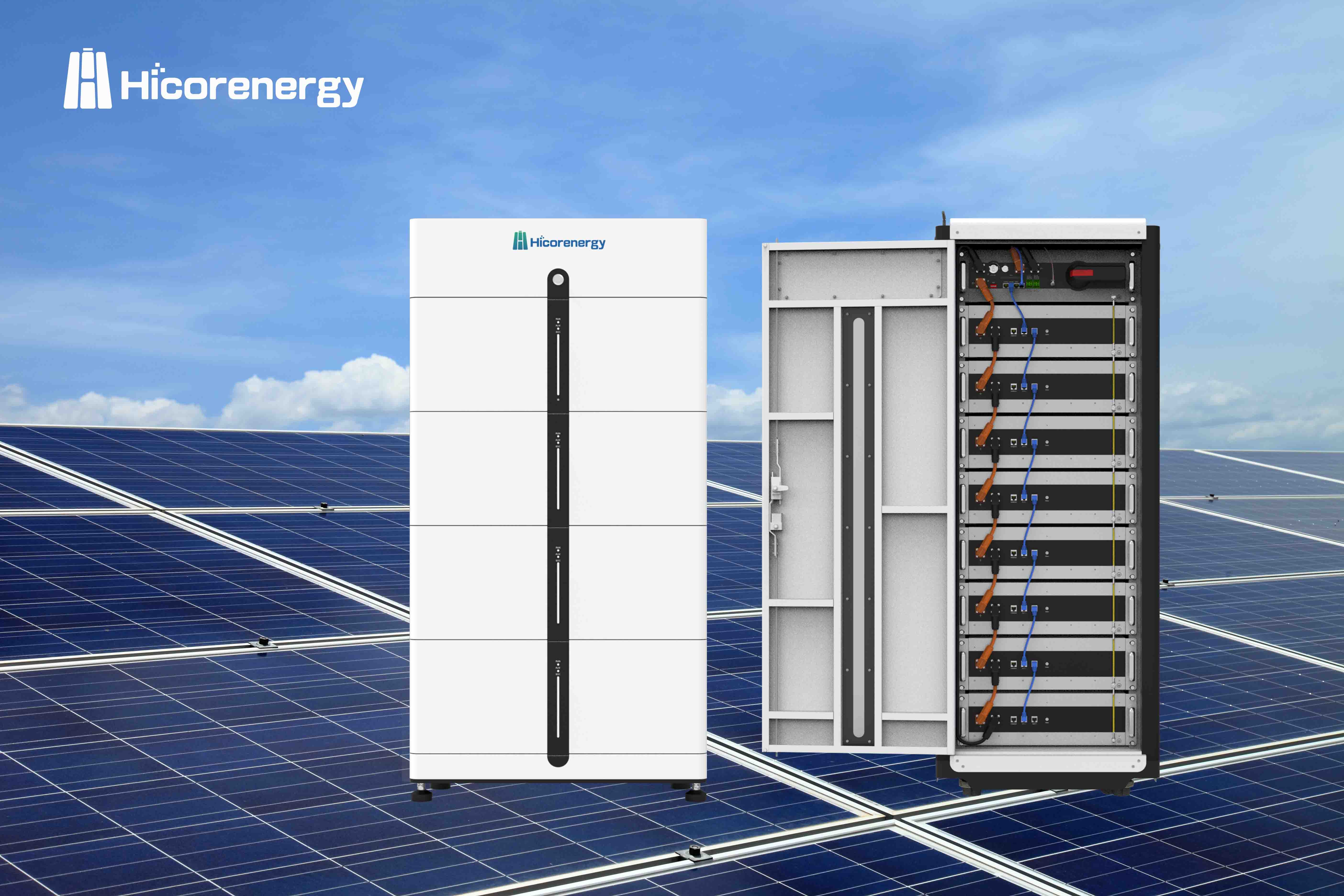
Hicorenergy offers advanced solutions such as the SI LV1 and I-BOX 48100R, both engineered for flexibility and performance. The SI LV1 features a compact, stackable design with plug-and-play installation, making it perfect for residential environments. Meanwhile, the I-BOX 48100R delivers high capacity, long cycle life, and strong compatibility with mainstream inverters.

These systems combine intelligent energy management with sleek design, enabling seamless integration into modern homes while maximizing efficiency.

How to Implement a LiFePO4 Battery System

Installing a home energy storage system involves several key steps:

  • Assess your energy needs: Evaluate daily consumption and backup requirements

  • Choose the right capacity: Plan for current use and future expansion

  • Select installation location: Ensure proper space, ventilation, and accessibility

  • Integrate with solar or grid: Work with certified professionals for safe setup

With the right planning, homeowners can build a highly efficient and future-ready energy system.

Hicorenergy’s SI LV1 and I-BOX 48100R provide safe, efficient, and scalable LiFePO4 storage, enabling reliable solar integration and long-term energy savings for modern homes.

Contact us to learn more:
Email: info@hicorpower.com
WhatsApp: +86 181-0666-3226

LiFePO4 battery

Categories

Featured Blogs

Tags:

Share On

Contact us

Get in touch with us for more information about our products and services

Phone
By submitting, you agree to ourPrivacy Policy

Featured Blogs

Are CEC Listed Battery Products Essential for Installers and Distributors in Australia?

Are CEC Listed Battery Products Essential for Installers and Distributors in Australia?

1.What Is CEC Listing & Why It Matters for Solar Businesses 2.How CEC Approval Unlocks STC Incentives for Your Customers 3.Quality & Reliability Benefits of CEC-Listed Solar Panels & Batteries 4.Compliance & Grid Connection: Why Installers Need CEC-Approved Products 5.CEC Listing: Boosting Business Credibility & Winning More Solar Projects 6.How to Verify CEC-Approved Products & Stay Updated on List Changes

Read More
Is Your Lithium-Ion Battery Truly Compatible with Mainstream Devices and Energy Systems?

Is Your Lithium-Ion Battery Truly Compatible with Mainstream Devices and Energy Systems?

1.Understanding Lithium-Ion Battery Technology: A Key for Distributors and Installers 2.Why Lithium-Ion Battery Compatibility Matters in Modern Energy Systems 3.Key Factors to Consider When Ensuring Lithium-Ion Battery Compatibility with Devices 4.How to Choose the Right Lithium-Ion Battery for Different Systems and Applications 5.Ensuring Safety and Efficiency: Best Practices for Distributors and Installers with Lithium-Ion Batteries 6.Future Trends in Lithium-Ion Battery Compatibility and How Distributors Can Stay Ahead

Read More
Why Do Lithium Batteries Outperform Other Chemistries for Long-Term Energy Storage?

Why Do Lithium Batteries Outperform Other Chemistries for Long-Term Energy Storage?

1.Lithium Battery Cycle Life vs. Lead-Acid: How Many Years Does a Lithium Battery Really Last? 2.Lithium Iron Phosphate vs. Sodium-Ion vs. Flow Battery: Which Battery Chemistry Is Best for Energy Storage? 3.Lithium Battery Degradation and Calendar Aging: What Happens to Lithium Batteries During Long-Term Storage? 4.Lithium Battery Cost per kWh 2025: Are Lithium Batteries Becoming Cheaper Than Lead-Acid for Long-Term Use?

Read More
Home Solar Battery Storage: Do You Really Need a Battery for Your Solar Panels?

Home Solar Battery Storage: Do You Really Need a Battery for Your Solar Panels?

1.What Happens to Solar Panels During a Power Outage? Why You Lose Power Without a Battery 2.Solar Battery Payback Period: How Long Does It Take for a Home Battery to Pay for Itself? 3.NEM 3.0 and Net Metering Changes: Why Battery Storage Is Becoming Essential for Solar ROI. 4.Solar Battery Cost vs. Value: Is Home Energy Storage Worth the Investment in 2025?

Read More
Is Solar-Plus-Storage the Future of Home Energy and Why Is It Transforming Power Management?

Is Solar-Plus-Storage the Future of Home Energy and Why Is It Transforming Power Management?

1.Home Solar Battery Storage Adoption Is Exploding: 16.4% Annual Growth and What’s Driving It 2.Are Solar Batteries Worth It? Why Self-Consumption Pays Off in 2026 3.Solar Battery Tax Credit 2026: 30% ITC, Payback Period, and How to Maximize Your Incentives 4.Beyond Backup: Virtual Power Plants and the Smart Home Energy Evolution

Read More
Lithium Battery vs Lead-Acid: Which Backup Battery Lasts Longer and Delivers Better Value?

Lithium Battery vs Lead-Acid: Which Backup Battery Lasts Longer and Delivers Better Value?

1.Lithium Battery vs Lead-Acid Cycle Life: 3–10x Longer, 10+ Years vs 3–5 Years 2.Depth of Discharge & Usable Capacity: Why 10kWh Lead-Acid Is Really Only 5kWh 3.Lithium vs Lead-Acid: Why Higher Upfront Cost Saves Money Over 10–15 Years 4.When Should You Choose Lead-Acid vs Lithium for Solar Storage?

Read More
attitude

It's All About Attitude!