Energy storage battery maintenance requires consistent inspection, proper usage practices, and adherence to manufacturer guidelines to ensure long-term performance, safety, and reliability. This summary highlights the core steps distributors and installers must follow to maintain system health and minimize failures.
Introduction to Energy Storage Batteries and Their Importance
Energy storage batteries play a critical role in stabilizing power supply, supporting renewable energy usage, and ensuring backup power in regions with unstable electricity. Their performance greatly depends on proper maintenance, making it essential for distributors and installers to follow systematic care procedures for safety and longevity.
Understanding the Types of Energy Storage Systems
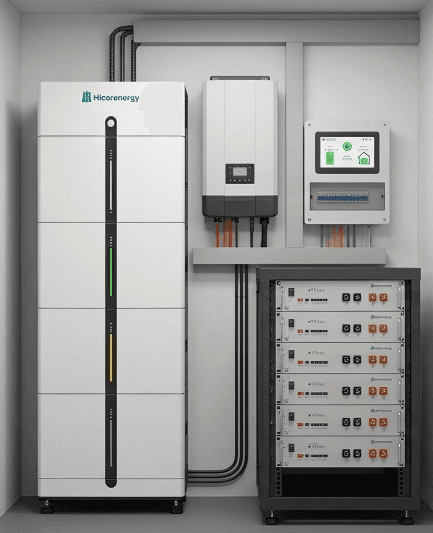
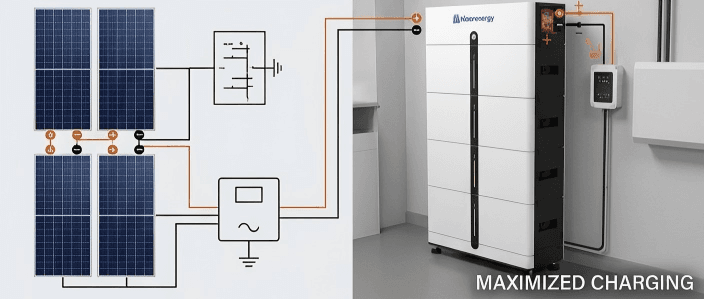
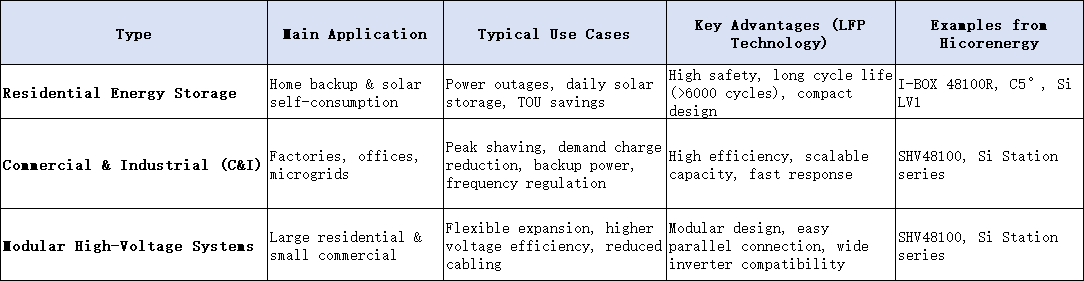
Energy storage solutions vary significantly based on application, capacity, and technology. Common types include residential lithium-ion systems, commercial and industrial (C&I) battery stations, and modular high-voltage systems. Residential systems typically support households during outages and enable solar energy storage. C&I systems serve factories, buildings, and microgrids through peak shaving and backup power functions. Lithium-ion LFP batteries, such as those widely used in modern energy storage applications, offer high cycle life, safety, and efficiency. Understanding each system’s design and operating environment is essential for implementing correct maintenance routines and preventing premature degradation.
Best Practices for Battery Maintenance
Routine inspections, firmware updates, environmental checks, and adherence to manufacturer guidelines form the foundation of proper energy storage battery maintenance. Installers should verify ventilation conditions, ensure stable electrical connections, and monitor energy usage patterns to maintain optimal performance.

Troubleshooting Common Energy Storage Battery Issues
Energy storage batteries may experience a range of operational challenges, including voltage imbalance, reduced charging efficiency, communication faults, and abnormal temperature fluctuations. Distributors and installers should begin troubleshooting by checking BMS error codes, verifying wiring integrity, and confirming inverter compatibility. Temperature irregularities often indicate poor ventilation or environmental mismatch, requiring corrective adjustments to maintain the manufacturer-recommended operating range. When capacity drops unexpectedly, cycle history and charge/discharge behavior must be reviewed to identify misuse or overload. Establishing a structured diagnostic process helps minimize downtime and ensures systems remain safe and reliable across diverse deployment environments.
How to Ensure Optimal Battery Lifespan for Clients
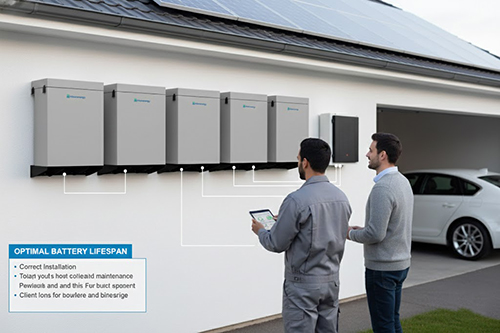
Ensuring long service life requires combining correct installation, proper battery selection, and ongoing monitoring. Hicorenergy’s residential and C&I solutions—such as the I-BOX 48100R, C5°, Si LV1, SHV48100, and Si Station series—are engineered for superior longevity, featuring ≥6000 cycles, high round-trip efficiency, and advanced BMS protection. Installers should advise clients to avoid frequent deep discharges, maintain stable ambient temperatures, and monitor battery health through Hicorenergy’s remote-management platforms. Flexible installation options, wide compatibility with major inverters, and robust hardware protections further support long-term durability. By combining proper usage habits with high-quality equipment, clients can achieve maximum energy independence and cost savings.
Compliance and Regulations for Battery Maintenance
Energy storage battery maintenance must align with local and international safety standards to ensure safe operation and regulatory compliance. Installers should follow guidelines related to electrical safety, fire protection, system ventilation, and installation procedures. Certifications such as UL standards, grid-connection requirements, and environmental regulations must be verified prior to deployment. High-voltage systems and large-scale storage must adhere to additional inspection protocols, including periodic safety audits and documented maintenance procedures. Regulatory compliance not only protects end-users but also strengthens distributor credibility, ensuring that all deployed systems meet industry-approved performance and safety benchmarks.
In summary proper energy storage battery maintenance ensures performance, safety, and long product life, with Hicorenergy offering dependable lithium-ion solutions for residential and C&I applications.
Contact: info@hicorpower.com | WhatsApp: +86 181-0666-3226