Energy Storage System Distributor success depends on avoiding key operational mistakes that impact safety, performance, and compliance. This article outlines six critical “don’ts,” including safety negligence, poor storage practices, weak BMS monitoring, logistics errors, inadequate training, and missing documentation, helping distributors improve reliability, reduce risks, and strengthen long-term customer satisfaction.
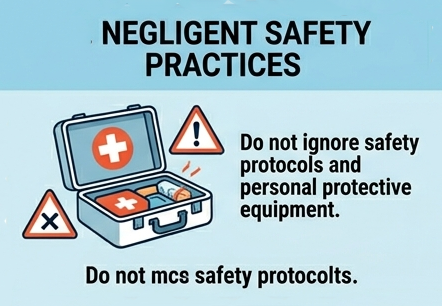
Don’t Ignore Safety Standards When Handling Energy Storage Systems
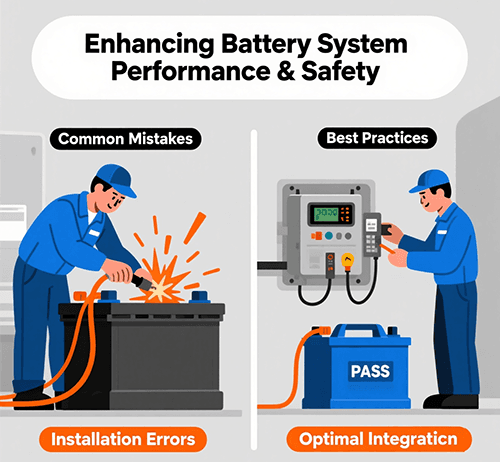
For any Energy Storage System Distributor, ignoring safety standards can lead to severe operational and financial consequences. Lithium-ion batteries require strict adherence to international safety certifications, proper handling procedures, and installation protocols. Failure to comply can result in fire hazards, system failures, or legal liabilities. Distributors must ensure that all products meet required certifications and that installation teams follow standardized safety guidelines. By prioritizing safety from procurement to deployment, distributors can protect both end-users and their business reputation while ensuring consistent and reliable system performance.
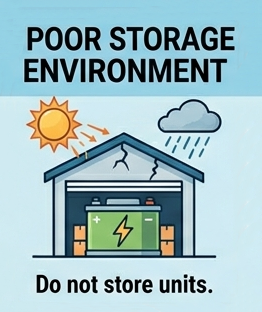
Don’t Overlook Proper Battery Storage and Environmental Conditions
An Energy Storage System Distributor must carefully manage storage environments to preserve battery integrity and performance. Improper storage conditions—such as excessive heat, humidity, or poor ventilation—can accelerate battery degradation and reduce lifespan. According to industry best practices reflected by leading providers, batteries should be stored in controlled environments with stable temperatures and minimal exposure to moisture.
Hicorenergy systems are designed with wide operating temperature ranges and robust structural protection, allowing them to perform reliably in diverse conditions. However, even advanced systems require correct storage before installation. Maintaining optimal environmental conditions ensures batteries retain their efficiency and safety characteristics, ultimately reducing warranty claims and improving customer satisfaction.
Don’t Neglect Battery Management System (BMS) Monitoring and Maintenance
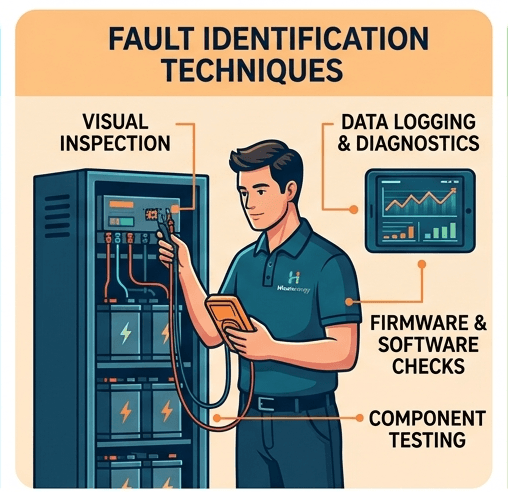
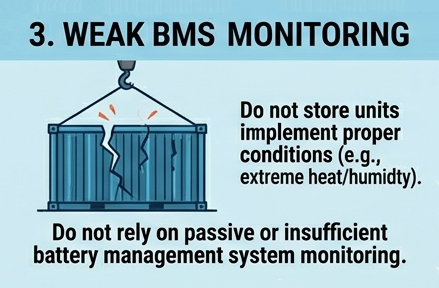
Battery Management Systems are central to any Energy Storage System Distributor’s operations. Neglecting BMS monitoring can result in undetected faults, performance inconsistencies, and long-term system damage. A properly functioning BMS tracks voltage, temperature, and charge cycles, enabling early detection of abnormalities.
Distributors should emphasize continuous monitoring and regular maintenance to ensure system stability. Remote diagnostics and real-time data analysis help identify issues before they escalate into costly failures. This proactive approach not only extends battery lifespan but also builds customer confidence. Understanding the importance of BMS monitoring naturally leads to broader operational considerations, including logistics, training, and compliance practices.
Don’t Mishandle Transport and Logistics of Lithium-ion Batteries
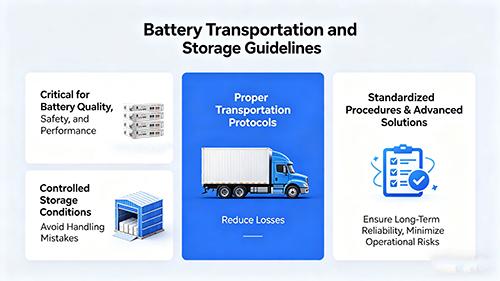
Transport and logistics are critical aspects that every Energy Storage System Distributor must handle with precision. Lithium-ion batteries are classified as sensitive and sometimes hazardous goods, requiring compliance with international transport regulations. Improper packaging, lack of certification, or mishandling during transit can lead to safety risks and shipment delays.
Distributors should work with experienced logistics partners and ensure that packaging meets safety standards, including shock resistance and insulation. Clear labeling and documentation are also essential to prevent customs issues. Additionally, planning efficient logistics routes and maintaining stable supply chains help reduce operational costs. Proper handling during transport ensures that batteries arrive in optimal condition, ready for installation and use.
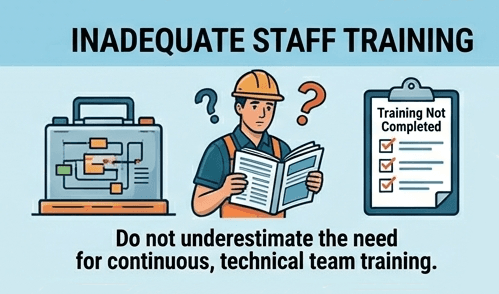
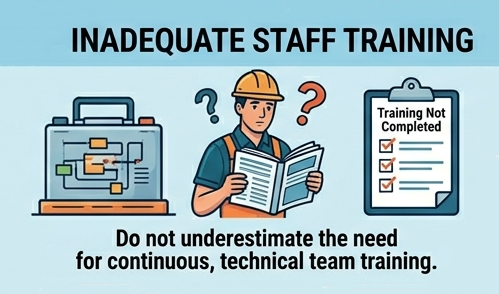
Don’t Underestimate Training and Knowledge Requirements for Installation Teams
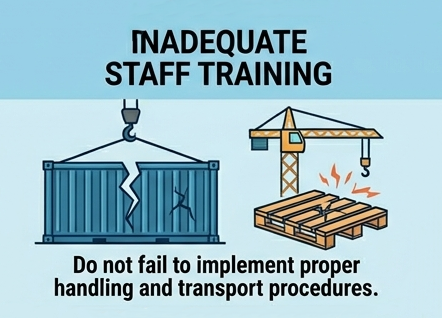
An experienced Energy Storage System Distributor understands that well-trained installation teams are essential for successful deployment. Lack of technical knowledge can lead to incorrect installations, system inefficiencies, and increased failure rates. Training should cover system configuration, safety procedures, troubleshooting, and compatibility with various inverters.
Hicorenergy offers advanced solutions such as the I-BOX 48100R, C5°, and Si LV1 systems, which are designed for easy installation with features like plug-and-play connectors, modular scalability, and intelligent monitoring. These innovations simplify installation but still require proper understanding to maximize their benefits. By investing in continuous training and technical education, distributors can enhance service quality, reduce errors, and ensure consistent system performance across different projects.
Don’t Skip Documentation and Compliance Checks for Every Delivery
Documentation and compliance are often overlooked but remain critical for every Energy Storage System Distributor. Missing or incomplete documentation can lead to regulatory issues, project delays, and customer dissatisfaction. Each delivery should include detailed technical specifications, certification records, installation manuals, and warranty information.
Compliance checks ensure that products meet local and international standards, which is especially important when operating across multiple regions. Proper documentation also facilitates smoother installation, maintenance, and troubleshooting processes. By maintaining accurate records and ensuring compliance at every stage, distributors can improve operational efficiency and build stronger trust with clients and partners.
Conclusion
Avoiding these six mistakes allows every Energy Storage System Distributor to improve safety, efficiency, and reliability. With advanced, reliable, and scalable solutions, Hicorenergy supports distributors in delivering high-quality energy storage systems that meet global standards and diverse application needs.
Contact us today:
Email: info@hicorpower.com
WhatsApp: +86 181-0666-3226