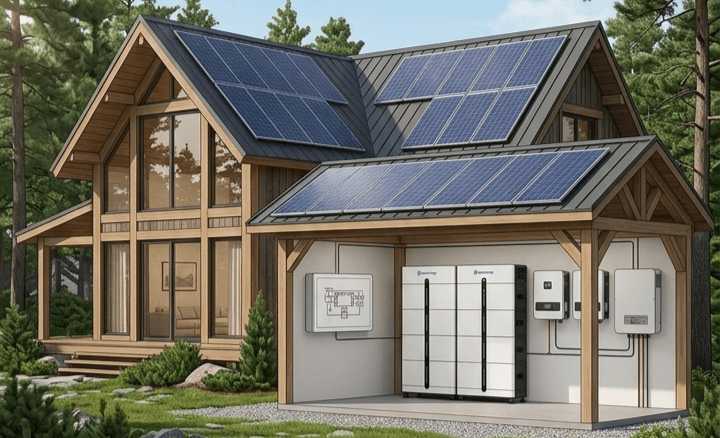
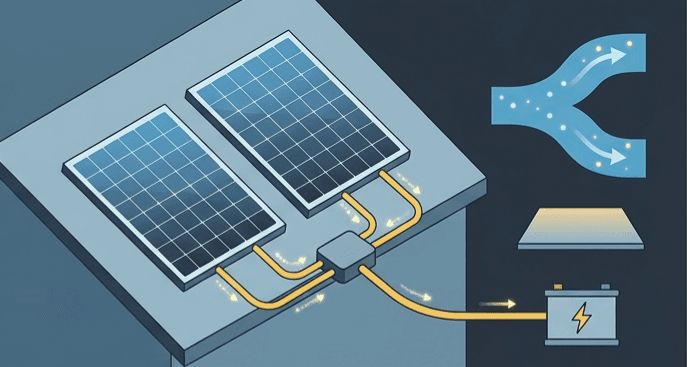
Battery Integration Troubleshooting is critical for ensuring the safety, efficiency, and longevity of energy storage systems. This guide outlines common integration issues, fault identification techniques, and proven solutions tailored for distributors and installers working with Hicorenergy systems, helping reduce downtime, improve reliability, and deliver consistent performance across residential and commercial applications.
Common Battery Integration Issues in Hicorenergy Systems and Their Impact
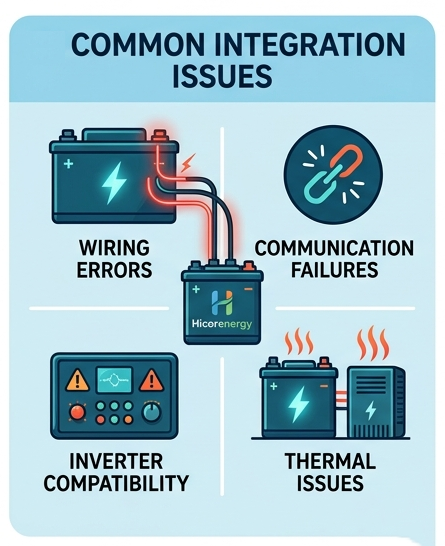
Battery Integration Troubleshooting often begins with identifying recurring system issues such as voltage mismatches, improper inverter compatibility, communication failures, and thermal imbalance. These problems can lead to reduced system efficiency, unexpected shutdowns, or long-term battery degradation. For distributors and installers, such failures not only affect system performance but also increase after-sales costs and customer dissatisfaction. Understanding these common integration challenges is essential to ensuring stable operation, especially in regions with unstable grid conditions or demanding environmental factors.
Identifying Electrical Connection and Wiring Faults During Battery Integration
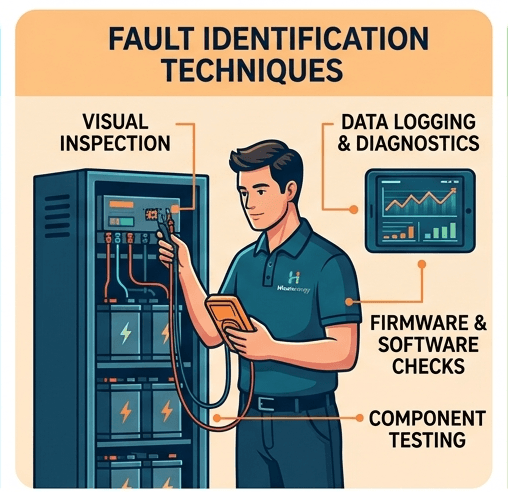
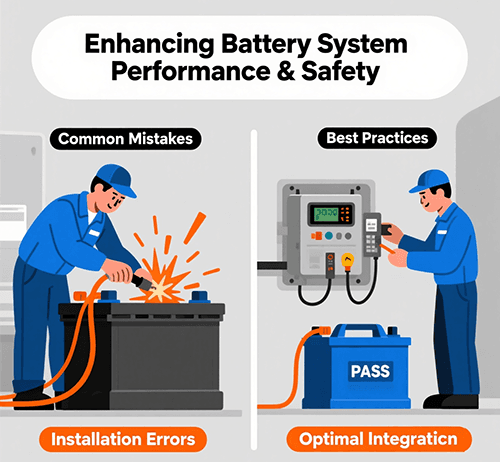
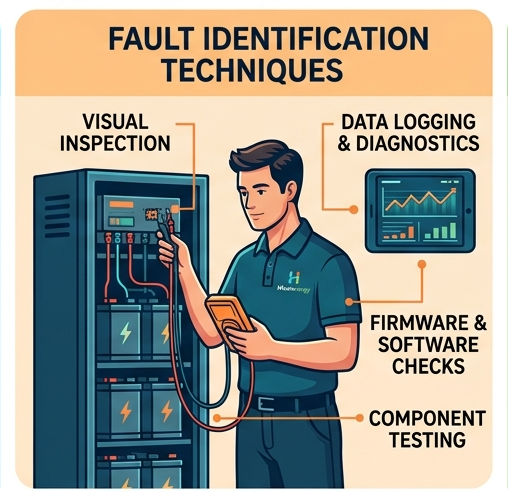
Electrical faults are among the most frequent causes requiring Battery Integration Troubleshooting. Improper cable sizing, loose terminals, or incorrect polarity connections can result in overheating, voltage drops, or system alarms. Installers should carefully follow wiring diagrams and verify torque specifications during installation. Additionally, ensuring compatibility between battery systems and inverters is crucial to prevent mismatch issues. High-quality connectors and standardized installation practices significantly reduce risks. Regular inspection and testing using diagnostic tools can help detect hidden faults early, minimizing system downtime and improving overall safety and reliability.
How to Detect and Handle Battery Performance Degradation
Battery Integration Troubleshooting also involves monitoring long-term performance degradation. Declining capacity, slower charge/discharge rates, and inconsistent output are key indicators. These issues may arise from improper usage, environmental stress, or aging cells. Distributors and installers should utilize monitoring systems to track real-time data and identify anomalies early. Addressing degradation promptly not only extends battery life but also enhances customer trust. Understanding these warning signs encourages proactive maintenance strategies and sets the stage for deeper insights into system optimization and troubleshooting techniques.
Troubleshooting Thermal Management Problems in Hicorenergy Batteries
Thermal management plays a critical role in Battery Integration Troubleshooting. Excessive heat or extremely low temperatures can significantly impact battery efficiency and lifespan. Hicorenergy systems are designed with advanced thermal protection features, including wide operating temperature ranges and integrated heating systems. However, improper installation environments—such as confined spaces or areas with poor ventilation—can still lead to overheating.
Installers should ensure adequate airflow and avoid placing systems near heat sources. In colder climates, verifying that built-in heating functions are operational is essential. Monitoring temperature data through smart systems allows for real-time adjustments. Effective thermal management not only improves safety but also ensures consistent battery performance under diverse environmental conditions, which is particularly important for global deployments.
Preventing Communication and Software Errors in Battery Management Systems (BMS)
Communication failures are a key focus in Battery Integration Troubleshooting, often caused by incorrect protocol settings, incompatible devices, or software misconfigurations. Hicorenergy products integrate self-developed Battery Management Systems (BMS) with dual MCU protection, ensuring high reliability and accurate data communication.
Advanced systems such as the I-BOX 48100R and C5° offer real-time monitoring, remote upgrading, and error detection through web and app interfaces. These features enable installers to quickly diagnose and resolve issues without on-site intervention. Ensuring proper configuration during installation and keeping firmware updated are essential steps. By leveraging Hicorenergy’s intelligent monitoring tools, distributors can significantly reduce communication errors and enhance system stability across various applications.
Best Practices for Distributors: Minimizing Integration Failures and Ensuring Reliability
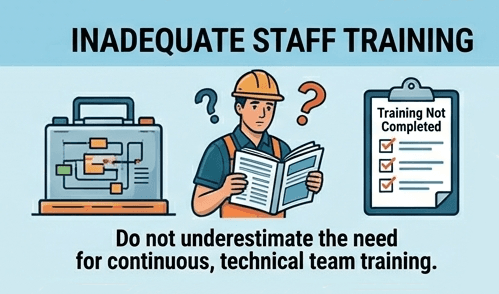
For distributors, effective Battery Integration Troubleshooting starts with selecting high-quality, compatible products and providing proper training to installation teams. Hicorenergy’s modular and scalable systems simplify integration while reducing the likelihood of errors. Pre-installation planning, including site assessment and load analysis, is essential to avoid mismatches and performance issues.
Standardizing installation procedures and maintaining clear documentation can further minimize risks. Additionally, leveraging local service networks and technical support ensures faster response times and better customer satisfaction. Distributors should also prioritize after-sales service, including regular system checks and remote diagnostics, to maintain long-term reliability. These practices not only reduce operational challenges but also strengthen market competitiveness.
Conclusion
Battery Integration Troubleshooting is essential for maximizing the performance and reliability of Hicorenergy systems. With advanced BMS, scalable designs, and intelligent monitoring, Hicorenergy provides dependable solutions for diverse applications, enabling distributors and installers to deliver efficient, safe, and long-lasting energy storage systems.
Contact us today:
Email: info@hicorpower.com
WhatsApp: +86 181-0666-3226