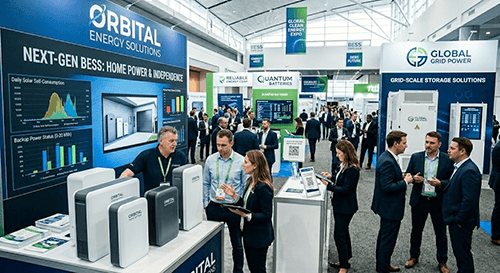
CEC Listed Battery Products are critical for ensuring compliance, unlocking financial incentives, and delivering reliable energy storage solutions in Australia. Installers and distributors benefit from smoother grid connections, enhanced system performance, and increased customer trust, making CEC-approved batteries a key factor in building a successful and competitive solar business.
What Is CEC Listing & Why It Matters for Solar Businesses
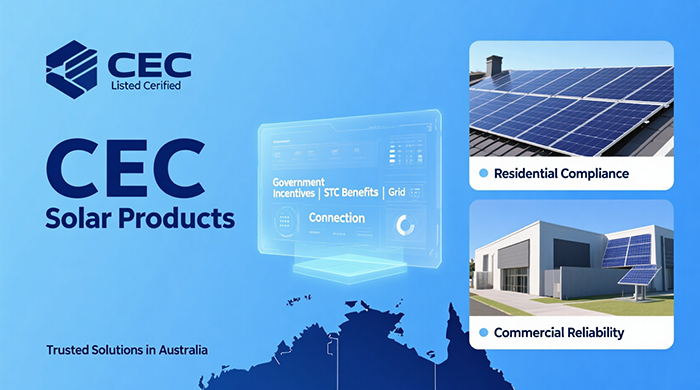
CEC listing refers to the certification process conducted by the Clean Energy Council in Australia to verify that battery products meet strict safety, performance, and quality standards. For solar businesses, using CEC Listed Battery Products is essential to meet regulatory requirements and ensure system eligibility for installation. Non-listed batteries may fail to comply with national standards, creating risks for installers and distributors. By choosing CEC-approved batteries, businesses can guarantee reliable performance, reduce installation risks, and align with Australia’s rapidly evolving renewable energy market.
How CEC Approval Unlocks STC Incentives for Your Customers
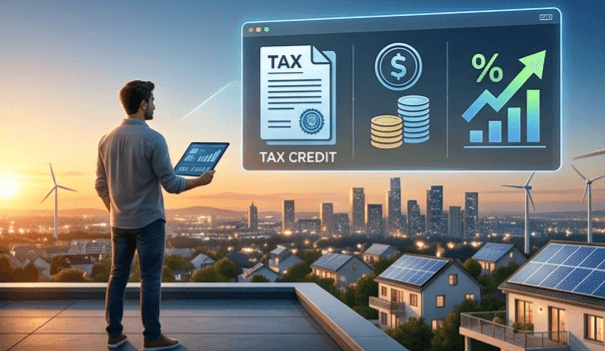
CEC Listed Battery Products play a vital role in enabling access to Australia’s Small-scale Technology Certificates (STC) scheme, which significantly reduces upfront costs for end users. Systems that incorporate CEC-approved components are more likely to qualify for incentives, making them more attractive to customers seeking affordable energy solutions. This creates a strong competitive advantage for installers and distributors offering compliant systems.
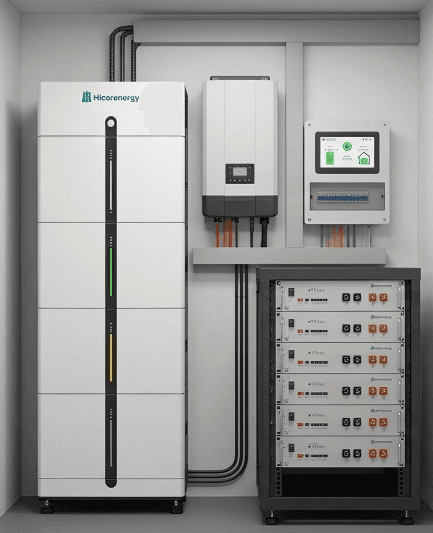
Additionally, CEC approval simplifies project approvals and documentation, reducing delays and administrative burdens. Customers benefit from lower investment costs, while businesses gain higher conversion rates and faster project turnaround. Advanced energy storage solutions developed with compliance in mind, such as those offered by Hicorenergy, ensure compatibility with solar systems and regulatory standards. This alignment helps partners maximize incentive eligibility while delivering efficient and dependable energy storage solutions.
Quality & Reliability Benefits of CEC-Listed Solar Panels & Batteries
CEC Listed Battery Products are associated with high levels of quality and reliability, as they undergo rigorous testing and validation. For installers and distributors, this translates into fewer system failures, reduced maintenance requirements, and improved customer satisfaction. Reliable batteries contribute to consistent energy storage performance, ensuring stable operation across different applications.
Australia’s environmental conditions, including high temperatures and variable climates, demand robust energy storage systems. CEC-listed batteries are designed to withstand these conditions while maintaining efficiency and safety. This reliability not only protects end users but also strengthens the reputation of installers and distributors. By prioritizing quality, businesses can build long-term relationships with customers and position themselves as trusted providers in the competitive solar energy market.
Compliance & Grid Connection: Why Installers Need CEC-Approved Products
Compliance is a fundamental requirement in Australia’s energy sector, making CEC Listed Battery Products indispensable for installers. Grid connection processes are strictly regulated, and the use of non-approved batteries can lead to application rejections or costly project delays. Ensuring that all components meet CEC standards simplifies the approval process and reduces risks during installation.
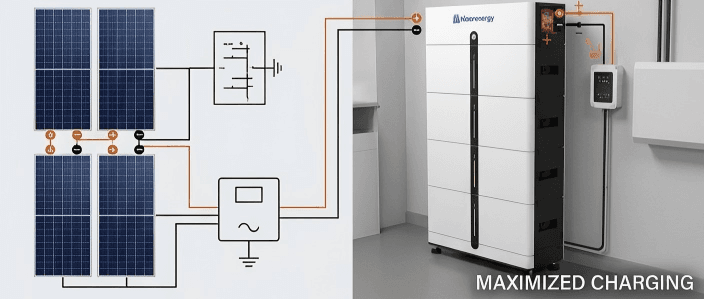
CEC-approved batteries are designed to integrate seamlessly with grid systems, ensuring safe and efficient energy flow. This compatibility enhances system stability and minimizes potential technical issues. For distributors, supplying compliant products ensures that installation partners can complete projects without complications. Ultimately, adherence to CEC standards supports smoother operations, improved safety, and a stronger reputation within the industry.
CEC Listing: Boosting Business Credibility & Winning More Solar Projects
Using CEC Listed Battery Products significantly enhances business credibility and market competitiveness. Customers are more likely to trust installers and distributors who offer certified, high-quality solutions that meet national standards. This trust translates into increased project opportunities and stronger client relationships.
Hicorenergy provides advanced lithium-ion battery solutions designed with compatibility, scalability, and performance in mind. Products such as the I-BOX 48100R, Si LV1, and commercial systems deliver over 6,000 cycles, high efficiency, and flexible installation options. These systems are engineered to integrate with mainstream inverters and energy systems, supporting compliance requirements and diverse applications. By offering reliable and adaptable solutions, distributors can differentiate themselves in the market and secure more large-scale and long-term projects.
How to Verify CEC-Approved Products & Stay Updated on List Changes
Verifying CEC Listed Battery Products is essential to ensure ongoing compliance and avoid costly errors. Installers and distributors should regularly consult the official Clean Energy Council database, which provides updated lists of approved batteries and related components. This step ensures that all products used in installations meet current regulatory requirements.
Staying informed about updates is equally important, as product listings can change due to new standards or performance evaluations. Businesses should implement internal processes to monitor updates and communicate changes to their teams. Partnering with manufacturers that prioritize compliance and transparency can also simplify this process. By staying up to date, distributors can maintain compliance, reduce risks, and remain competitive in a dynamic market.
Conclusion
CEC Listed Battery Products ensure compliance, reliability, and market competitiveness. Hicorenergy delivers advanced, compatible energy storage solutions that support installers and distributors in achieving long-term success in Australia.
Call to Action:
Email: info@hicorpower.com
WhatsApp: +86 181-0666-3226