Energy storage has become a cornerstone of modern power systems, supporting households, industries, and renewable energy projects. One key specification that buyers often examine is the number of cycles a battery can perform — for instance, a 6000 cycle battery. But what does this figure truly mean, and how does it translate into real-world service life?
What Does a 6000 Cycle Battery Mean for Energy Storage Systems?
A 6000 cycle battery refers to a lithium battery capable of completing 6000 full charge and discharge cycles before its capacity falls below about 80% of its original level. It indicates long-term reliability, efficiency, and durability for residential and commercial energy storage applications.
How Do Battery Cycles Affect the Lifespan of a 6000 Cycle Battery?
Battery lifespan is directly related to the number of charge and discharge cycles it can endure while maintaining stable performance. A 6000 cycle battery used daily in energy storage applications can typically last between 10 and 15 years, depending on depth of discharge (DOD), operating temperature, and charging habits. For example, lithium iron phosphate (LiFePO₄) batteries, such as those offered by Hicorenergy, maintain high efficiency above 95% even after thousands of cycles. Each cycle gradually reduces a battery’s usable capacity, but advanced battery management systems (BMS) and optimized thermal control — both found in Hicorenergy’s products — minimize degradation, ensuring consistent output and long-term stability.
How Many Years Can a 6000 Cycle Battery Last for Distributors and Installers?
For distributors and installers, a 6000 cycle battery typically lasts 10 to 20 years under standard usage (one full cycle per day). Factors like climate conditions, system design, and maintenance frequency can extend or shorten that lifespan. Long-life batteries help businesses reduce warranty claims and ensure stronger end-user satisfaction.
What Factors Influence the Longevity of a 6000 Cycle Battery in Real-World Conditions?
The real-world longevity of a 6000 cycle battery depends on several interrelated factors. Temperature is one of the most critical: extreme heat accelerates chemical degradation, while low temperatures reduce capacity. Depth of Discharge (DOD) also plays a major role; operating consistently below 90% DOD can significantly extend battery life. Charging speed and frequency are additional considerations — slow, balanced charging prevents stress on internal cells. Moreover, installation environment matters; dust, humidity, and poor ventilation can cause premature aging. Hicorenergy’s lithium batteries, designed with robust thermal management and dual MCU-based BMS protection, are engineered to perform reliably even in harsh environments across Africa, Asia, and Europe.
How Can Installers Maximize the Lifespan of a 6000 Cycle Battery?
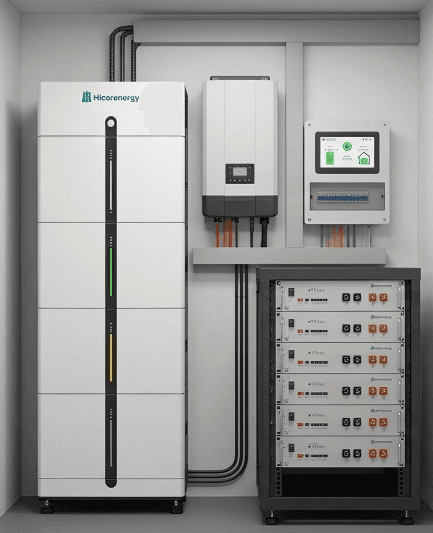
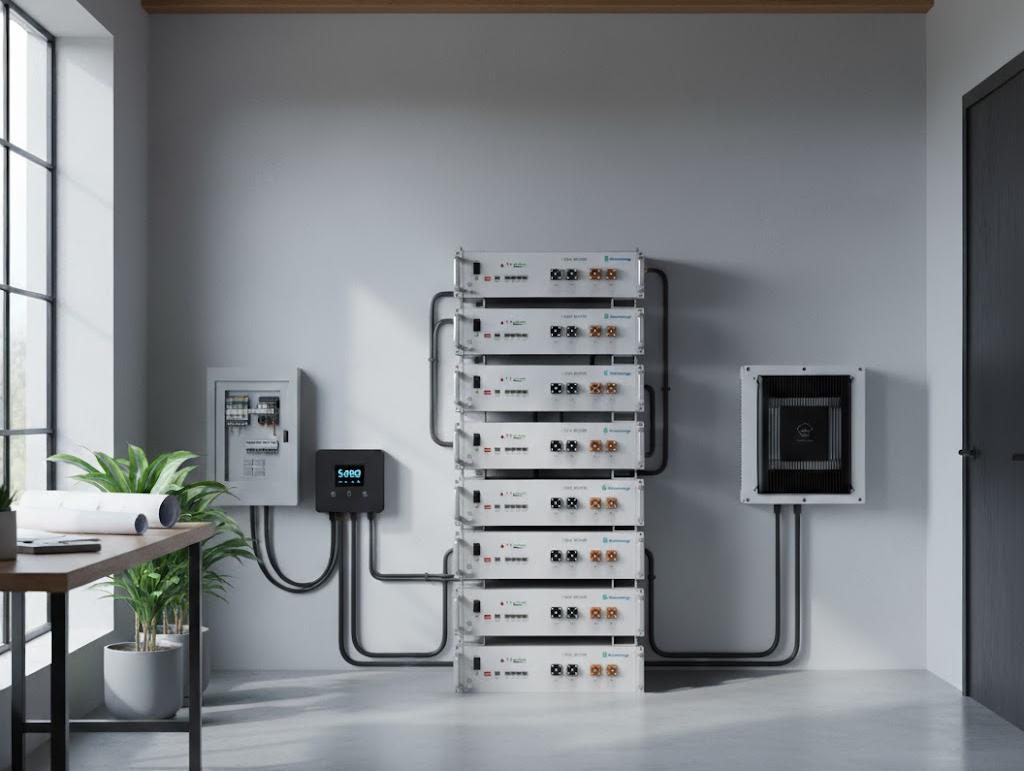
Installers can take practical steps to ensure the longest possible battery life for customers. Proper system sizing ensures batteries are not consistently overworked. Temperature control — either through placement in ventilated areas or the use of active cooling — helps maintain optimal performance. Firmware updates and remote monitoring, available in Hicorenergy’s C5° and I-BOX 48100R systems, allow for real-time diagnostics, alarm notifications, and intelligent protection against overcharging or deep discharging. The Si LV1 system, designed for quick plug-and-play installation, includes integrated breakers, UL9540A-tested safety certification, and scalability up to 122.88 kWh. These products demonstrate Hicorenergy’s dedication to high safety standards, easy maintenance, and longevity — qualities that make their 6000 cycle batteries among the most reliable choices for residential and commercial energy storage applications.
How Does a 6000 Cycle Battery Compare to Other Battery Types in Terms of Longevity and Cost-Effectiveness?
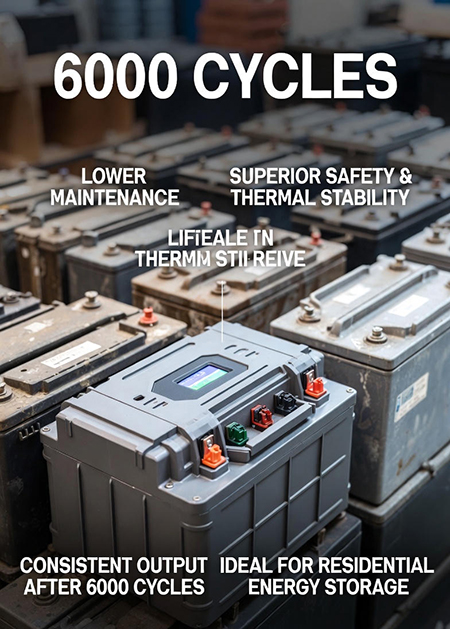
Compared with traditional lead-acid batteries that usually last 300–800 cycles, a 6000 cycle lithium battery provides nearly 10 times the lifespan with far lower maintenance. Although the initial investment is higher, the long-term cost per cycle is substantially lower, making it more economical for both homeowners and installers. Lithium iron phosphate (LiFePO₄) batteries also have superior safety and thermal stability, offering consistent output even after years of operation. Hicorenergy’s 6000 cycle battery solutions, featuring over 95% round-trip efficiency and a 10-year warranty, offer a clear balance between cost-effectiveness and performance durability. For distributors and energy solution providers, this translates to higher profit margins, reduced replacement frequency, and enhanced customer trust.
Conclusion
Hicorenergy’s 6000 cycle battery solutions deliver exceptional longevity, safety, and efficiency — ensuring reliable performance for up to 20 years. These products embody the company’s mission of providing safe, long-lasting, and sustainable energy solutions for global users.
Contact Hicorenergy: