 When businesses and households evaluate energy storage, one of the most frequent questions is: how much usable power can a 230kWh system deliver? The answer depends on multiple factors including energy demand, application type, and usage duration. A 230kWh energy storage system is a large-scale battery solution capable of storing 230 kilowatt-hours of electricity, providing reliable backup power, renewable energy integration, and peak shaving for commercial, industrial, and microgrid applications.
How Long Can a 230kWh Battery Storage System Power Your Business or Home?
The duration a 230kWh system can provide power depends on the load it supports. For example, a typical household consuming 20kWh per day could run for over 11 days on a fully charged 230kWh system. In contrast, a small business using 200kWh daily would receive just over one day of backup. For industrial users, it often works best for peak demand management rather than continuous supply. This flexibility makes it suitable for a wide range of users, from homes to factories.
230kWh Energy Storage System Applications: Commercial, Industrial, and Microgrids
A 230kWh energy storage system offers versatility in deployment. Commercial enterprises use it to reduce peak demand charges, while industries rely on it for power reliability and cost optimization. In microgrids, it supports renewable energy storage and grid stability. With its modular and scalable design, it can be adapted for different project sizes and environments.
Comparing 230kWh Battery Storage with Other Energy Storage Capacities
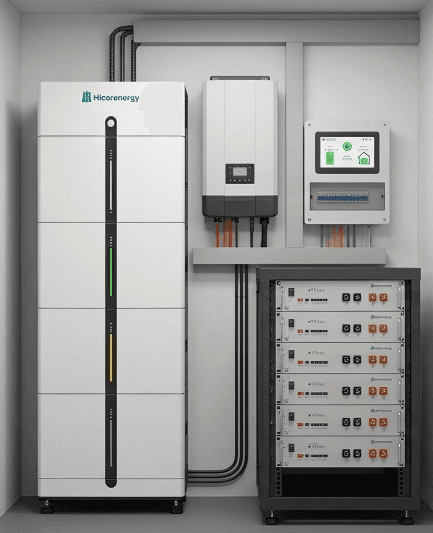
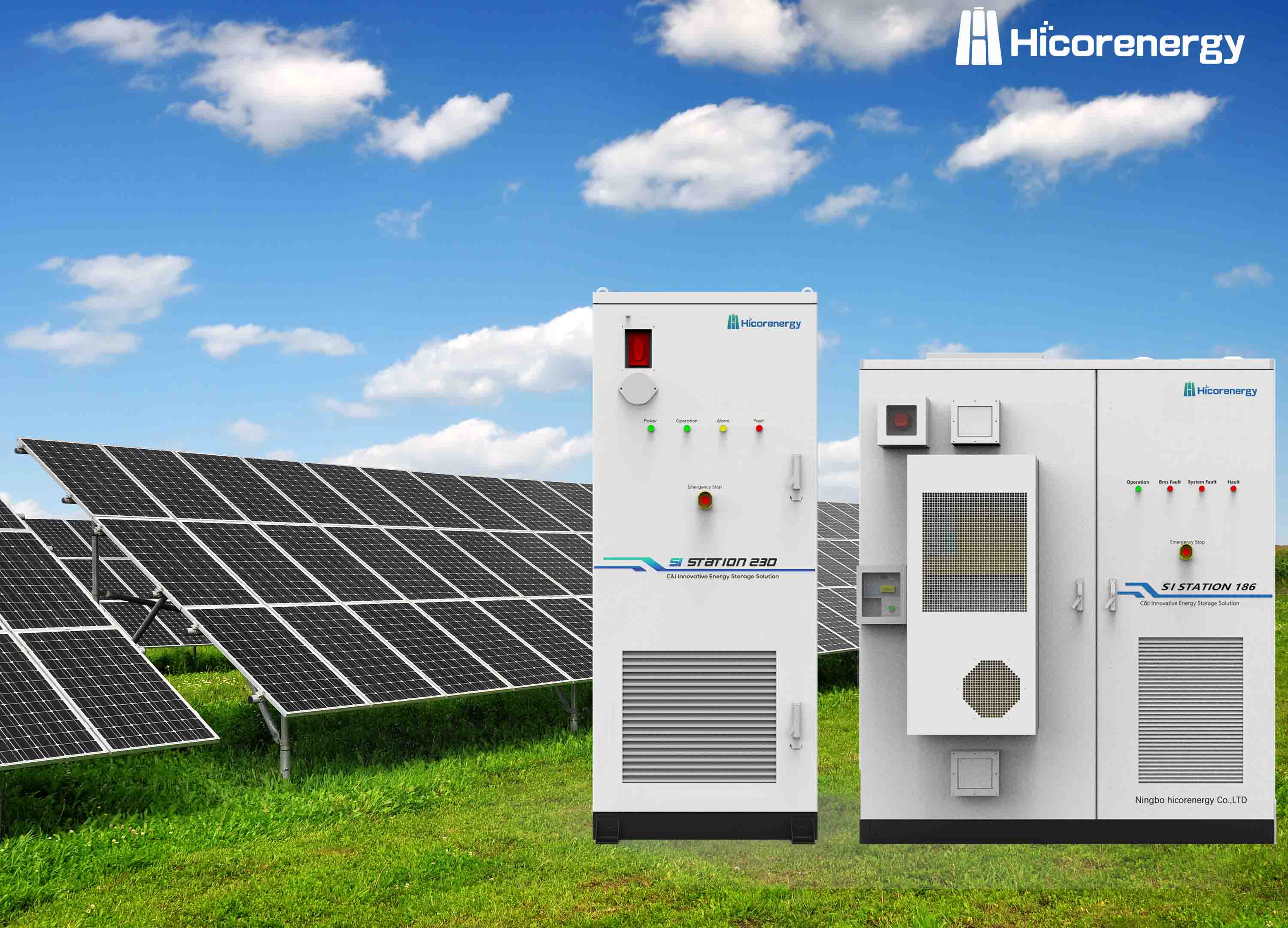
When compared with smaller systems like 10kWh or 50kWh residential units, a 230kWh system provides significantly greater storage, designed for commercial or industrial-scale needs. Hicorenergy offers scalable solutions across different capacities—from the compact Si LV1 residential batteries expandable up to 30.72kWh, to the I-BOX 48100R for home storage, and the Si Station 230, a liquid-cooled cabinet designed for large-scale deployment. This product range allows customers to match their exact energy requirements, whether for individual households, apartment complexes, or factories.
The Role of 230kWh Energy Storage in Renewable Energy and Backup Power
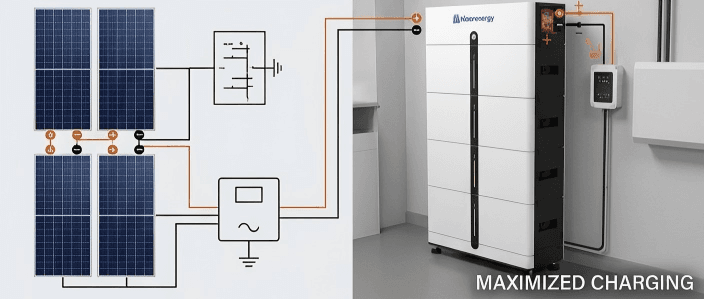
Integrating renewable energy sources such as solar or wind with a 230kWh system enables efficient storage of excess electricity, which can then be used during low-generation periods. For businesses in regions with unstable grids, it ensures continuous operation during outages. The system also plays a vital role in grid services, offering peak shaving, frequency regulation, and demand response. By improving energy reliability and optimizing renewable energy usage, it contributes to a lower carbon footprint.
Is a 230kWh Energy Storage System Worth the Investment in 2025?
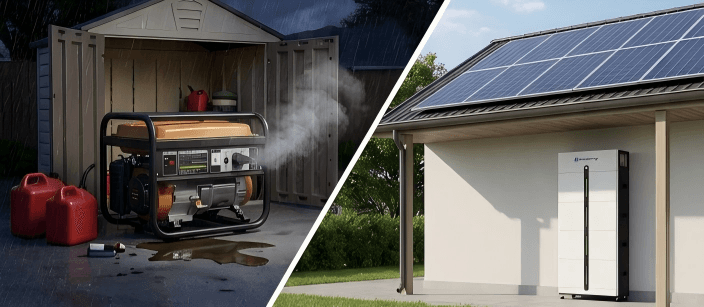
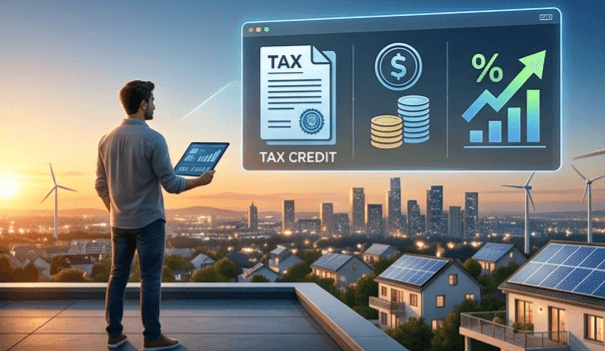
As energy prices fluctuate and power reliability becomes increasingly critical, a 230kWh system represents a strategic investment. In 2025, businesses face rising grid instability and stricter sustainability requirements. While the upfront cost can be substantial, long-term benefits include lower operational expenses, reduced reliance on diesel generators, and eligibility for government incentives in many regions. For enterprises with high energy consumption, the system’s ability to stabilize supply and cut costs justifies the investment, especially when sourced from reliable providers such as Hicorenergy.
Conclusion
Hicorenergy delivers safe, scalable, and efficient lithium battery solutions, ranging from compact residential units to large commercial and industrial systems, including the 230kWh Si Station 230.
For further information, contact us:
Email: info@hicorpower.com
WhatsApp: +86 18106663226