186kWh Battery Cabinet: Scalable and Reliable Energy Storage for Commercial and Industrial Use
HomeBlog186kWh Battery Cabinet: Scalable and Reliable Energy Storage for Commercial and Industrial Use

186kWh Battery Cabinet: Scalable and Reliable Energy Storage for Commercial and Industrial Use

  • News
Posted by Hicorenergy On Aug 13 2025

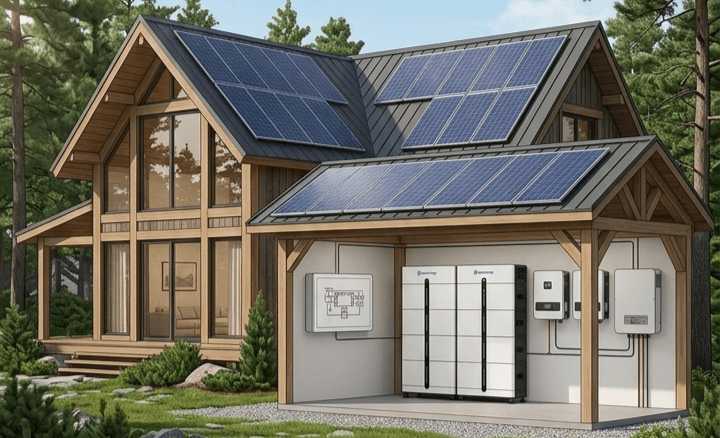
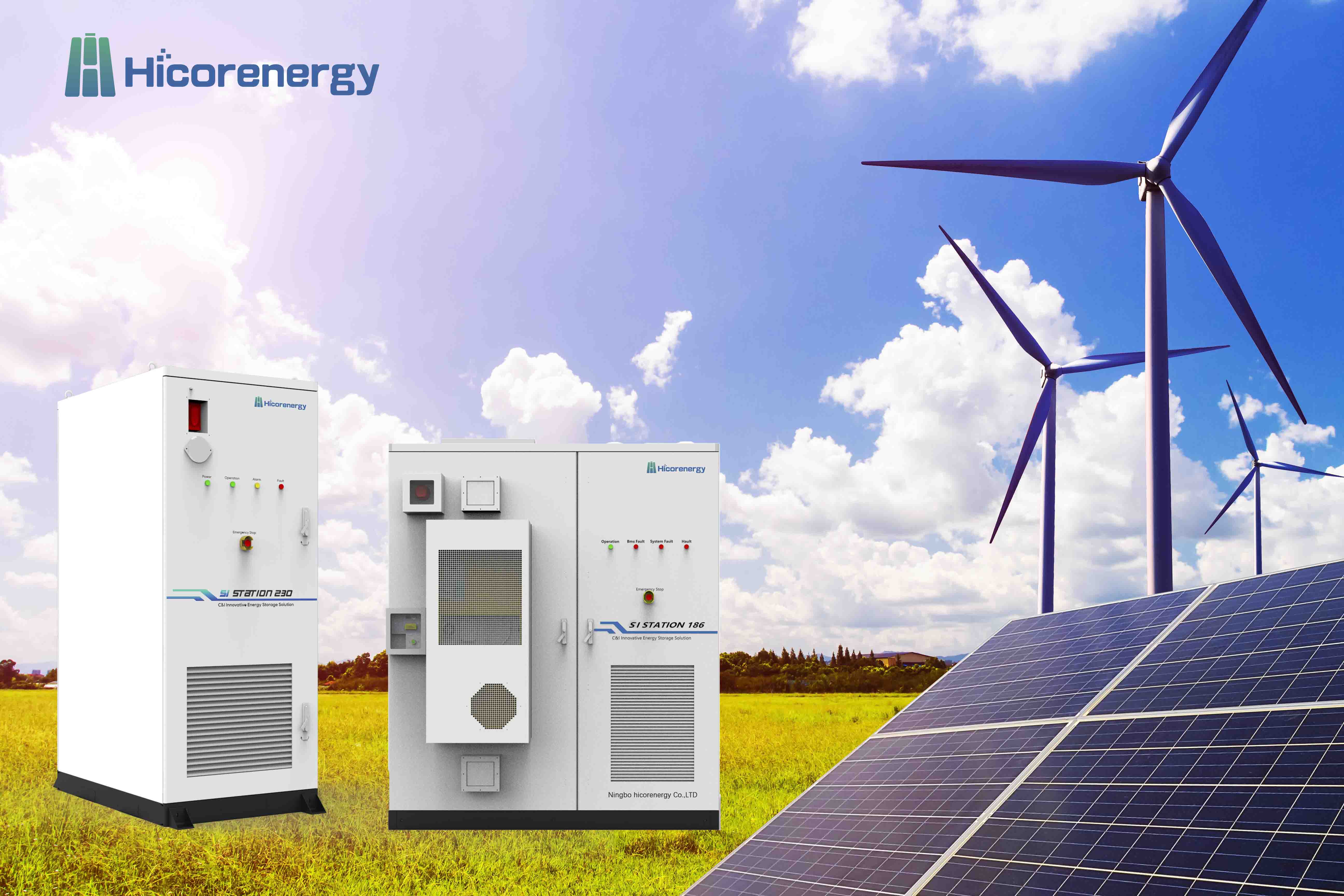
186kWh battery cabinet in a commercial energy storage application

186kWh Battery Cabinet: Scalable and Reliable Energy Storage for Commercial and Industrial Use

As industries and businesses continue to integrate renewable energy solutions and manage energy costs, high-capacity energy storage becomes essential. The 186kWh battery cabinet offers a reliable, scalable solution for large-scale energy storage, particularly in commercial and industrial applications.

Whether for solar storage, peak-shaving, or backup power, the 186kWh cabinet supports high-energy demands and ensures continuous, efficient energy supply.

Key Features of the 186kWh Battery Cabinet

The 186kWh battery cabinet is designed to handle significant energy loads while providing flexibility and reliability. Here are some of its key features:

  • High Capacity: With 186kWh of energy storage, this system is ideal for large facilities, such as commercial buildings, factories, solar farms, and microgrids.

  • Modular and Scalable: The 186kWh system is modular, meaning additional cabinets can be added as energy needs grow. This scalability makes it a flexible choice for businesses looking to expand their energy storage capacity.

  • Long Cycle Life: The system uses LiFePO4 chemistry, ensuring a long lifespan (up to 6000 cycles at 80% DOD) and lower total cost of ownership.

  • Compatibility: The system is compatible with most major solar inverters and energy management systems (EMS), ensuring easy integration with existing infrastructure.

  • Thermal Management: Advanced thermal management features ensure the battery operates within optimal temperature ranges, preventing overheating and ensuring safe operation.

Applications for the 186kWh Battery Cabinet

The 186kWh battery cabinet is versatile and well-suited for various commercial and industrial applications:

1. Solar + Storage for Commercial Buildings

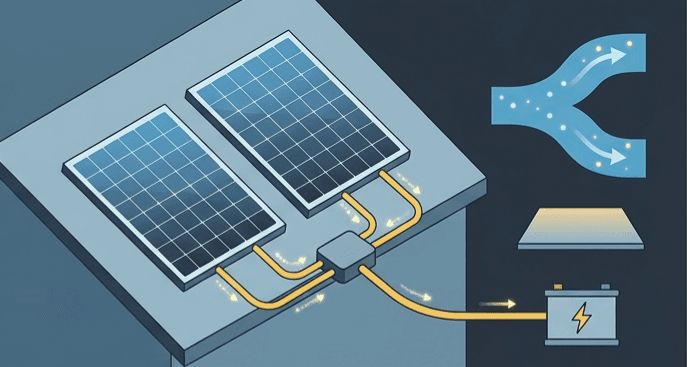
Scenario: A large office building or retail facility has a rooftop solar installation that generates excess energy during the day. Without energy storage, this excess energy is wasted.
Solution: The 186kWh battery cabinet stores the excess solar energy, allowing the building to use it during peak demand hours, such as in the evening or on cloudy days, reducing grid dependency and electricity bills.

Example: A supermarket with a solar array can use the 186kWh system to store solar energy and power refrigeration units during non-sunlight hours.

2. Industrial Backup Power and Peak-Shaving

Scenario: Manufacturing plants face high energy costs during peak hours, and a power outage can disrupt production, leading to significant losses.
Solution: The 186kWh battery cabinet can store energy during off-peak hours and discharge it during peak periods to reduce demand charges. It also provides backup power during outages, ensuring continuous operation of critical machinery.

Example: A factory can use the 186kWh system to store off-peak energy and provide backup power for essential systems like production lines, ensuring minimal downtime.

3. Off-Grid and Remote Energy Solutions

Scenario: Remote industrial or telecom sites often rely on off-grid power systems due to limited access to reliable grid infrastructure.
Solution: The 186kWh battery cabinet stores energy from renewable sources like solar or wind, providing consistent power even when generation is low or grid access is unavailable.

Example: A telecom tower in a rural area can rely on the 186kWh system to store solar energy and provide backup power for communication equipment during the night or cloudy days.

Benefits of the 186kWh Battery Cabinet

1. Scalability for Growing Energy Demands

The modular design of the 186kWh battery cabinet allows for easy expansion. As a business's energy needs grow, additional battery cabinets can be added to increase storage capacity, ensuring that businesses can meet future energy demands.

2. Lower Operating Costs

By integrating a 186kWh battery system with renewable energy sources, businesses can reduce their reliance on the grid, lowering electricity bills and avoiding peak demand charges. The system’s long cycle life also minimizes the need for frequent replacements and maintenance, leading to long-term cost savings.

3. Flexibility in Application

The 186kWh system is suitable for a wide range of applications, from solar storage to backup power and grid stabilization. Its compatibility with various inverter brands and energy management systems makes it a versatile solution for commercial and industrial energy storage.

4. Safe and Reliable Performance

With advanced thermal management and LiFePO4 battery technology, the 186kWh battery cabinet ensures safe operation even under heavy loads. The system’s high thermal stability reduces the risk of thermal runaway, ensuring the battery operates safely in a variety of environments.

The 186kWh Battery Cabinet for Commercial and Industrial Energy Storage

The 186kWh battery cabinet provides a high-capacity, scalable solution for commercial and industrial energy storage. Whether for solar storage, peak-shaving, or backup power, this system offers efficiency, reliability, and cost-effectiveness for large-scale applications.

For EPC contractors, OEM distributors, and industrial energy service providers, the 186kWh system offers a reliable, flexible energy storage solution that can be easily integrated into existing infrastructures and scaled to meet future energy needs.

Explore Hicorenergy’s battery storage systems or contact us for more information on our scalable energy storage solutions.

Categories

Featured Blogs

Share On

Contact us

Get in touch with us for more information about our products and services

Phone
By submitting, you agree to ourPrivacy Policy

Featured Blogs

Why Does Battery Power Measurement Matter for Optimizing Solar Storage Performance?

Why Does Battery Power Measurement Matter for Optimizing Solar Storage Performance?

1.How Accurate Power Measurement Maximizes Solar Self-Consumption and ROI 2.Key Metrics to Monitor: State of Charge, State of Health, and Round-Trip Efficiency 3.Essential Tools for Solar Battery Monitoring: From BMS Data to IoT Platforms? 4.Common Measurement Mistakes That Reduce Solar Storage Efficiency?

Read More
Why Does Lithium-Ion Dominate Industrial Energy Storage Solutions Over Flywheels and Flow Batteries?

Why Does Lithium-Ion Dominate Industrial Energy Storage Solutions Over Flywheels and Flow Batteries?

1.Lithium-Ion Batteries: The Market Leader in Industrial Energy Storage 2.Comparing Industrial Applications: When to Choose Lithium-Ion vs. Flywheels vs. Flow Batteries 3.Safety and Lifespan: How Lithium-Ion Stacks Up Against Flywheels and Flow Batteries 4.The Future of Industrial Storage: Lithium-Ion Advancements and Hybrid System Integration

Read More
Understanding Battery Cycles and Depth of Discharge (DOD): A Guide for Distributors and Installers

Understanding Battery Cycles and Depth of Discharge (DOD): A Guide for Distributors and Installers

1.What Is a Complete Cycle in Energy Storage? 2.Depth of Discharge (DOD) and Its Role in Battery Life 3.Partial vs. Complete Cycles: What’s the Difference? 4.How Battery Cycles Impact Warranty and Service Life 5.Maximizing Battery Lifespan: Tips for Reducing the Depth of Discharge 6.Where to Buy Reliable Energy Storage Systems for Distributors and Installers

Read More
Can Hicorenergy Batteries Be Connected in Series for Higher Voltage? A Guide for Distributors and Installers

Can Hicorenergy Batteries Be Connected in Series for Higher Voltage? A Guide for Distributors and Installers

1.Understanding Hicorenergy Batteries: Features and Specifications 2.Benefits of Connecting Batteries in Series for Higher Voltage 3.How to Safely Connect Hicorenergy Batteries in Series 4.Voltage Requirements and Compatibility for Series Connections 5.Potential Risks and Safety Considerations When Connecting in Series 6.Where to Buy Hicorenergy Batteries for Distributors and Installers

Read More
Are Wall Mount Batteries Safe? Answering 5 Common Homeowner Questions

Are Wall Mount Batteries Safe? Answering 5 Common Homeowner Questions

1.What Are the Primary Safety Standards for Wall Mount Batteries? 2.Can a Wall Mount Battery Overheat or Cause a Fire? 3.Is It Safe to Install a Wall-Mounted Battery Indoors? 4.How Do Modern Batteries Prevent Electrical Hazards? 5.Final Verdict: Balancing Safety with Home Energy Independence

Read More
What Does the Regulator’s Crucial Warning Reveal About the Sigenergy Plug Incident for Distributors and Installers?

What Does the Regulator’s Crucial Warning Reveal About the Sigenergy Plug Incident for Distributors and Installers?

1.Incident Analysis: What Happened with the Sigenergy Melted Plugs? 2.Regulator's Key Findings and Mandatory Safety Directives 3.Supply Chain Vigilance: How Distributors Can Mitigate Component Risk 4.Installer Checklist: Verifying Product Compliance and Safe Installation Practices 5.Beyond the Recall: Building Long-Term Trust in Energy Storage Brands 6.Proactive Risk Management: Resources for Staying Ahead of Safety Standards

Read More
attitude

It's All About Attitude!