

Loading...
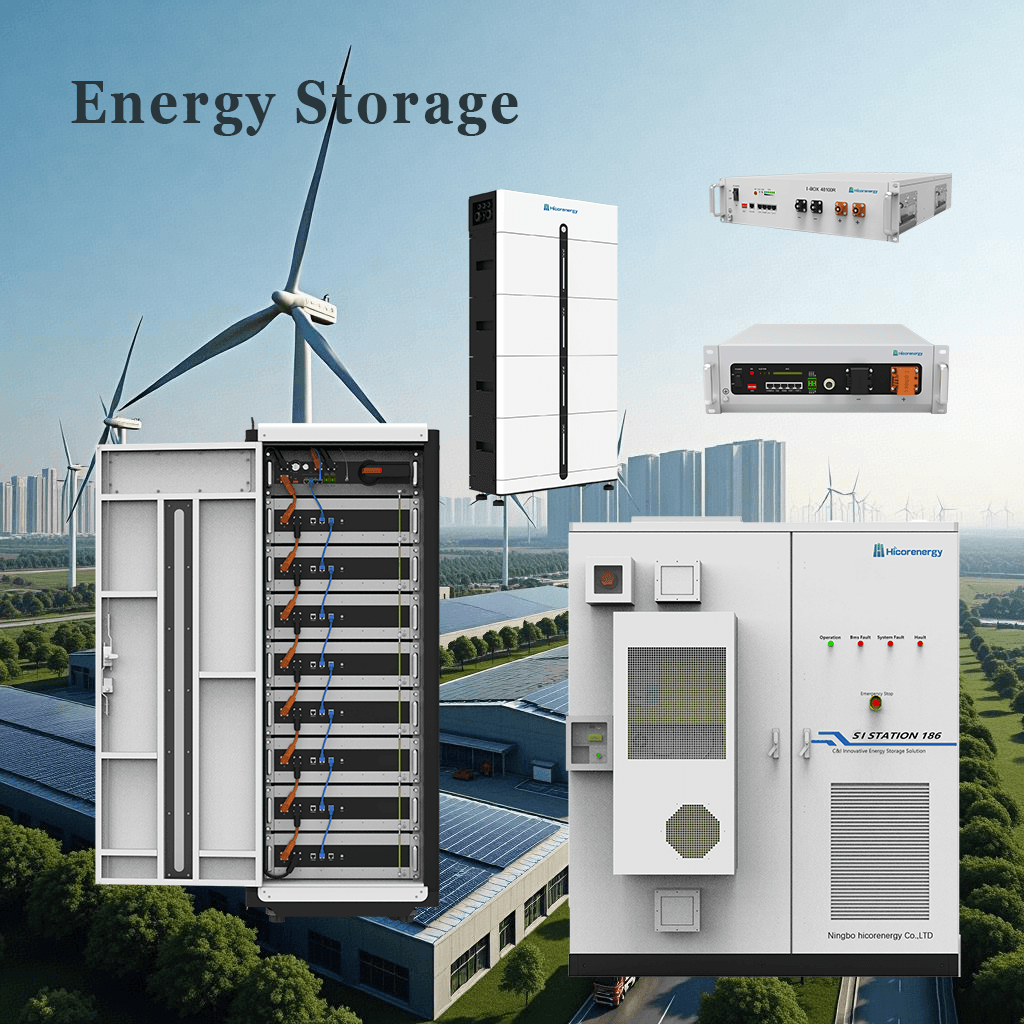
1.Introduction to Air-Cooled Battery Systems 2.Why Air Cooling Battery Systems Are in High Demand 3.Applications and Use Cases of Air-Cooled Battery Systems 4.Hicorenergy Solutions for Air-Cooled Energy Storage 5.Overcoming the Limitations of Air Cooling 6.Key Benefits of Air Cooling Systems
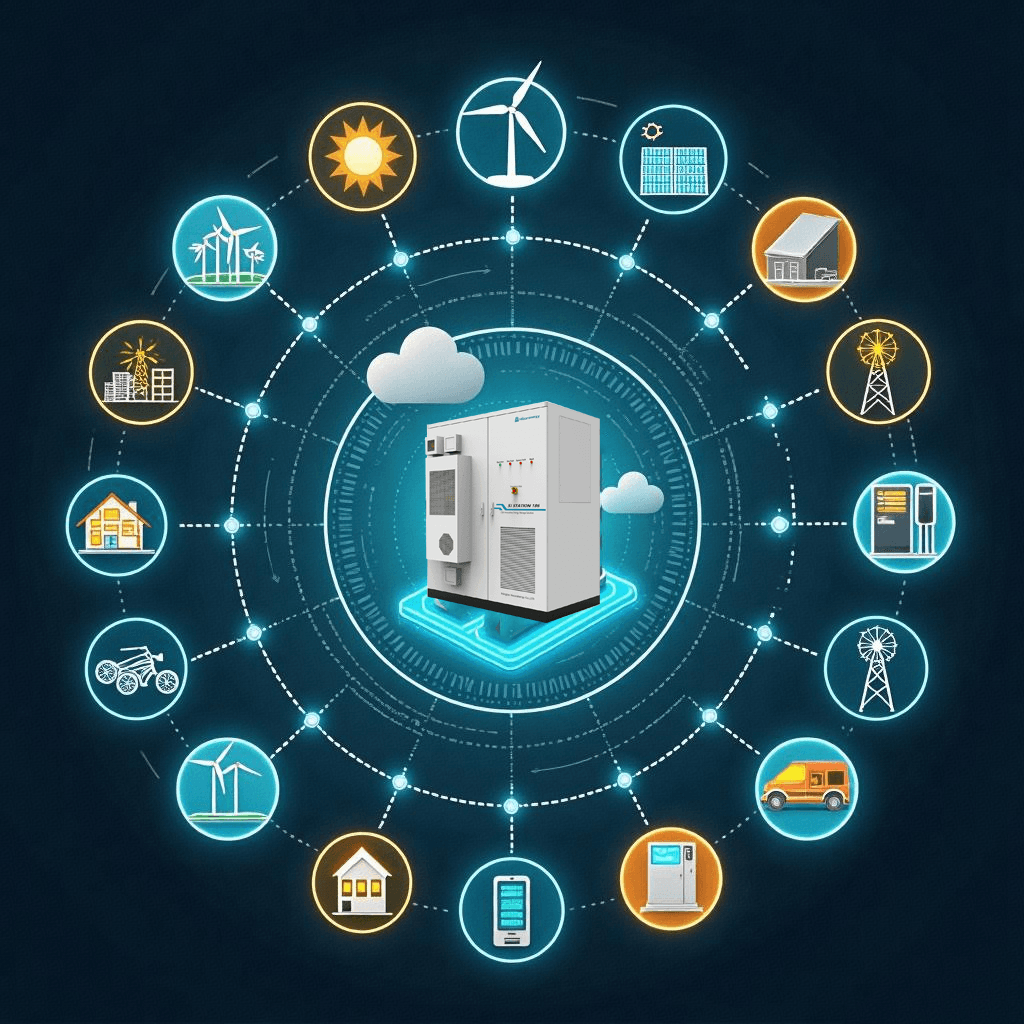
1.Introduction to Liquid-Cooled Battery Cabinets 2.What Makes Liquid Cooling Different from Traditional Systems 3.Advantages of Liquid Cooling in High-Power Applications 4.Ideal Applications for Liquid-Cooled Battery Systems 5.Hicorenergy Liquid Cooling Solutions 6.The Future of Liquid-Cooled Energy Storage
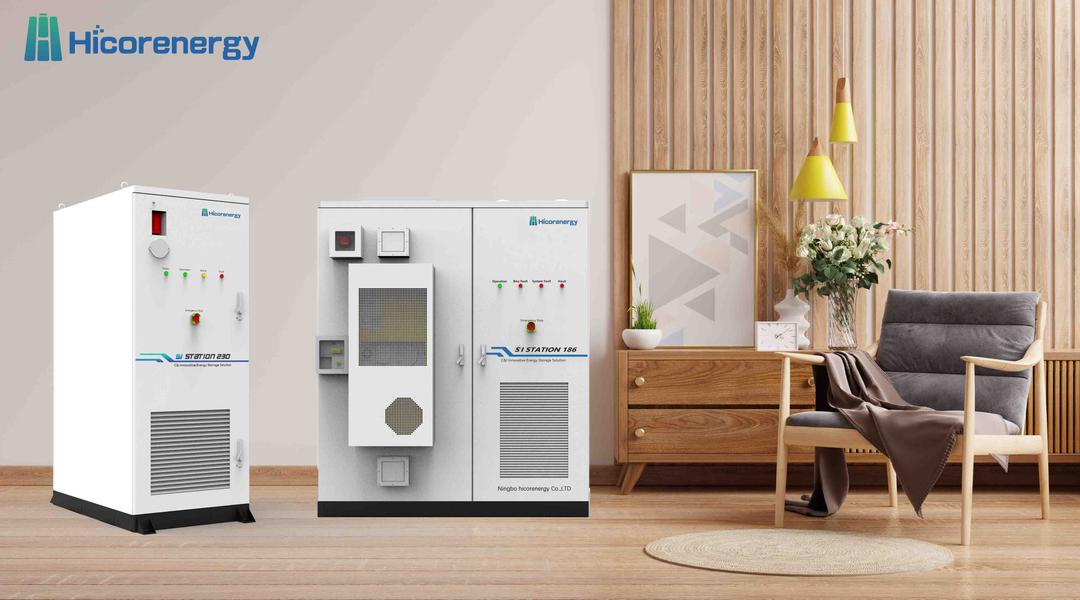
High voltage battery cabinets are critical for large-scale energy storage solutions in commercial and industrial applications. This article provides in-depth technical insights into how high voltage systems improve energy efficiency, scalability, and integration for demanding industries.
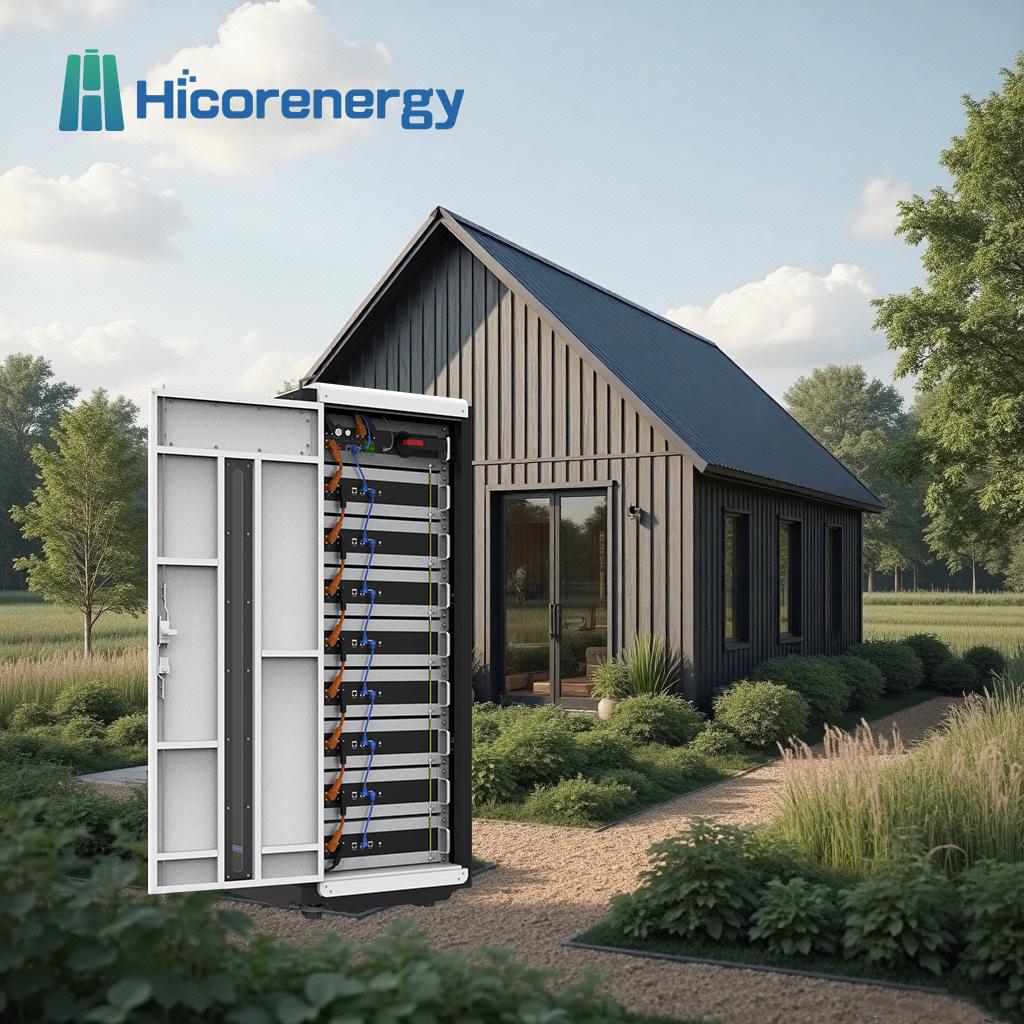
C&I (Commercial and Industrial) energy storage systems are essential for businesses seeking energy resilience and cost savings. This guide explores how businesses can leverage battery energy storage systems for solar, backup, and peak-shaving, focusing on the technical and logistical considerations of C&I storage.
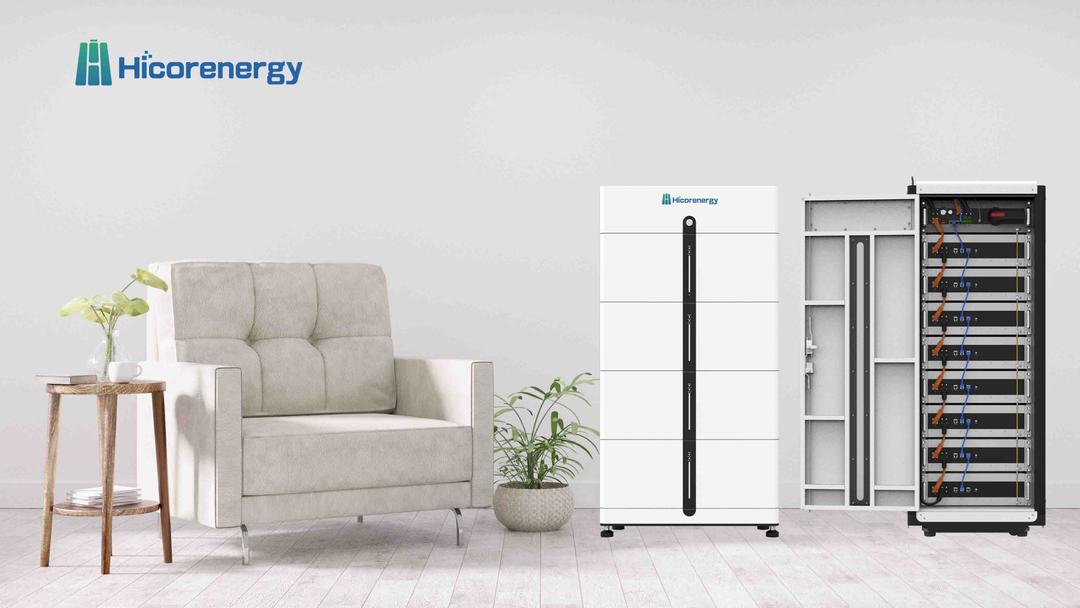
Stacked battery systems offer unmatched scalability for energy storage projects. This article explores how stacked batteries work, why they’re ideal for residential and commercial energy solutions, and how EPCs and installers can take advantage of their flexibility.
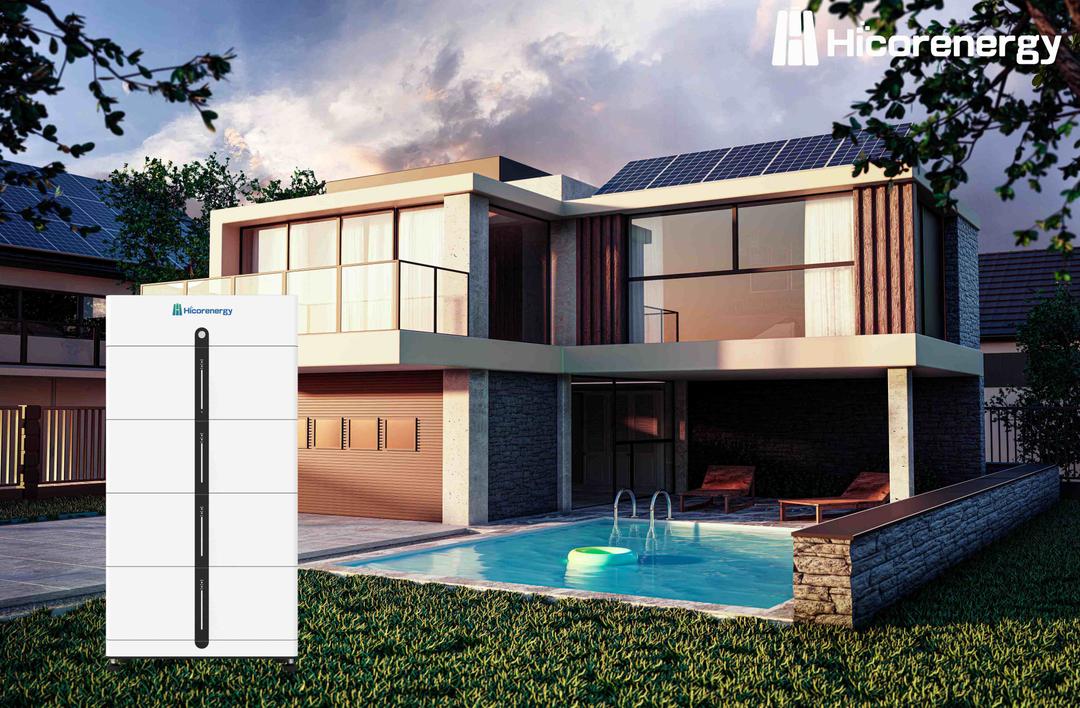
Battery capacity directly impacts system design, cost, and customer satisfaction. This guide helps installers, EPCs, and OEM partners decide when to recommend 5kWh, 10kWh, or 30kWh battery systems for solar, backup, and hybrid applications.
1.Introduction to Air-Cooled Battery Systems 2.Why Air Cooling Battery Systems Are in High Demand 3.Applications and Use Cases of Air-Cooled Battery Systems 4.Hicorenergy Solutions for Air-Cooled Energy Storage 5.Overcoming the Limitations of Air Cooling 6.Key Benefits of Air Cooling Systems
1.Introduction to Liquid-Cooled Battery Cabinets 2.What Makes Liquid Cooling Different from Traditional Systems 3.Advantages of Liquid Cooling in High-Power Applications 4.Ideal Applications for Liquid-Cooled Battery Systems 5.Hicorenergy Liquid Cooling Solutions 6.The Future of Liquid-Cooled Energy Storage
High voltage battery cabinets are critical for large-scale energy storage solutions in commercial and industrial applications. This article provides in-depth technical insights into how high voltage systems improve energy efficiency, scalability, and integration for demanding industries.
C&I (Commercial and Industrial) energy storage systems are essential for businesses seeking energy resilience and cost savings. This guide explores how businesses can leverage battery energy storage systems for solar, backup, and peak-shaving, focusing on the technical and logistical considerations of C&I storage.
Stacked battery systems offer unmatched scalability for energy storage projects. This article explores how stacked batteries work, why they’re ideal for residential and commercial energy solutions, and how EPCs and installers can take advantage of their flexibility.
Battery capacity directly impacts system design, cost, and customer satisfaction. This guide helps installers, EPCs, and OEM partners decide when to recommend 5kWh, 10kWh, or 30kWh battery systems for solar, backup, and hybrid applications.
