High Voltage Battery Cabinets: Advanced Energy Storage Solutions for Commercial and Industrial Applications
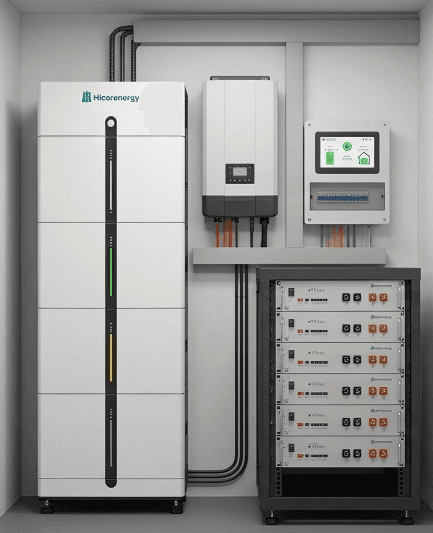
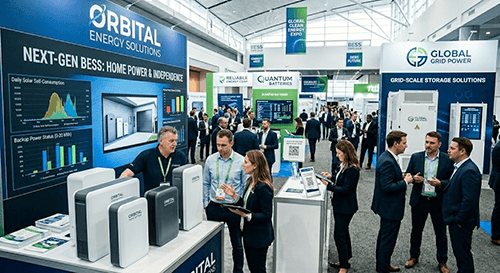
As industries shift toward sustainable energy solutions, high voltage battery cabinets have emerged as a critical component for large-scale energy storage systems. These systems support industries in managing peak energy loads, reducing grid dependency, and maximizing efficiency in energy use.
For commercial and industrial applications, high voltage battery cabinets offer solutions to challenges like energy storage for solar power, grid stability, and emergency backup, while providing scalable and reliable power in a variety of settings.
Understanding High Voltage Battery Cabinets for Industrial Use
High voltage battery cabinets typically range from 400V to 1000V, making them ideal for large-scale energy storage projects. These systems are typically used to store energy generated from solar panels, wind turbines, or the grid, and can be deployed for various applications:
-
Grid stabilization
-
Peak load management
-
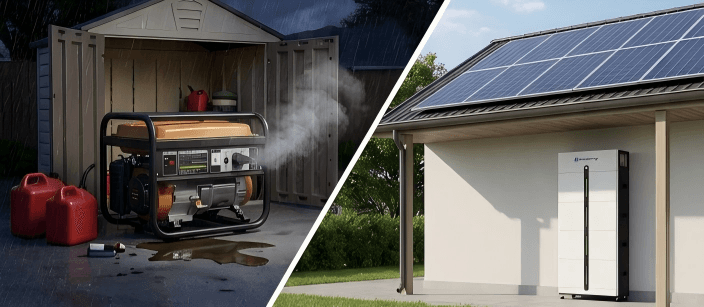
Backup power during outages
-
Solar energy storage
-
Microgrid applications
These systems are increasingly preferred in commercial and industrial energy storage due to their efficiency in managing large-scale energy demands, lowering costs, and enabling future energy independence.
Industrial and Commercial Applications for High Voltage Battery Cabinets
High voltage energy storage systems are used in various commercial and industrial settings to address specific energy needs:
1. Commercial Solar + Storage Solutions
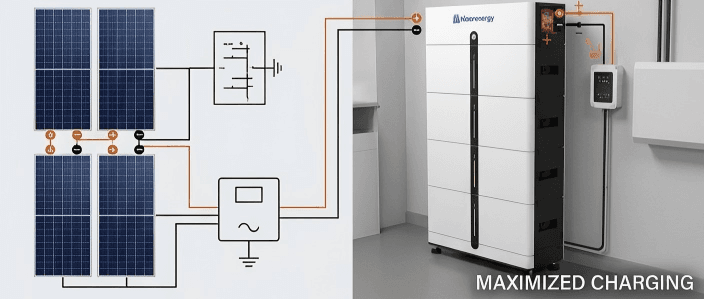
High voltage systems are a perfect fit for commercial solar installations where energy demands fluctuate throughout the day. These systems store excess solar power generated during the day and provide backup power during peak hours or grid outages.
-
Application Insight: High voltage systems can be paired with solar inverters to provide energy independence, reduce utility bills, and support demand-side management for businesses like retail chains, supermarkets, and office buildings.
2. Peak Shaving for Manufacturing Plants
Industrial plants often face high energy costs during peak demand periods. A high voltage battery system can store energy during off-peak times and discharge it during peak demand, effectively reducing energy costs and stabilizing energy supply for critical equipment.
-
Application Insight: Battery energy storage systems are used to optimize energy usage, ensuring that equipment such as HVAC systems, production lines, and machinery remain operational without interruptions.
3. Microgrid Applications
For remote locations or areas with unreliable grid access, microgrids powered by high voltage battery systems are becoming a popular solution. These systems provide consistent and reliable energy to off-grid locations, such as mining sites, military bases, or remote telecom stations.
-
Application Insight: High voltage systems allow independent operation of off-grid systems, ensuring continuous energy supply without relying on the central grid.
Addressing Challenges in High Voltage Storage Systems
While high voltage energy storage offers numerous advantages, there are specific challenges to be aware of in C&I storage projects:
-
Installation Complexity: Installing high voltage systems requires careful planning and professional expertise. Ensuring that the system is correctly configured and integrated with existing infrastructure is essential for performance and safety.
-
Regulatory Compliance: High voltage battery cabinets must meet local regulatory standards. Ensuring compliance with certifications such as CE, UL, and IEC 62619 is critical for grid connection and ensuring product reliability.
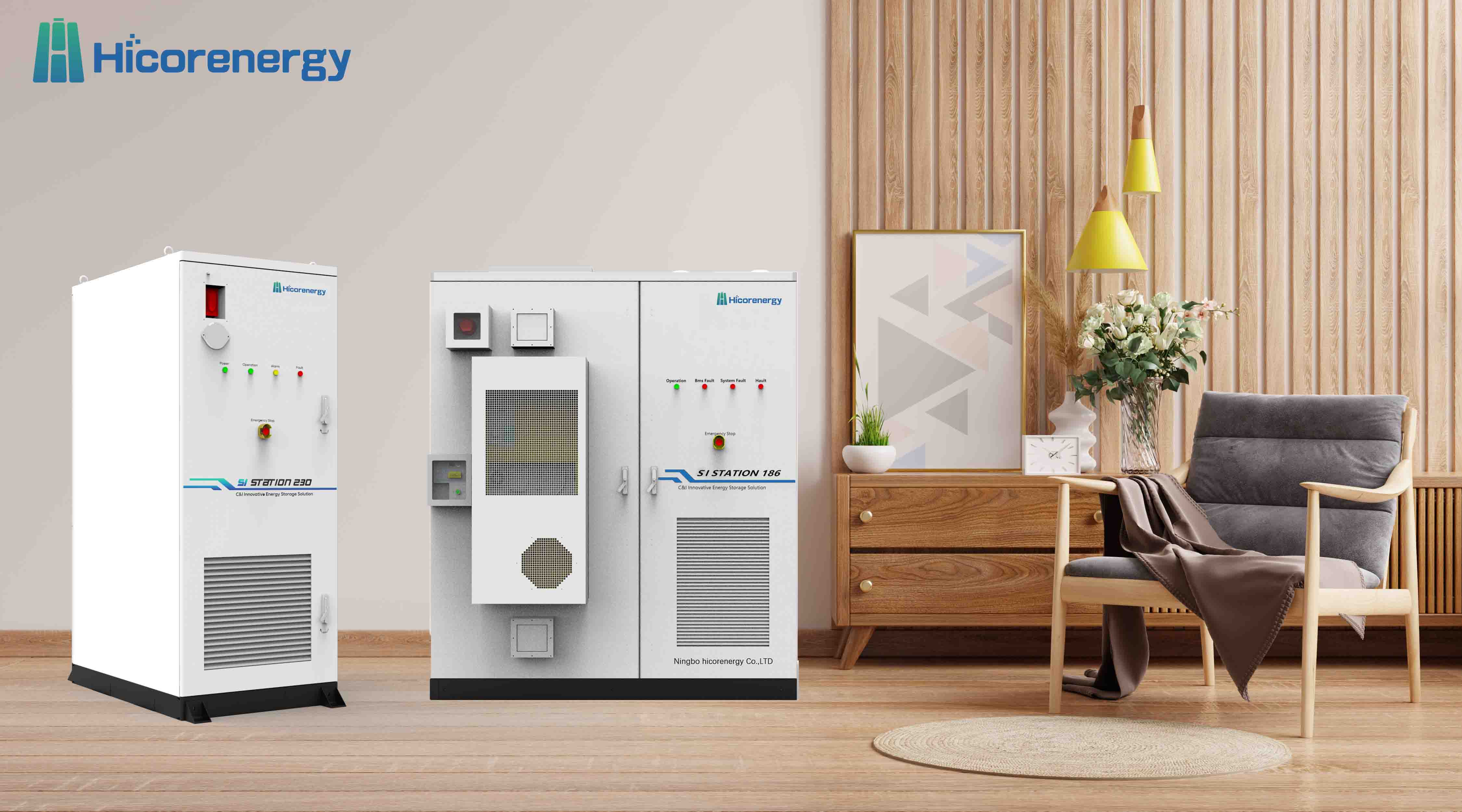
Hicorenergy’s pre-certified high voltage battery systems come fully compliant with international standards, reducing the complexity of regulatory approvals and speeding up project timelines.
Conclusion: High Voltage Energy Storage as the Backbone of Industrial Power Solutions
For C&I energy storage solutions, high voltage battery cabinets offer the perfect balance of scalability, efficiency, and reliability. They allow businesses to manage their energy consumption, reduce operational costs, and ensure system resilience in a rapidly changing energy landscape.
By leveraging high voltage storage, OEM distributors, EPC contractors, and energy service providers can position themselves to lead the way in renewable energy adoption, peak demand management, and grid stability.
Explore Hicorenergy’s high voltage battery systems or contact us to learn more about scalable, reliable solutions for commercial and industrial energy storage.