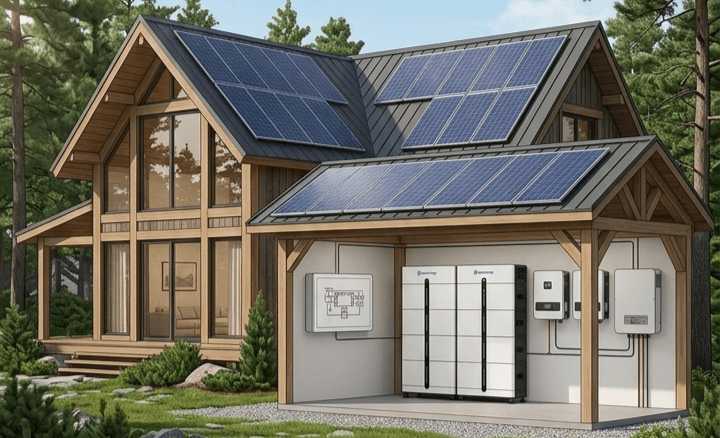
 In 2026, the 10 kW (10 kWh battery) is becoming the preferred choice for residential solar + storage systems. Driven by falling solar battery cost, smarter energy management, and growing demand for home battery backup during outages, 10 kW batteries now offer the ideal balance between capacity, affordability, and flexibility for modern homes.
Cost Efficiency & Payback: Why 10 kW Batteries Are Becoming Mainstream in 2026
One of the biggest reasons for the rapid adoption of the 10 kWh battery is improved cost efficiency. Compared with oversized systems, a 10 kWh battery delivers enough usable energy for most households without unnecessary upfront investment. In 2026, declining lithium battery prices and optimized system design have significantly reduced overall solar battery cost, shortening payback periods to 5–7 years in many markets.
Homeowners often ask, what can a 10 kWh battery run? In real-world use, a 10 kWh battery can power essential loads such as lighting, refrigeration, Wi-Fi, TVs, and even air conditioning for several hours. When paired with solar panels, the same 10 kWh battery supports daytime self-consumption and nighttime energy use, reducing grid dependence and monthly bills. As electricity tariffs rise globally, the economic logic of a 10 kWh battery becomes increasingly compelling for long-term savings.
EV Integration & Energy Management: How 10 kW Storage Systems Power Homes and Cars
As electric vehicles become mainstream, energy storage systems are no longer just about household power. A 10 kWh battery now plays a central role in whole-home energy ecosystems. With smart inverters and energy management systems, homeowners can prioritize loads, schedule charging, and balance power between solar generation, home battery backup, and EV charging.
This integration is transforming how families think about energy. A 10 kWh battery doesn’t just store solar power—it actively manages it. In the next sections, we’ll explore how software intelligence and grid independence are accelerating the shift toward smarter, more resilient energy storage solutions in 2026.
Smarter Storage: AI and Software Advances in 2026 Home Battery Systems
In 2026, the intelligence behind a 10 kWh battery is just as important as the hardware itself. AI-driven software enables predictive charging, load forecasting, and real-time optimization based on weather, consumption patterns, and electricity pricing. These features maximize the value of every stored kilowatt-hour while extending battery lifespan.
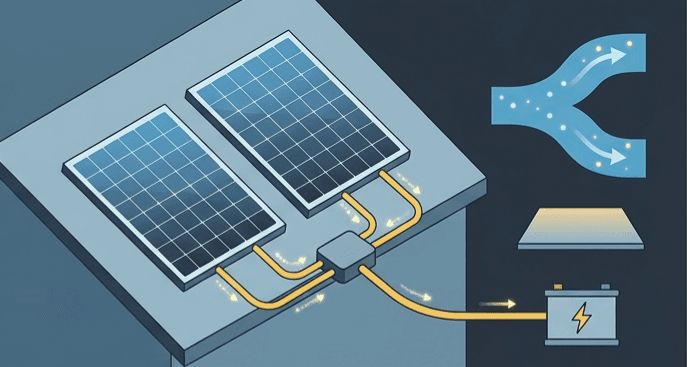
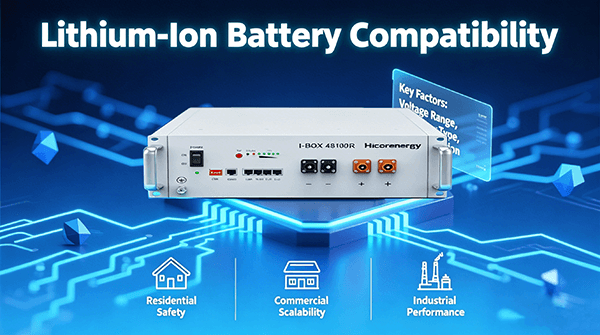
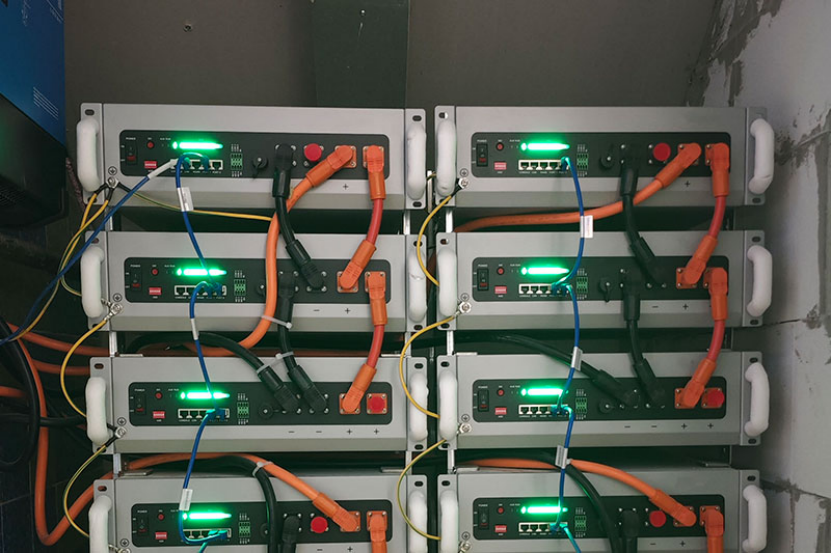
Advanced systems can automatically decide when to store solar energy, when to discharge to the home, and when to export to the grid. For homeowners focused on home battery backup, AI ensures critical loads are always protected during power outage backup power events. Hicorenergy’s solutions, such as the SI LV1 and iBox48100R, integrate modular design with intelligent battery management systems, making it easier to scale a 10 kWh battery setup as household needs grow. Smarter software means higher efficiency, lower costs, and a more reliable energy experience.
Grid Independence and Backup Power: The Rising Demand for 10 kW Battery Resilience
Grid instability and extreme weather are driving strong demand for reliable power outage backup power. A 10 kWh battery offers the ideal capacity for residential resilience, providing stable electricity during blackouts without the noise or fuel dependency of generators. For many households, a single 10 kWh battery can keep essential appliances running overnight, while solar panels recharge the system during the day.
This level of independence is especially valuable in regions with frequent outages or weak grids. Homeowners increasingly choose a 10 kWh battery as a long-term energy security investment, ensuring comfort, safety, and continuity. With scalable systems like Hicorenergy’s iBox48100R, users can expand beyond a single 10 kWh battery to match growing energy demands, reinforcing both independence and peace of mind.
Powering the Future with Hicorenergy
Hicorenergy offers advanced home battery backup solutions, including SI LV1 and iBox48100R, designed for efficient, scalable 10 kWh battery systems. Built for safety, intelligence, and long-term performance, our products support reliable solar + storage integration worldwide.
For further information or technical support, please contact
Email: info@hicorpower.com
WhatsApp: +86 181-0666-3226