 Sustainable Energy Storage Systems are becoming critical in 2025 as homes, businesses, and utilities shift toward cleaner and more reliable power. This guide explains what sustainable storage is, the top technologies, key applications, and how to select the right solution for long-term energy resilience.
What Is Sustainable Energy Storage? The Key Pillar of Renewable Energy
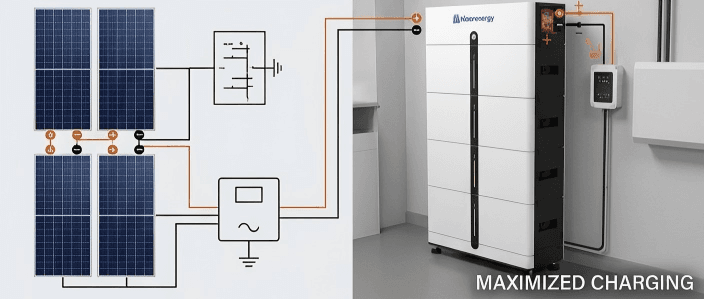
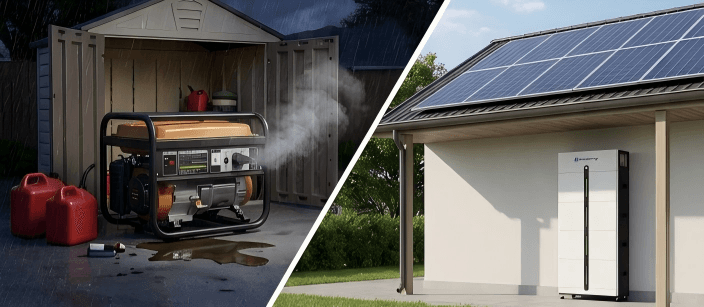
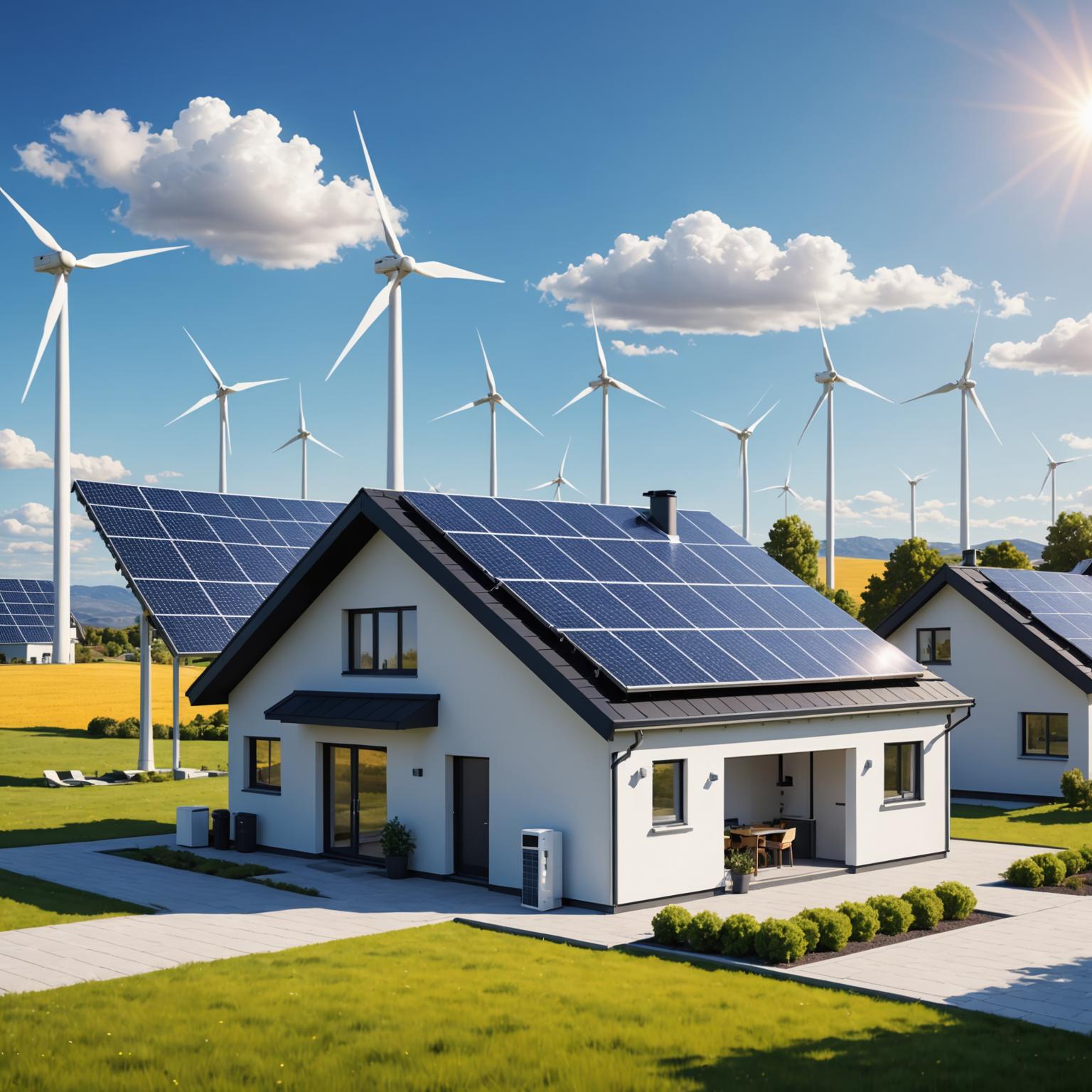
Sustainable energy storage refers to technologies that capture and store electricity generated from renewable sources—such as solar and wind—and release it when needed. As global demand for clean power accelerates, Energy Storage Systems have become essential for ensuring grid stability, reducing carbon emissions, and enhancing energy independence. At the core of modern sustainable storage is lithium-ion battery storage, widely valued for high efficiency, long cycle life, and versatility in applications ranging from home energy storage systems to utility-scale operations. By enabling reliable power availability and reducing reliance on fossil-fuel backup generators, sustainable energy storage supports a more resilient and environmentally responsible energy future.
Top 5 Energy Storage Technologies Explained: From Lithium-Ion to Pumped Hydro
Today’s Energy Storage Systems include advanced lithium-ion batteries, flow batteries, pumped hydro, compressed air, and thermal storage. Each technology offers unique benefits, with lithium-ion leading due to efficiency and cost advantages. Understanding these options helps users choose solutions aligned with their performance, safety, and budget requirements.
Key Applications of Storage Systems: Residential, Grid-Scale, and Electric Vehicles
Energy Storage Systems now play vital roles across homes, industries, and transportation. Residential solar battery storage ensures backup power during outages, reduces electricity bills, and stabilizes household consumption during peak hours. For grid-scale use, storage enhances grid flexibility, supports renewable integration, and helps utilities manage load fluctuations effectively.
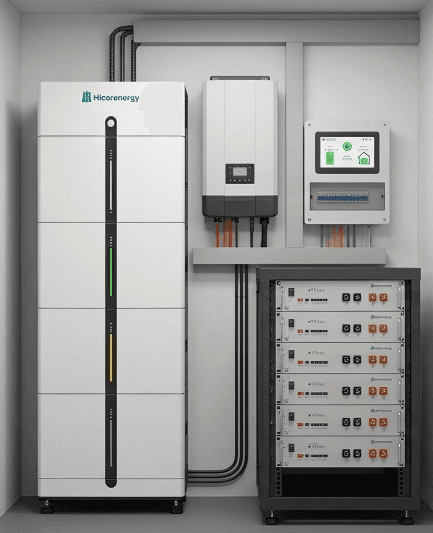
Electric vehicles rely heavily on advanced lithium-ion battery storage, enabling longer driving ranges and faster charging. In this context, suppliers such as Hicorenergy provide high-reliability residential and C&I storage products, including the I-BOX 48100R and Si LV1 series, both engineered for long cycle life and strong performance in demanding environments. These solutions ensure reliable operation in diverse global markets, including Africa, Southeast Asia, North America, and Europe, where power stability and energy costs are critical concerns.
How to Choose & Optimize: Selecting the Right Energy Storage Solution for Your Needs
Choosing the right Energy Storage Systems requires evaluating several factors: energy consumption patterns, backup requirements, renewable integration plans, and environmental conditions. For homeowners, priority considerations include safety, longevity, and compatibility with existing solar systems. Residential energy storage battery solutions must feature robust protection mechanisms, efficient battery management, and flexible installation options.
For commercial or industrial users, scalability, remote monitoring, and maintenance-free operation are key decision points. Reputable energy storage suppliers like Hicorenergy offer advanced systems such as the C5° and SHV48100, both providing high efficiency, remote monitoring features, and wide operating temperature capabilities. Selecting a system supported by strong after-sales service ensures optimized performance throughout its lifecycle.
Summary
Sustainable Energy Storage Systems are central to achieving reliable, efficient, and clean power in 2025. With advanced lithium-ion technologies and global service capabilities, Hicorenergy delivers dependable residential and C&I storage solutions that support a stable and sustainable energy future.
Contact: info@hicorpower.com | WhatsApp: +86 181-0666-3226