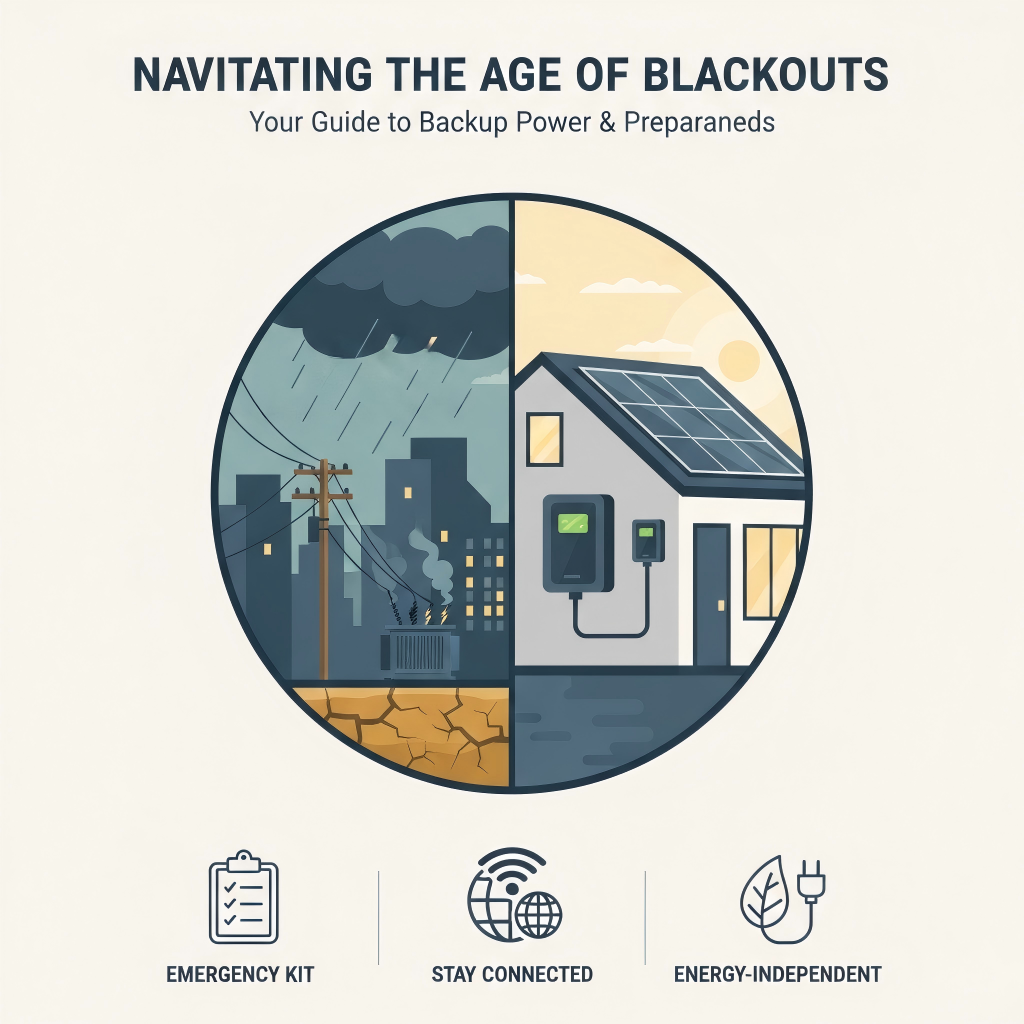
 Power outages are becoming more frequent worldwide due to extreme weather, aging grids, and rising electricity demand. This article explores the main causes of blackouts, explains why modern backup power is essential, and provides a practical preparedness checklist. It also guides homeowners and businesses on choosing the right home battery system to stay safe, connected, and energy-independent during outages.
Common Causes of Power Failures: Extreme Weather and Grid Failures
Extreme weather events remain the leading cause of power outages globally. Storms, hurricanes, heatwaves, floods, and heavy snowfall can damage transmission lines, substations, and transformers in a matter of hours. As climate patterns become more unpredictable, utilities struggle to maintain stable electricity delivery, especially in regions with limited grid resilience.
Another major factor is aging grid infrastructure. In many countries, power systems were built decades ago and were not designed to handle today’s electricity loads or distributed renewable energy sources. Overloaded equipment, insufficient maintenance, and delayed upgrades often result in cascading failures.
In addition, rapid urbanization and industrial growth increase electricity demand beyond grid capacity. Human errors, equipment failures, cyber incidents, and scheduled maintenance can also trigger unexpected blackouts. Together, these risks highlight why relying solely on the public grid is no longer sufficient for homes or businesses that require continuous power.
How to Prepare for a Blackout: Home Backup Power Solutions
Understanding the causes of outages is only the first step; preparation is what truly protects households and businesses. Backup power solutions bridge the gap between grid failure and daily energy needs, ensuring that lighting, refrigeration, communication devices, and critical equipment remain operational.
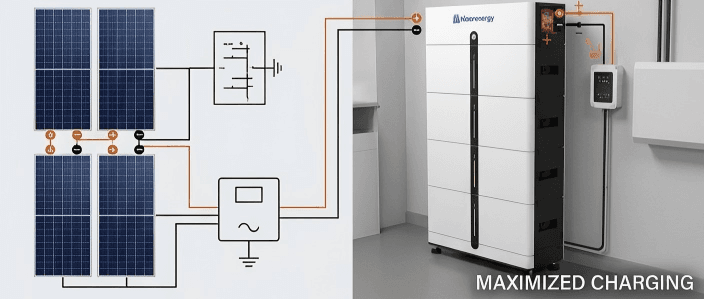
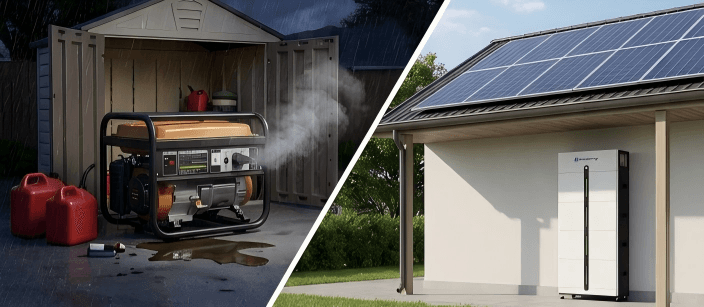
Modern home energy storage systems provide a cleaner, quieter, and more reliable alternative to traditional generators. When paired with solar panels or charged from the grid during off-peak hours, batteries can deliver instant power without fuel dependency. For homeowners and commercial users alike, investing in backup power is no longer a luxury but a strategic measure to maintain safety, comfort, and productivity during prolonged outages.
Choosing a Home Battery Backup System: A Buyer’s Guide
Selecting the right home battery backup system requires evaluating several key factors beyond just capacity and price. Battery chemistry is critical; lithium iron phosphate (LiFePO4) batteries are widely recognized for their safety, long cycle life, and thermal stability. System lifespan, warranty terms, and round-trip efficiency also directly affect long-term value.
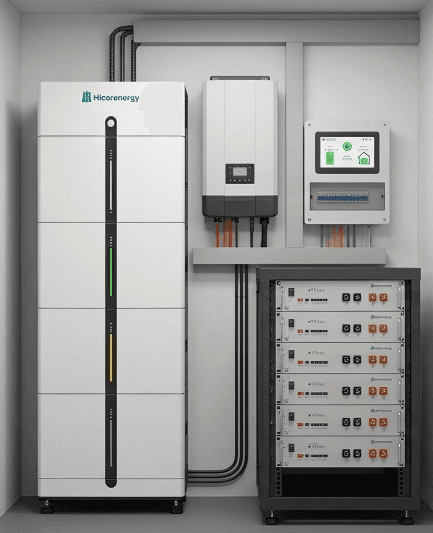
Compatibility is another essential consideration. A reliable battery system should work seamlessly with major inverter brands and support flexible installation options, whether wall-mounted, floor-standing, or rack-based. Scalability is particularly important for households planning future expansion, electric vehicle charging, or increased solar generation.
Equally important is smart energy management. Features such as remote monitoring, real-time data visualization, and automatic alerts enable users to optimize energy use and detect issues early. Finally, buyers should assess the supplier’s global service capability, technical support, and product certifications to ensure dependable performance under real-world conditions.
Ultimate Power Outage Preparedness Checklist: Safety and Supplies
A comprehensive power outage preparedness plan goes beyond installing a battery system. Safety should always come first. Households should ensure proper surge protection, fire safety equipment, and clear operating instructions for all backup power devices. Critical circuits—such as those powering medical equipment, security systems, or internet routers—should be prioritized.
Essential supplies are equally important. This includes emergency lighting, fully charged communication devices, basic first-aid kits, and adequate food and water reserves. For longer outages, energy-efficient appliances and load management habits help extend available backup power.
Regular system checks complete the checklist. Batteries should be inspected periodically, software kept up to date, and emergency procedures reviewed with all household members. With the right preparation, power outages become manageable disruptions rather than serious threats to safety or daily life.
About Hicorenergy Energy Storage Solutions
Hicorenergy is a global lithium battery solution provider with over 20 years of industry expertise. Its residential and commercial energy storage systems are designed for safety, long service life, high efficiency, and flexible scalability, supporting reliable backup power and smarter energy use worldwide.
Contact Information:
Email: info@hicorpower.com
WhatsApp: +86 181-0666-3226