Choosing the Right ESS: Wall-Mounted vs. Cabinet Systems Explained
Selecting the rightEnergy Storage System (ESS)is a crucial step in building a reliable and efficient power solution. Whether you're installing a home solar setup or managing an industrial facility, understanding the difference betweenwall-mounted ESS unitsandcabinet-style systemscan save time, money, and ensure long-term performance. At Hicorenergy, we guide clients to match their energy needs with the right form factor.
What Is a Wall-Mounted ESS?
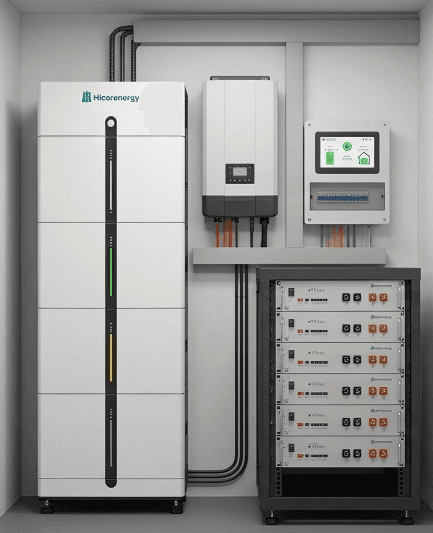
Wall-mounted ESS units are compact lithium battery systems typically installed indoors in residential or small commercial environments. They're designed for:
-
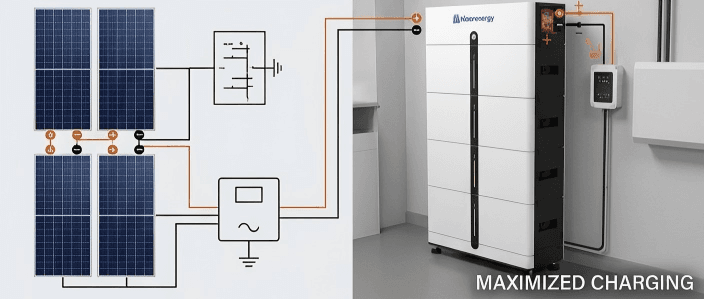
Daily solar energy storage
-
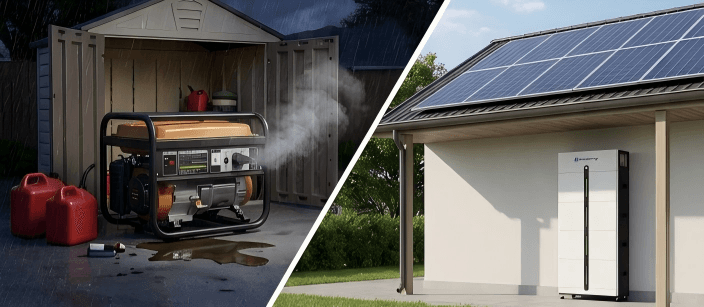
Backup power during grid outages
-
Smart home integration and app-based monitoring
At Hicorenergy, ourhome ESS solutionsrange from 5kWh to 30kWh, supporting brands like Growatt, Deye, and Victron. Their sleek design saves floor space and makes installation straightforward—ideal for homeowners, villas, and light commercial projects.
Best for:
-
Residential rooftop solar
-
Apartments or villas
-
Limited space environments
-
Easy backup power installation
What Is a Cabinet ESS System?
Cabinet-based ESSsystems are heavy-duty energy storage units often used in commercial, industrial, or off-grid setups. They support higher capacities (e.g., 100kWh to 500kWh+), come with air or liquid cooling options, and often integrate with energy management systems.
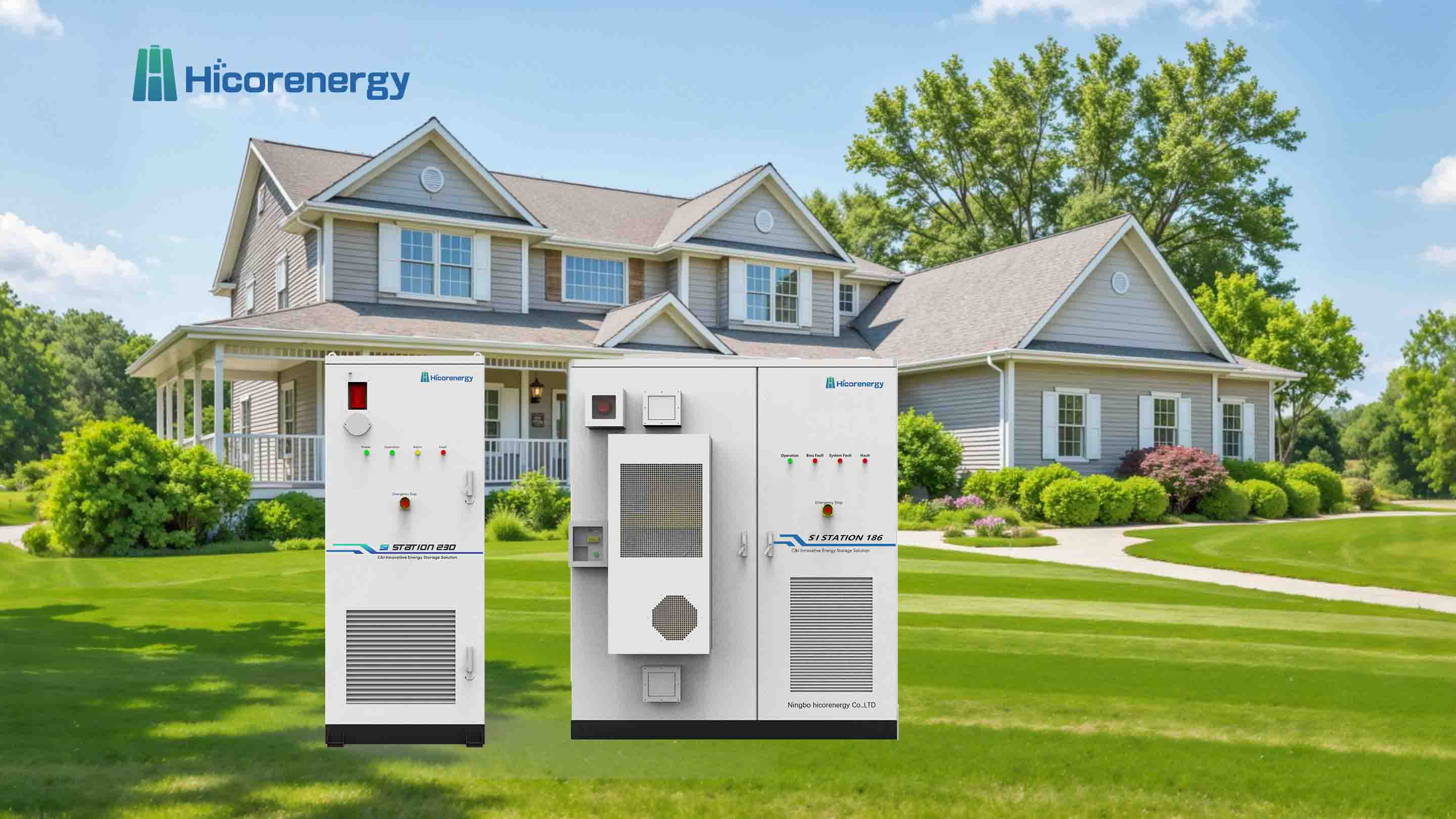
Hicorenergy’sindustrial ESS solutionslike the 186kWh and 230kWh battery cabinets are built for:
-
Demand response and peak shaving
-
Factory backup systems
-
Microgrid or hybrid energy setups
-
Containerized solar battery systems
Best for:
-
Businesses, warehouses, and factories
-
Schools, hospitals, and commercial facilities
-
Telecom and infrastructure projects
-
EPC contractors and energy developers
Key Differences at a Glance
| Feature | Wall-Mounted ESS | Cabinet ESS |
|---|---|---|
| Capacity | 5–30kWh | 100–500kWh+ |
| Application | Home, small business | Industrial, commercial |
| Installation | Indoor wall | Outdoor or dedicated room |
| Cooling | Natural air | Air or liquid cooling |
| Use Case | Daily solar + backup | Peak shaving, backup, off-grid |
| Cost | Lower upfront | Higher upfront, better ROI for scale |
Which ESS Is Right for You?
Choosing between wall-mounted and cabinet ESS depends on yourpower needs, space availability, and system goals. Here's a more actionable way to decide:
-
Choose a Wall-Mounted ESS if:
-
You are a homeowner or small business with daily usage under 30kWh
-
You need a compact, space-saving unit for indoor installation (e.g., garage, utility room)
-
Your goal is to store excess solar energy and power key appliances during outages
-
You prefer a budget-friendly system with simple wiring and app control
-
-
Choose a Cabinet ESS if:
-
You're running a business, factory, or off-grid site with larger energy demands
-
You need scalable capacity (100kWh–500kWh+) to support full loads or peak shaving
-
Your project involves a hybrid system (solar + diesel + grid) or microgrid design
-
You want long-term ROI, centralized management, and professional engineering support
-
If you're still unsure, Hicorenergy offers free consultation to match your energy usage profile, system type, and budget to the right ESS format—so you don’t overspend or underpower your system.
Let Hicorenergy Help You Decide
Whether you're looking for a sleekwall-mounted batteryfor your home or a robustcabinet ESSfor your factory, Hicorenergy delivers safe, certified, and scalable energy storage. We provide:
-
Tier-1 LiFePO4 battery cells with 6000+ cycles
-
OEM/ODM service for distributors and EPCs
-
Compatibility with top inverter brands
-
Global delivery with CE/UN38.3/MSDS certifications
Visit ourhomepageto explore the product range, orcontact usfor expert consultation and a tailored quote.