 The Evolving Landscape of Power Storage
At the heart of the modern world's energy transition is the advancement of lithium battery technology. This powerful innovation is no longer confined to smartphones and laptops; it is now the cornerstone of electric vehicles and large-scale renewable energy storage systems. However, not all lithium batteries are created equal. The market is filled with a vast array of options, and understanding the key differences between them is crucial for consumers and businesses looking to invest in a reliable power solution. By comparing and contrasting the various facets of this technology, from core chemistry to the manufacturers behind them, we can gain a clearer picture of which solutions are best suited for specific applications.
Comparing Core Technologies and Voltage Characteristics
One of the most significant points of comparison lies within the battery chemistry itself. For instance, Lithium Iron Phosphate (LFP) batteries stand in sharp contrast to other chemistries like Lithium Nickel Manganese Cobalt Oxide (NMC). While NMC batteries are prized for their high energy density, making them a common choice for electric vehicles where space and weight are critical, LFP batteries offer superior safety, a longer cycle life, and greater thermal stability. A key differentiator is the lithium battery voltage profile during discharge. LFP technology provides an exceptionally flat and stable voltage curve, meaning it delivers consistent power until it is nearly depleted. This is a stark contrast to the sloping voltage of many other chemistries, which can complicate power management. This inherent stability makes LFP an ideal choice for stationary storage systems where consistent, reliable performance over thousands of cycles is paramount.
Navigating the World of Manufacturers and Brands
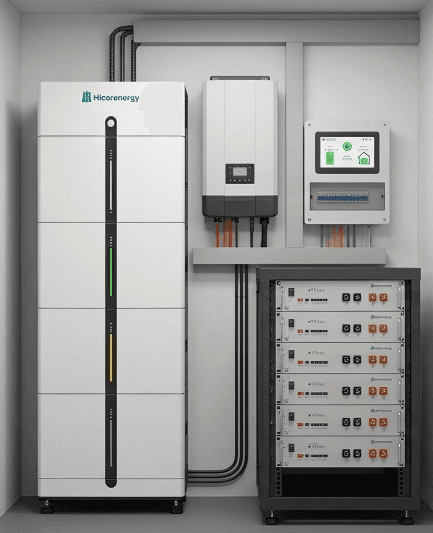
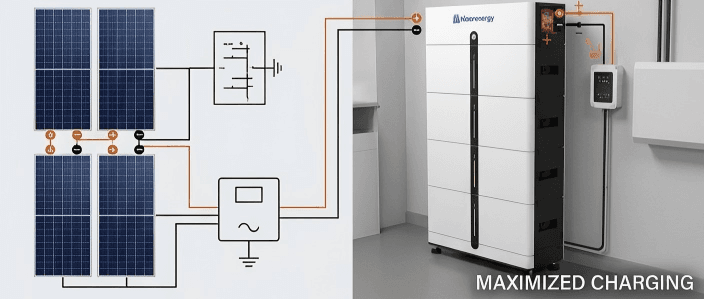
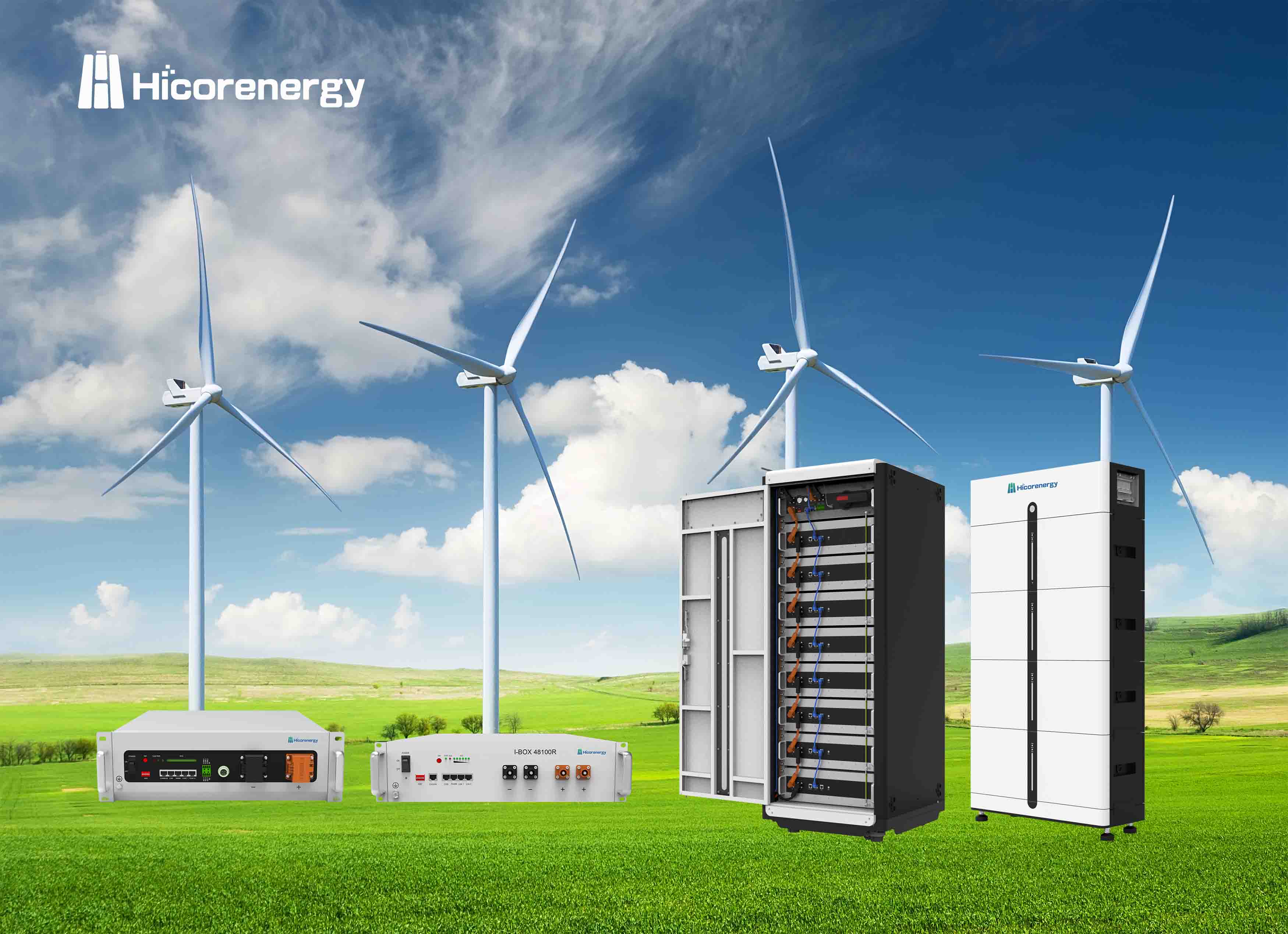
The landscape of lithium battery manufacturers is as diverse as the technology itself. On one side of the spectrum are colossal corporations that produce billions of cells for the global consumer electronics and automotive industries. On the other side are specialized lithium battery brands that focus on engineering integrated systems for specific niches, such as renewable energy storage. When evaluating options, it is essential to compare a brand that simply re-labels generic components with a dedicated innovator like Hicorenergy. Hicorenergy contrasts with mass-market producers by focusing on complete, modular battery storage systems. Their solutions are engineered for maximum efficiency, seamless integration with solar and wind power, and scalability. This approach, which prioritizes robust design and environmental harmony, sets them apart from many lithium battery manufacturers who may compete primarily on cost, offering a more sophisticated and purpose-built solution for energy independence.
Charging Forward: Market Trends and Innovations
The ecosystem supporting the battery is evolving just as rapidly. A modern smart lithium battery charger, for example, is vastly different from its predecessors. Instead of just supplying a current, these intelligent devices communicate with the battery management system to optimize charging rates, which enhances safety and significantly extends the battery's lifespan. This innovation is a reflection of broader lithium battery market trends. The industry is moving decisively away from monolithic, inflexible power solutions and toward modularity, intelligence, and sustainability. Unlike the power systems of the past, today’s solutions are designed to be adaptable and scalable to meet changing energy needs. Key lithium battery market trends also include a growing emphasis on the entire product lifecycle, from responsibly sourced materials to efficient end-of-life recycling, creating a more sustainable and circular energy economy.
Making the Right Choice for Your Energy Future
Ultimately, selecting the right energy storage solution requires navigating a field of important contrasts. From the stable lithium battery voltage of LFP chemistry to the diverse philosophies of various lithium battery brands, the ideal choice depends heavily on the intended application. By understanding the nuances of the underlying lithium battery technology and the direction of market trends, you can make a more informed decision. Innovators like Hicorenergy represent the future, offering integrated systems that provide not just power, but a resilient, efficient, and sustainable energy framework. Investing in a well-engineered system is an investment in a smarter and more secure energy future.