Stacked battery technology is revolutionizing the way
we store and manage energy in modern applications, offering enhanced efficiency and scalability for both residential and commercial use. This innovative approach involves layering battery cells to maximize space and performance, making it ideal for integration with renewable energy sources like solar panels. As companies like Hicorenergy push the boundaries of this technology, we're seeing significant advancements in energy storage solutions that prioritize sustainability and reliability.
Understanding Stacked Battery Design
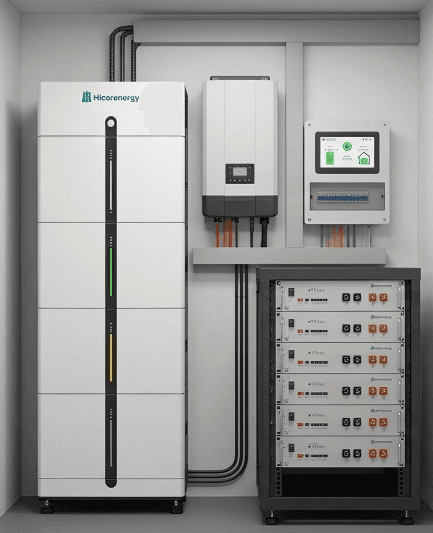
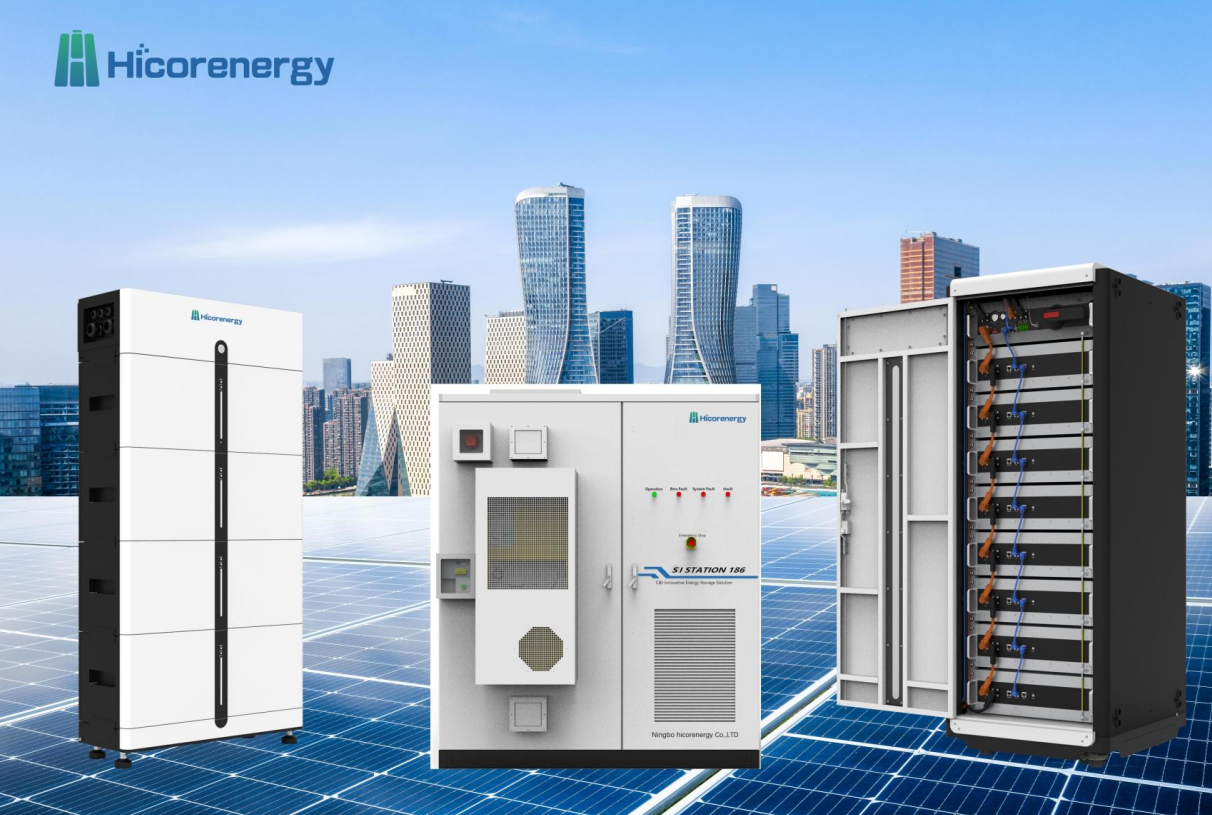
Stacked battery design refers to the architectural arrangement of battery cells in a vertical or layered format, which allows for higher energy density and modular expansion. This design optimizes the use of space, enabling users to stack multiple units to meet varying power needs without compromising on footprint. For instance, in Hicorenergy's Home Energy Storage System, the stacked configuration ensures that each module is engineered for seamless integration, providing a clean and efficient setup. This method not only improves thermal management and reduces resistance between cells but also enhances overall system longevity. By focusing on precise alignment and material selection, stacked battery design minimizes energy loss, making it a cornerstone of efficient energy systems.
Exploring Stacked Lithium-Ion Battery Technology
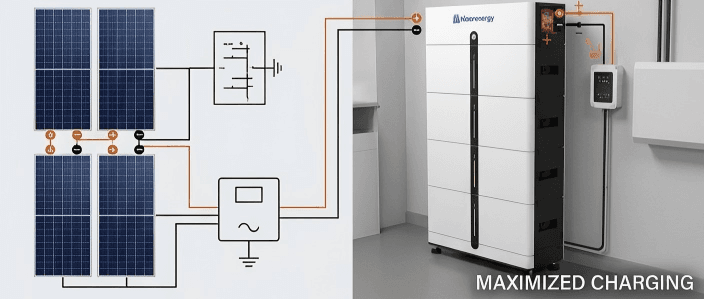
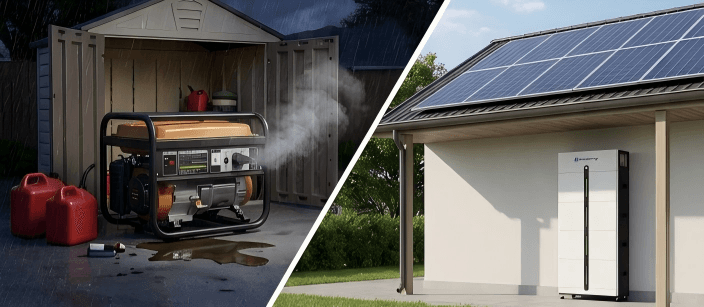
Stacked lithium-ion batteries represent a subset of stacked battery technology that leverages the high energy density of lithium-ion cells arranged in a stacked formation. This configuration allows for faster charging cycles and greater power output compared to traditional battery layouts. In practical terms, Hicorenergy's system utilizes stacked lithium-ion batteries to deliver uninterrupted power during fluctuations in solar energy availability, ensuring homes remain powered even in adverse weather. The technology involves advanced electrode stacking techniques that prevent overheating and extend cycle life, which is crucial for daily energy demands. With stacked lithium-ion batteries, users benefit from reduced maintenance and a more compact form factor, making them suitable for urban and rural installations alike.
The Lifecycle of Stacked Battery Systems
Stacked battery lifecycle encompasses the entire span from manufacturing to end-of-use, emphasizing durability and performance over time. These systems are designed to withstand thousands of charge-discharge cycles with minimal degradation, thanks to reinforced cell structures that distribute stress evenly. For Hicorenergy's products, the lifecycle is optimized through intelligent monitoring software that predicts and mitigates wear, extending the operational life to over a decade. This involves regular diagnostics to maintain optimal voltage and capacity, ensuring the battery remains efficient throughout its use. A longer lifecycle not only reduces replacement costs but also supports environmental goals by delaying the need for new resources, making stacked battery technology a sustainable choice for energy storage.
Advancements in Stacked Battery Recycling
Stacked battery recycling is an essential aspect of the technology's environmental impact, focusing on recovering valuable materials like lithium and cobalt from used batteries. This process involves dismantling the stacked modules and separating components for reuse or safe disposal, which Hicorenergy supports through partnerships with certified recycling programs. By designing batteries with recyclability in mind, such as using easily separable materials, the technology minimizes waste and promotes a circular economy. Innovations in recycling methods, like hydrometallurgical processes, allow for up to 95% material recovery, reducing the carbon footprint associated with battery production. As stacked battery recycling becomes more streamlined, it reinforces the technology's role in sustainable energy solutions, encouraging consumers to adopt green practices without compromising performance.
How to install stacked batteries
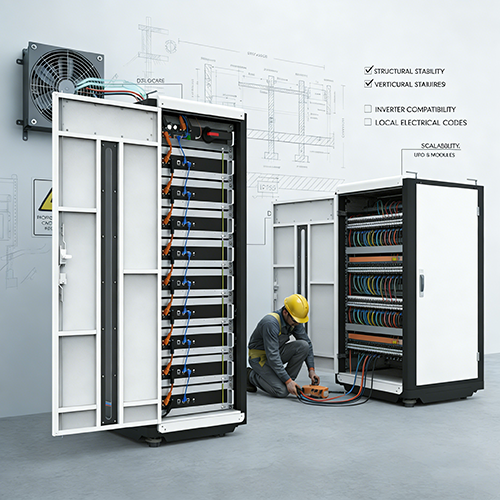
Installing a stacked battery system is straightforward and installer-friendly. The process typically starts with placing the base module on a stable, level surface. Additional battery modules are then stacked vertically using guided alignment structures and secured connectors. Plug-and-play cabling minimizes wiring complexity, while integrated battery management systems automatically recognize new modules. After connecting the inverter and commissioning the system through monitoring software, the stacked battery is ready for operation, significantly reducing installation time and labor costs.
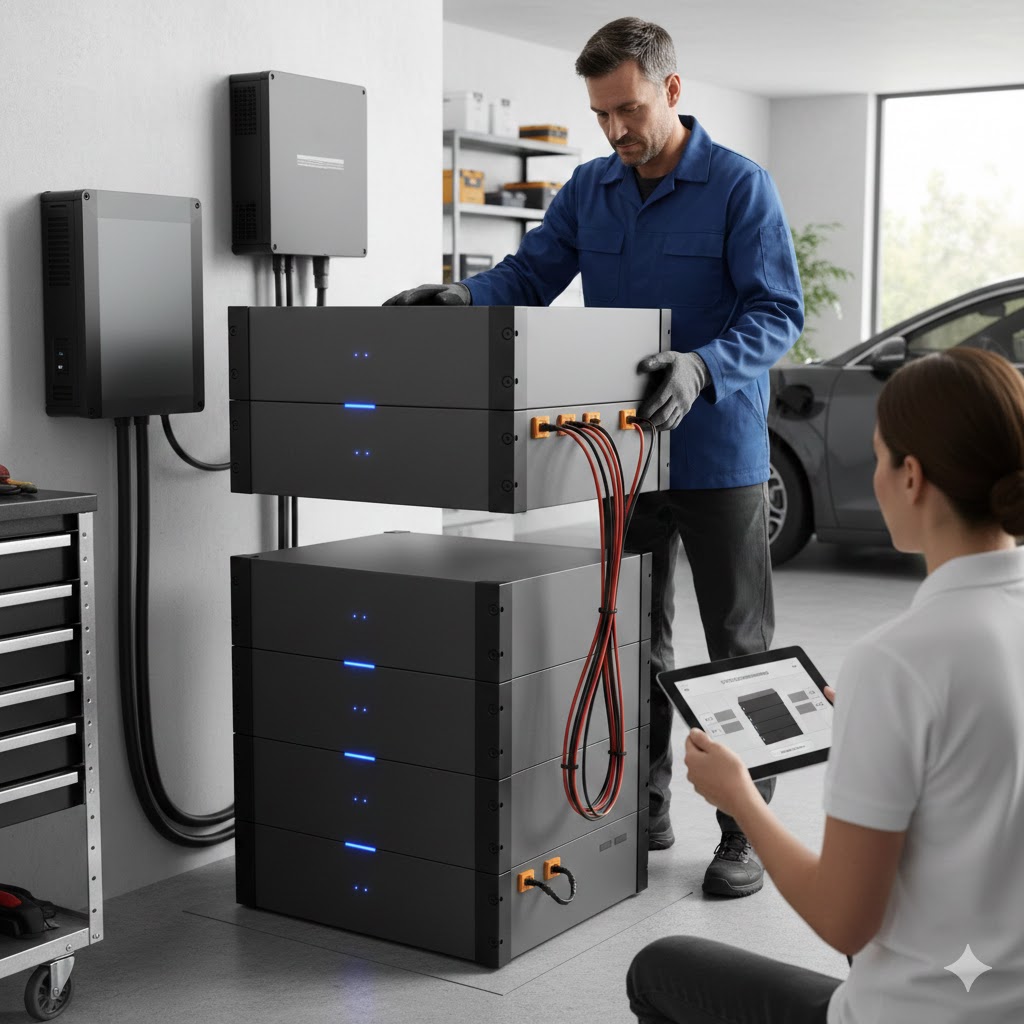
Key Installation Considerations for Stacked Battery Technology Systems
When deploying Stacked Battery Technology, proper installation planning is essential to ensure safety, scalability, and long-term reliability. The site should provide adequate ventilation, structural stability, and sufficient clearance for vertical stacking. Systems such as Hicorenergy’s modular solutions are designed with plug-and-play connectors, integrated DC breakers, and intelligent BMS protection, significantly simplifying commissioning. Installers should verify inverter compatibility, configure communication protocols correctly, and confirm that each module is securely connected to enable seamless parallel expansion. For outdoor applications, selecting IP-rated enclosures ensures protection against dust and moisture. Proper grounding and compliance with local electrical codes further guarantee safe and efficient operation.
Important Tips for Maximizing Performance and Lifespan
To fully leverage the advantages of Stacked Battery Technology, regular monitoring and optimized operating conditions are recommended. Utilizing smart monitoring platforms enables real-time performance tracking, remote upgrades, and early fault detection. Maintaining batteries within the optimal temperature range—especially in extreme climates—helps preserve cycle life and efficiency. It is advisable to follow recommended charge and discharge currents to avoid unnecessary stress on battery cells. Periodic inspection of cable connections and firmware updates also contributes to system stability. Selecting high-quality LiFePO4 cells with over 6,000 cycles and ≥95% round-trip efficiency ensures consistent performance and long-term cost savings.
In conclusion, stacked battery technology, along with its related advancements, is paving the way for a more efficient and eco-friendly energy landscape. Companies like Hicorenergy are at the forefront, offering products that embody these principles and provide real-world benefits. By embracing this technology, users can achieve greater energy independence and contribute to a greener future.
Join Hicorenergy in embracing solar battery storage and step confidently into a cleaner, greener tomorrow.
Contact us via Email: info@hicorpower.com or WhatsApp: +86 181-0666-3226.