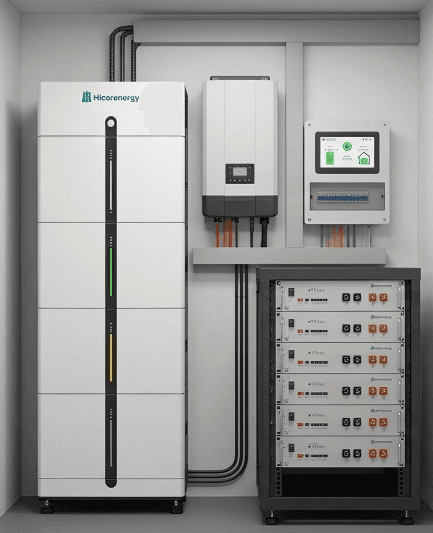
Stacked battery technology has emerged as a transformative breakthrough in energy storage, reshaping how we capture, store, and manage power for a sustainable future. By arranging battery cells in a compact, layered structure, this innovative approach significantly enhances energy density and performance—making it an ideal solution for modern home energy systems. Companies like Hicorenergy, for example, utilize stacked battery technology in their Home Power Storage System, delivering space-saving, scalable energy storage that meets the needs of eco-conscious households. Through intelligent cell stacking, this technology reduces waste, boosts power output, and meets rising global demand for efficient and reliable renewable energy storage.
What is a Stackable Battery and How Does Stacked Battery Technology Revolutionize Energy?
A stacked battery refers to a modular energy storage system where multiple battery units are vertically or horizontally combined to increase total capacity. This design allows users to scale energy storage according to demand without replacing the entire system. Stacked Battery Technology is particularly valuable for Solar & Battery Installation Businesses, as it simplifies installation, reduces space requirements, and enables flexible upgrades. By adopting a plug-and-play structure, stacked batteries improve efficiency and shorten deployment time, making them ideal for residential and commercial energy storage applications in rapidly evolving energy markets.
What is the Most Promising Future Battery Technology?
Stacked Battery Technology is widely considered one of the most promising advancements in energy storage due to its scalability, safety, and adaptability. Compared to traditional fixed-capacity systems, stacked batteries allow incremental expansion, aligning with growing energy needs. Combined with lithium iron phosphate (LiFePO4) chemistry, this technology delivers longer cycle life, higher safety standards, and improved thermal stability. For Solar & Battery Installation Businesses, this means offering future-proof solutions that meet diverse customer requirements. As energy systems become smarter and more decentralized, stacked battery solutions are expected to play a central role in enabling efficient, resilient, and cost-effective energy management.
Stacked Battery Design: Efficiency and Innovation
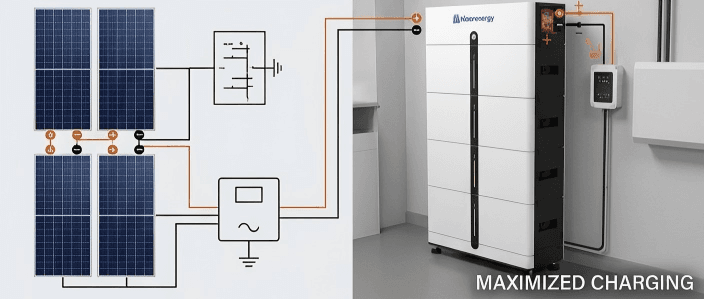
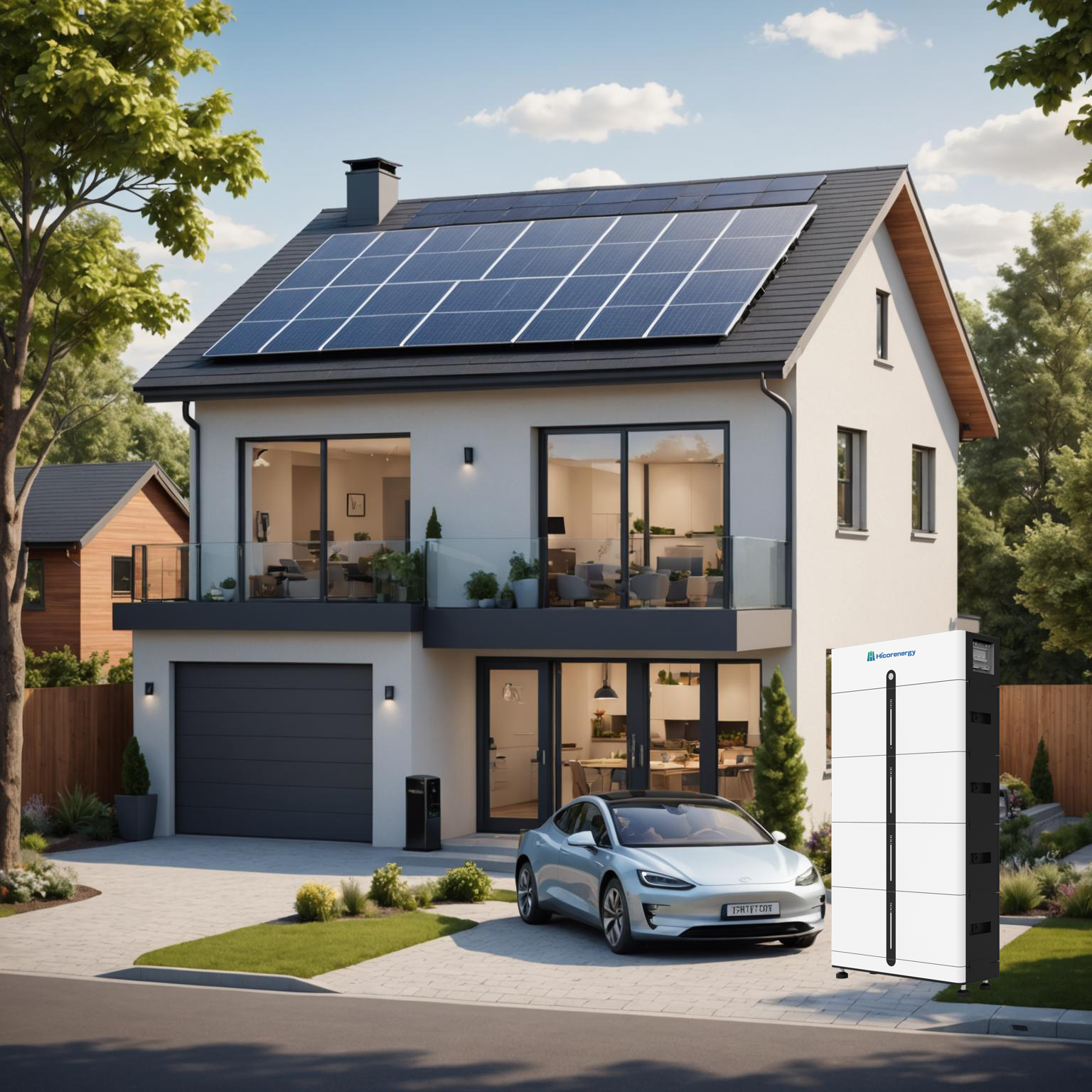
At the core of this advancement lies stacked battery design—a method of vertically or horizontally layering individual cells to optimize efficiency, thermal regulation, and longevity. This configuration reduces internal resistance and improves heat dissipation, which are essential for maintaining battery health over time. In stacked lithium-ion battery systems, modular designs enable flexible scaling, as seen in Hicorenergy’s compact and stylish home units. Not only does this design save valuable space, but it also integrates advanced safety features such as sophisticated cooling systems and reinforced enclosures. Particularly suited for residential use, where space constraints and reliability are key, stacked battery design enables higher energy storage capacity without increasing physical footprint. It also supports seamless integration with solar power systems, storing excess energy efficiently for later consumption.
Advantages of Stacked Lithium-Ion Batteries
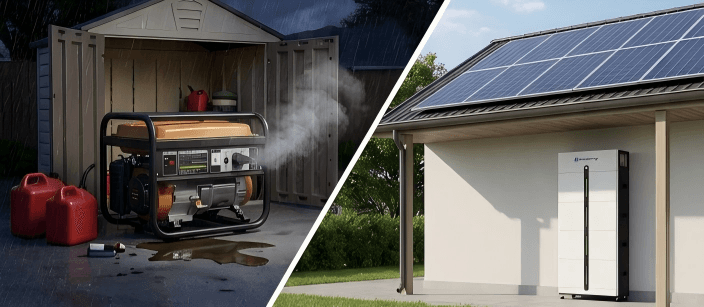
Stacked lithium-ion batteries deliver a host of benefits over conventional battery layouts, including extended operational life, higher discharge rates, and superior energy consistency. These traits make them especially valuable for home energy storage, where reliability is critical. Hicorenergy’s systems, for instance, employ stacked lithium-ion battery technology to store surplus solar energy, ensuring an uninterrupted power supply even when generation is low. Key advantages include:
-
Extended Cycle Life: Stress is evenly distributed across stacked layers, allowing more charge-ddischarge cycles with minimal degradation.
-
Enhanced Safety: Integrated protection mechanisms guard against overcharging and overheating.
-
Cost Efficiency: Long service life reduces replacement frequency, supporting both economic and environmental sustainability.
-
Improved Energy Transfer: Stacked layouts minimize voltage drop and maximize efficiency—key for renewable energy applications.
Stacked Battery Lifecycle: Durability and Intelligence
Understanding the stacked battery lifecycle—from production to end-of-life—is essential for maximizing durability and minimizing ecological impact. Modern systems, such as those from Hicorenergy, incorporate intelligent software that continuously monitors stacked battery lifecycle metrics, including cycle count, temperature, and discharge patterns. This data-driven approach enables predictive maintenance, performance optimization, and failure prevention. Factors like depth of discharge and charging speed can be finely calibrated in stacked architectures to slow degradation. By extending battery life through smart stacked battery lifecycle management, manufacturers not only improve user experience but also help reduce e-waste. Furthermore, responsible end-of-life strategies support material recovery and reuse, aligning with worldwide sustainability initiatives.
Stacked Battery Recycling: Closing the Loop Sustainably
Stacked battery recycling plays a vital role in the eco-friendly adoption of advanced energy storage. By systematically recovering valuable materials—such as lithium, cobalt, and nickel—from used stacked batteries, recycling helps reduce environmental impact and fosters a circular economy. Modern stacked lithium-ion battery recycling employs processes like shredding, sorting, and hydrometallurgical extraction to safely handle and repurpose components. Brands like Hicorenergy are increasingly aligning with such green initiatives, ensuring that their products support sustainable practices from creation to retirement. As stacked battery recycling becomes more streamlined and widely adopted, it not lessens reliance on raw material mining but also bolsters the viability of clean energy technologies worldwide. Investment in recycling infrastructure continues to grow—making stacked battery recycling a cornerstone of future energy systems.
Join Hicorenergy in embracing solar battery storage and step confidently into a cleaner, greener tomorrow.
Contact us via Email: info@hicorpower.com or WhatsApp: +86 181-0666-3226.