 Stacked battery technology has emerged as a revolutionary breakthrough in the energy storage industry, reshaping how we store and use power in a world rapidly shifting toward sustainability. As a leading innovator in this space, Hicorenergy is at the forefront of developing high-efficiency, space-saving stacked battery systems that are setting new standards for renewable energy integration. In this comprehensive guide, we’ll explore what stacked battery technology is, how it works, its key benefits, and real-world applications—with a focus on Hicorenergy’s flagship products like the SI Station 186 and SI Station 230. Whether you're looking for reliable solar energy storage or scalable commercial power solutions, understanding stacked batteries can help you make smarter, greener energy choices.
What is Stacked Battery Technology?
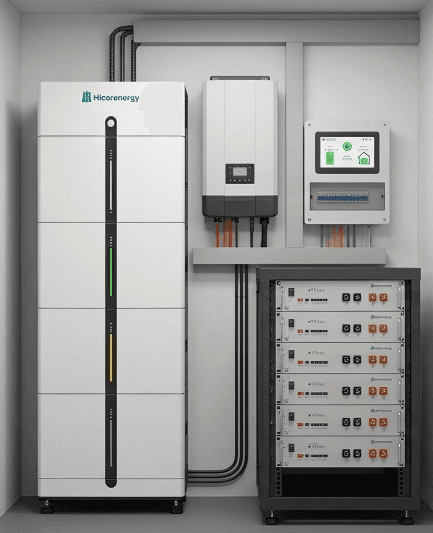
Stacked battery technology is an advanced method of battery design where individual cells are layered—either vertically or horizontally—to maximize energy density and optimize physical space. Unlike traditional battery layouts, stacking allows for a more compact, modular, and thermally efficient structure.
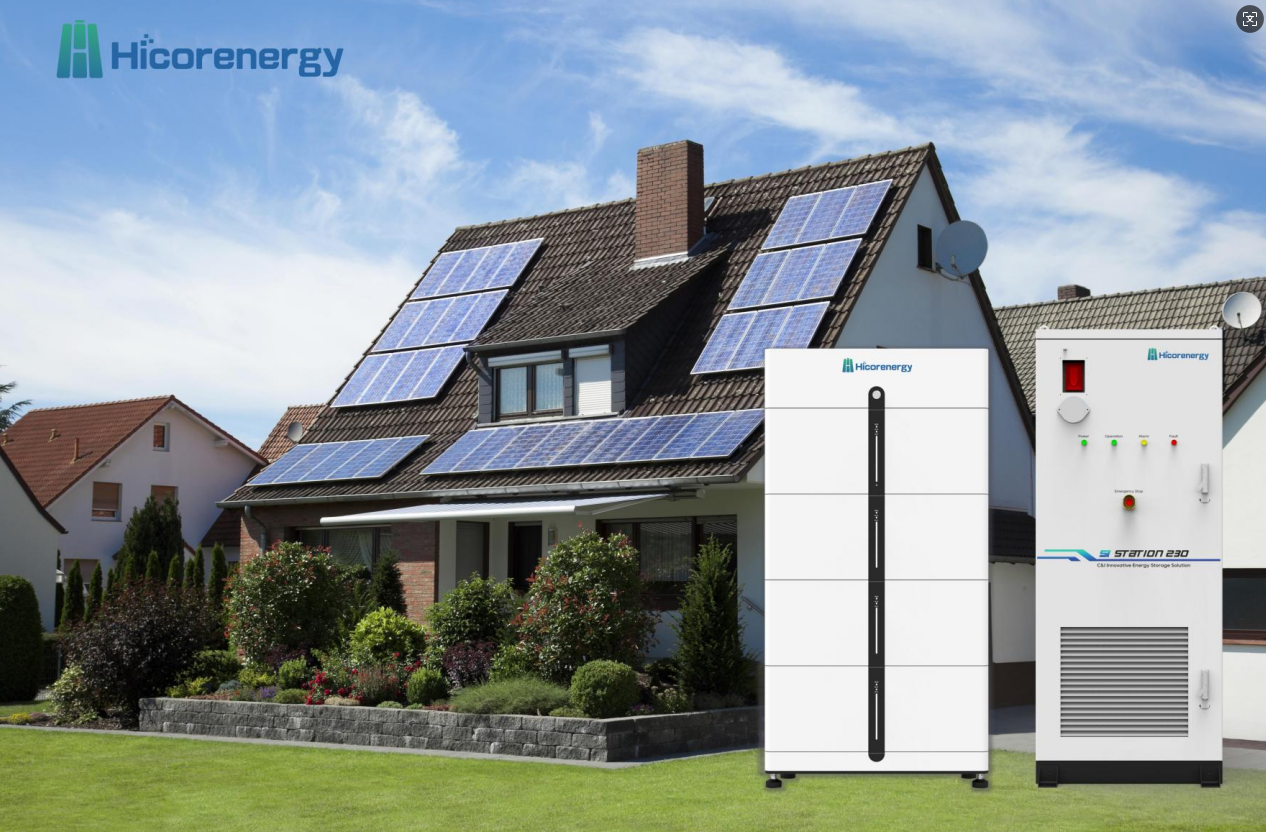
Hicorenergy has perfected this approach in products such as the SI LV1, which is engineered for large-scale energy projects, and the SI Station 230, ideal for residential and commercial use. By stacking lithium-ion cells, Hicorenergy achieves:
-
Higher energy capacity in a smaller footprint
-
Improved heat management and safety
-
Scalable systems that grow with your energy needs
-
Enhanced cycle life and faster charging
This smart design not only supports efficient renewable energy storage but also reduces waste and installation complexity—making clean energy more accessible for everyone.
Key Benefits of Stacked Batteries
Why choose stacked batteries? The advantages go beyond saving space. Here’s how stacked battery technology delivers value:
-
Higher Energy Density: More power in less space—ideal for homes and businesses with limited installation area.
-
Improved Safety & Thermal Control: Stacked designs promote better heat dissipation, reducing risks of overheating and extending battery life.
-
Scalability: Start with a small system and expand over time. Hicorenergy’s modular stacked batteries make it easy.
-
Faster Charging & Longer Lifespan: Optimized cell configuration supports rapid charging and more charge cycles over time.
-
Cost Efficiency: Reduced materials and space requirements lead to lower long-term costs.
Hicorenergy integrates these benefits into every product, ensuring that systems like the SI LV1 offer intelligent energy management and reliable performance—day in and day out.
Applications of Stacked Battery Technology
Stacked batteries are versatile and can be used across multiple sectors. Here are some of the most common applications:
Residential Energy Storage
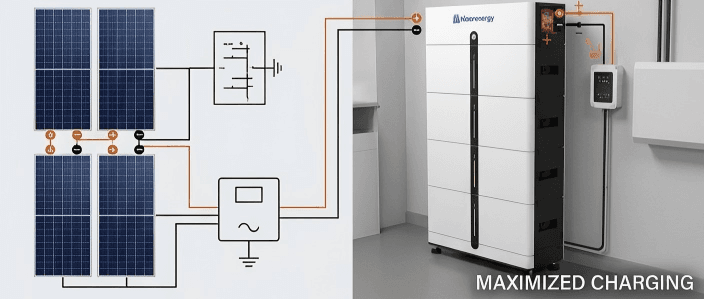
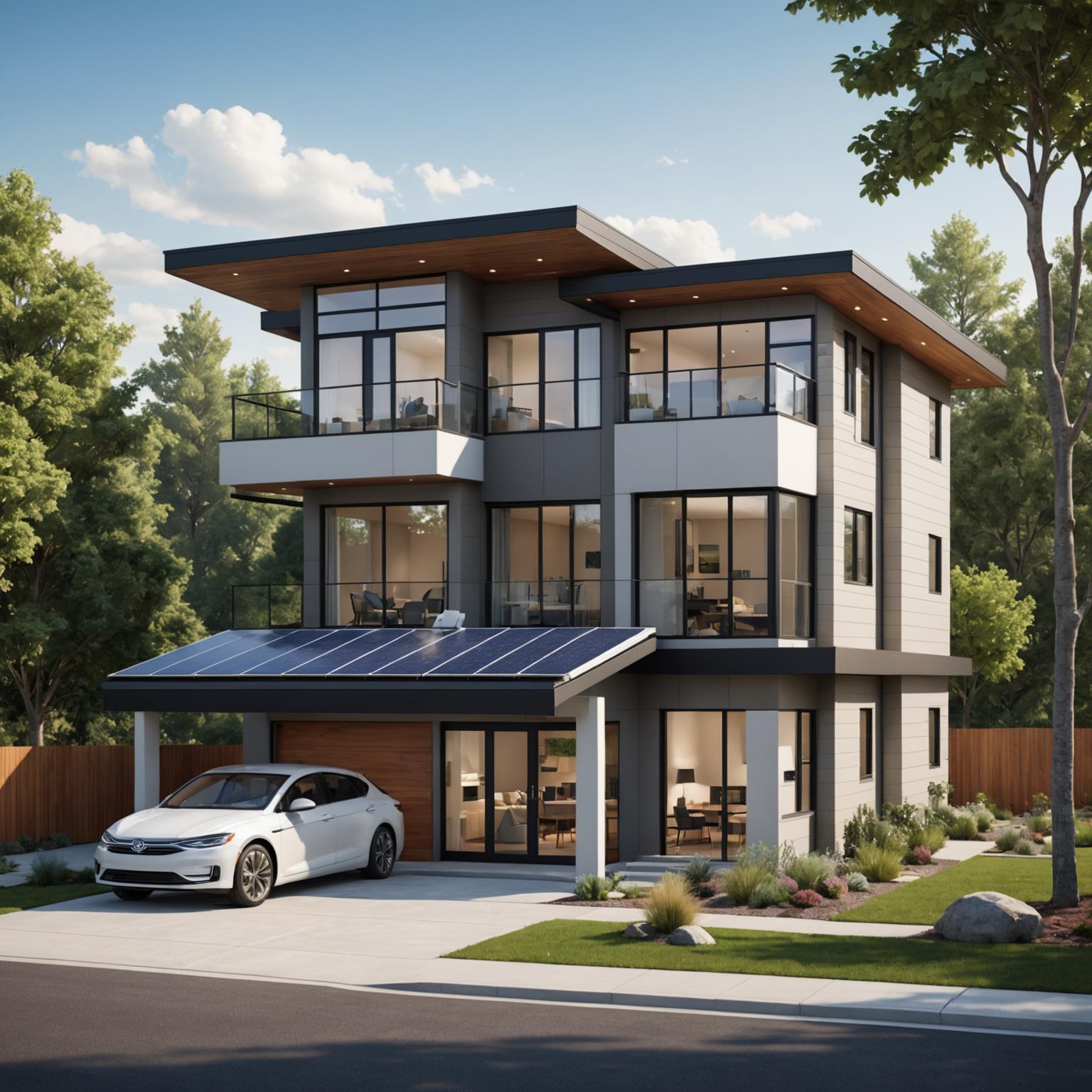
More homeowners are turning to solar + storage solutions. Stacked battery systems from Hicorenergy allow families to store excess solar energy during the day and use it at night—reducing grid dependence and electricity bills.
Commercial & Industrial Use
Businesses benefit from scalable stacked battery solutions like the SI Station 230, which supports high-capacity energy demands, peak shaving, and backup power during outages.
Grid & Renewable Integration
Stacked battery technology helps stabilize power grids by storing energy from intermittent sources like wind and solar. This improves grid reliability and supports the transition to 100% renewable energy.
Electric Vehicles & Mobile Applications
With their compact and lightweight properties, stacked lithium-ion batteries are also ideal for electric vehicles and portable power stations—enabling longer ranges and better performance.
The Rise of Stacked Lithium-Ion Batteries
When it comes to stacked battery designs, stacked lithium-ion batteries are leading the market. Known for their high energy density, durability, and efficiency, these batteries are the top choice for modern energy storage systems.
Hicorenergy specializes in advanced stacked lithium-ion technology, integrating it into safe, high-performance systems tailored for both residential and commercial use. Key features include:
-
Optimized ion flow for faster charging and discharging
-
Long service life with minimal maintenance
-
Eco-friendly design supporting a cleaner planet
As the demand for efficient energy storage grows, stacked lithium-ion batteries are becoming a cornerstone of the global shift to renewables—and Hicorenergy is proud to drive that change.
Why Choose Hicorenergy Stacked Battery Solutions?
Hicorenergy doesn’t just sell batteries—we deliver end-to-end energy solutions. Our stacked battery systems are:
-
Modular and scalable
-
Smart and grid-responsive
-
Eco-conscious and high-efficiency
-
Safe and long-lasting
From the powerful SI LV1 for commercial use to the adaptable SI Station 230 for home energy storage, Hicorenergy provides cutting-edge technology that puts you in control of your energy future.
Conclusion
Stacked battery technology is more than an innovation—it’s the future of energy storage. With superior design, proven benefits, and wide-ranging applications, it’s clear why companies like Hicorenergy are investing heavily in this space. Whether you're upgrading your home energy system or deploying storage at scale, stacked batteries—especially stacked lithium-ion models—deliver the performance, safety, and sustainability you need.
Ready to make the switch? Explore Hicorenergy’s stacked battery solutions today and join the movement toward a smarter, greener energy world.
Join Hicorenergy in embracing solar battery storage and step confidently into a cleaner, greener tomorrow.
Contact us via Email: info@hicorpower.com or WhatsApp: +86 181-0666-3226.