 In the rapidly evolving renewable energy sector, stacked battery technology has emerged as a critical innovation, reshaping how we capture, store, and manage power from solar, wind, and other clean sources. Developed by industry-leading sustainable solution providers, this technology meets the rising global demand for efficient and reliable energy storage in an increasingly eco-conscious world.
Understanding Stacked Battery Design
Stacked battery design revolves around the method of layering individual battery cells to form a more compact, efficient, and powerful energy storage unit. This configuration significantly boosts energy density—allowing more power to be stored in less space—while maintaining high safety and performance standards.
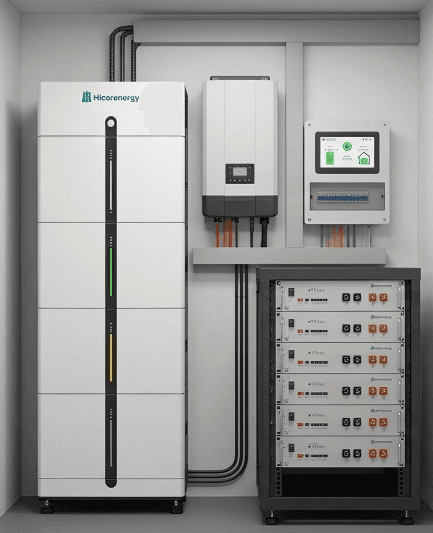
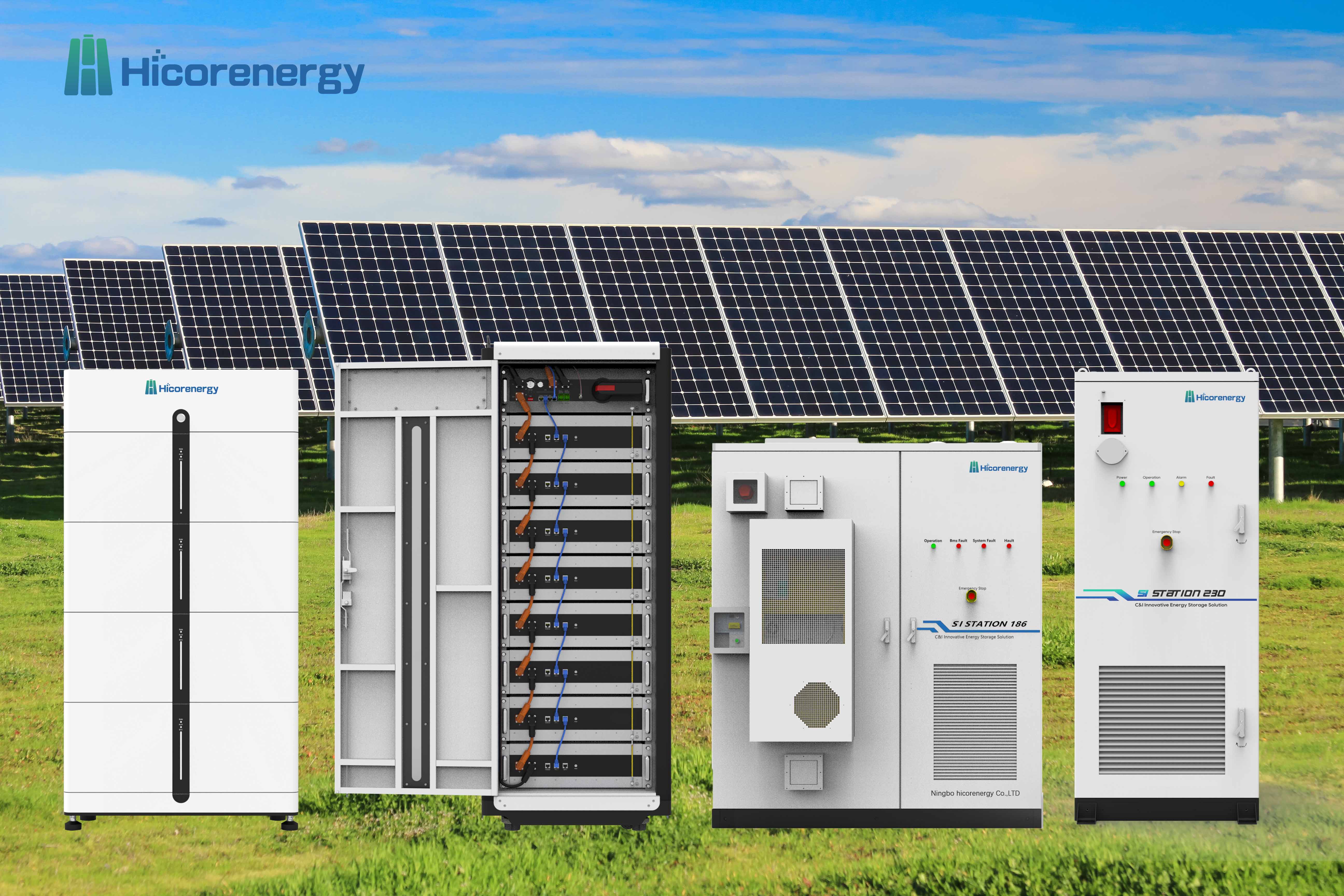
Imagine energy storage systems that are no longer bulky and obstructive, but streamlined and seamlessly integrated into everyday environments. A prime example is Hicorenergy’s SI Station 186, which utilizes a modular stacked battery design to fit diverse installation requirements. This scalable approach not only enhances adaptability but also improves system longevity, making it suitable for a wide range of residential and commercial applications. With stacked battery design, users gain a future-proof solution that grows with their energy needs—delivering space efficiency without sacrificing performance.
Key Benefits of Stacked Batteries
Stacked batteries deliver a host of operational and economic advantages that go beyond basic energy storage. A standout feature is their superior thermal management, which minimizes overheating risks and extends battery life.
Think of stacked batteries as the silent backbone of modern energy systems—consistently delivering power during peak demand or unexpected outages. Core benefits of stacked batteries include higher discharge rates, long-term cost savings due to efficient material use, and enhanced overall reliability.
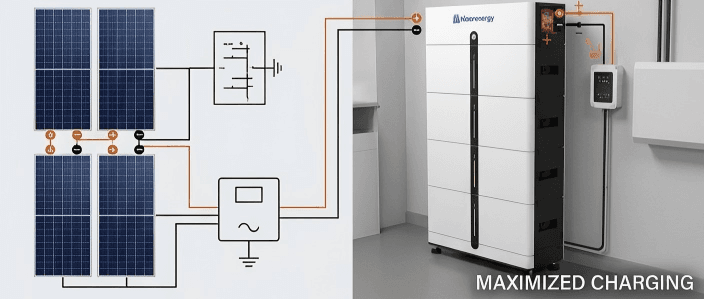
Hicorenergy’s SI Station 230, for instance, leverages these benefits to perform reliably even in demanding conditions. The stacked design enables better voltage stability, lower internal resistance, and faster charging—resulting in consistent power delivery and improved energy efficiency. By maximizing renewable energy usage and reducing waste, stacked batteries not only elevate system performance but also support global sustainability goals.
Real-World Stacked Battery Applications
The application of stacked battery technology spans multiple fields—from remote solar and wind farms to urban microgrids and residential energy storage. These systems enable smooth integration of renewables, storing surplus energy generated during the day for use at night or during low-production periods.
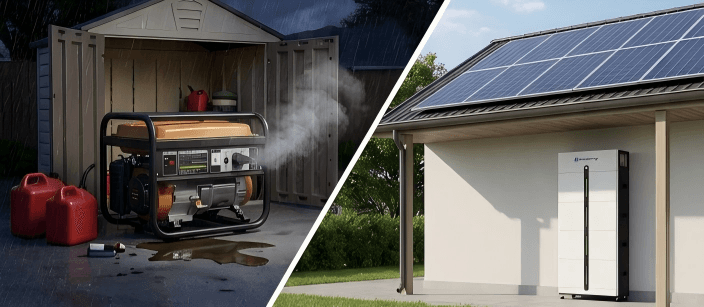
Consider a wind-powered community or an off-grid industrial site: stacked battery applications make it possible to stabilize intermittent energy supply, ensuring uninterrupted electricity. They are especially vital in areas with limited grid access, providing a dependable power source where traditional infrastructure is unavailable.
Hicorenergy’s stacked battery storage systems are engineered for seamless solar and wind integration, offering scalable solutions tailored to various needs—from single households to large commercial facilities. This flexibility not only promotes energy independence but also helps businesses and homeowners lower their carbon footprint while maintaining continuous, reliable operation.
Advances in Stacked Lithium-Ion Batteries
Stacked lithium-ion batteries represent the next step in energy storage—combining the high performance of lithium-ion chemistry with the structural and efficiency gains of stacking. These batteries are lightweight, long-lasting, and capable of withstanding thousands of charge cycles with minimal degradation.
Stacked lithium-ion batteries offer exceptional energy retention and rapid response times, outperforming conventional battery models. Integrated into Hicorenergy’s advanced energy systems, they enable high-capacity storage that optimizes the use of solar and wind power. For example, during peak generation hours, these batteries store excess energy and discharge it when demand is high—effectively balancing the grid and enhancing energy reliability.
The ongoing innovation in stacked lithium-ion batteries is paving the way for broader adoption in electric vehicles, large-scale grid storage, and residential applications. As the technology continues to mature, stacked lithium-ion batteries are set to make sustainable energy more practical, affordable, and accessible—powering a cleaner future for all.
Join Hicorenergy in embracing solar battery storage and step confidently into a cleaner, greener tomorrow.
Contact us via Email: info@hicorpower.com or WhatsApp: +86 181-0666-3226.