Embracing a life of energy independence is an increasingly attractive and achievable goal for homeowners, farmers, and businesses. At the heart of this shift are reliable off-grid power solutions—systems that operate completely independently from the public utility grid. Not only do they free users from monthly electricity bills and frequent power outages, but they also open the door to a more sustainable and eco-friendly lifestyle. With rapid technological advancements, adopting an off-grid system has never been more efficient or accessible, delivering clean energy for a diverse range of needs.
Solar Power Off-Grid: The Core of Modern Energy Independence
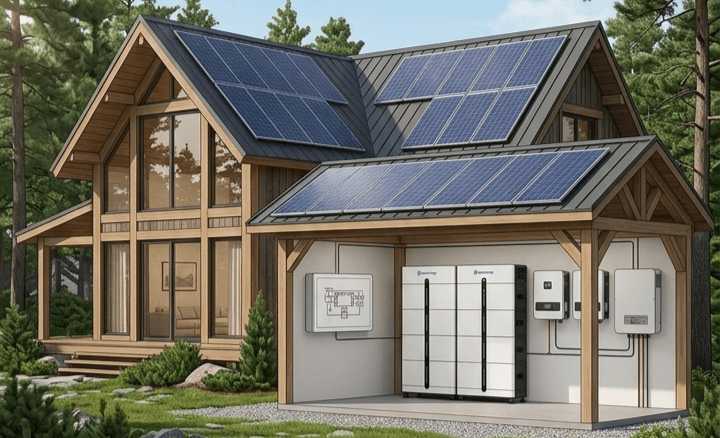
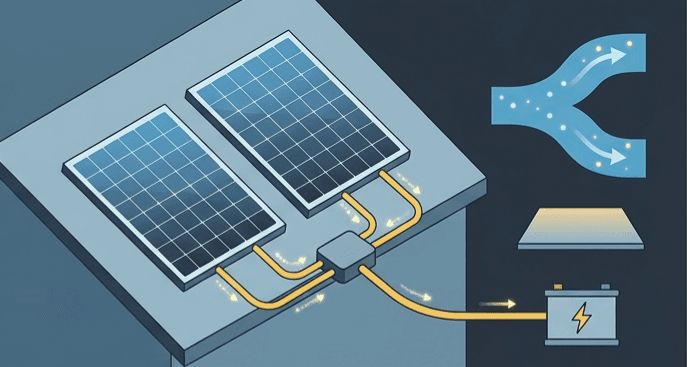
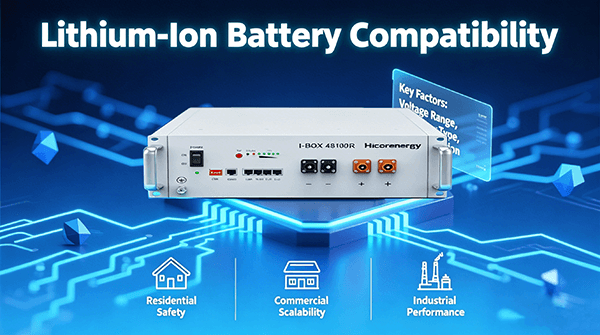
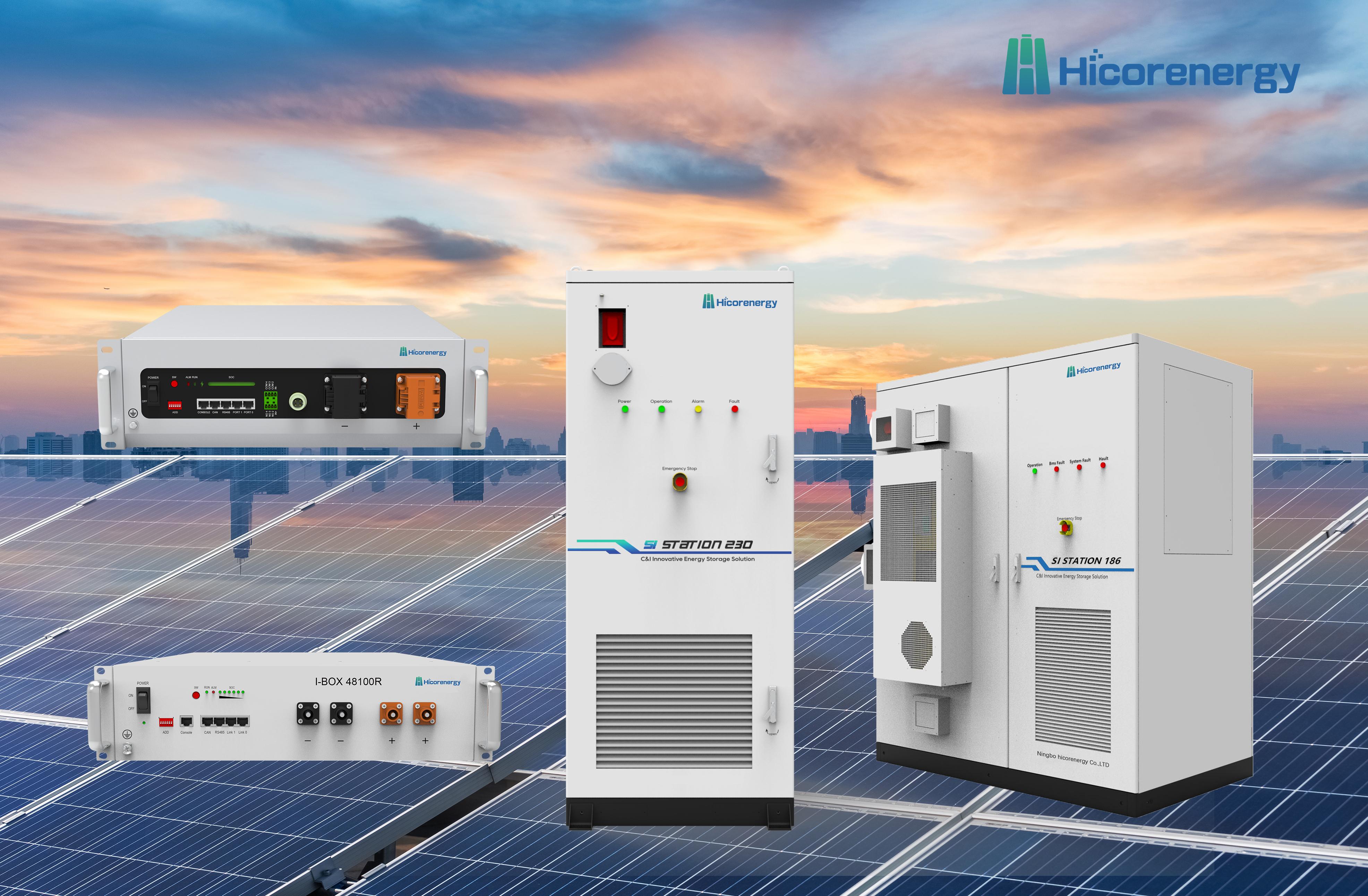
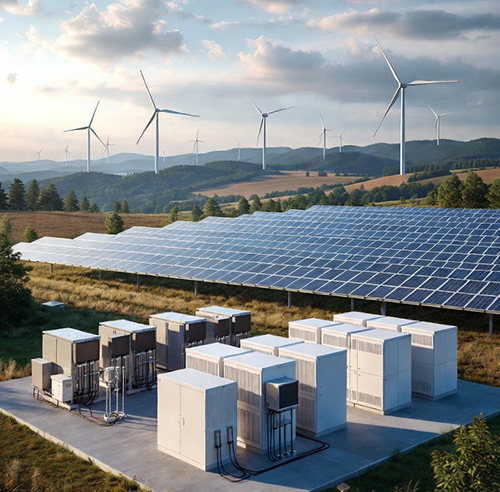
A solar power off-grid system serves as the foundation of today’s independent energy solutions. It captures sunlight via photovoltaic (PV) panels and converts it into electricity. But what truly makes it effective is a fully integrated setup. Advanced solutions—such as those from Hicorenergy—combine three essential elements: high-efficiency solar panels for optimal energy generation, a smart inverter that converts DC power to usable AC power, and modular battery units for reliable energy storage. This storage is key—it guarantees consistent power through the night and during cloudy weather, making your off-grid solar system both dependable and uninterrupted.
Key Advantages of Adopting Off-Grid Power Systems
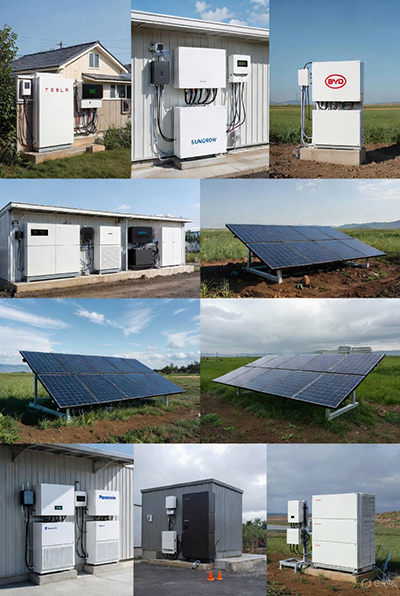
Off-grid energy solutions provide reliable autonomy for households, farms, and remote facilities seeking stable and sustainable electricity. By integrating solar generation with advanced battery storage, users reduce dependence on unpredictable grids and rising utility costs. Leading global suppliers contributing to off-grid system development include Tesla, BYD, Sungrow, LG Energy Solution, and Panasonic. Their innovations in lithium-ion technologies enhance efficiency, safety, and long-term performance, enabling Off-Grid Power Solutions to become more accessible for diverse environments and climate conditions.
Eco-Friendly Power Solutions: Clean Energy for a Sustainable Future
Opting for an off-grid lifestyle is a powerful way to reduce your carbon footprint. These systems run primarily on renewable resources like solar—making them a truly eco-friendly power solution. Unlike conventional fossil fuel-based energy, off-grid renewable systems produce zero emissions, helping protect the environment while boosting property value. Hicorenergy designs its products with sustainability and longevity in mind, using durable, weather-resistant materials that stand the test of time. By choosing clean energy technology, you contribute to the global green movement while building a resilient, self-sufficient future.
How Off-Grid and On-Grid Power Systems Differ
Off-grid systems operate independently, storing renewable energy for continuous use without grid support—ideal for areas with unstable supply or high outage frequency. On-grid systems, however, remain connected to the utility network, enabling energy export and net metering but still relying on external infrastructure. Off-grid units prioritize energy independence and resilience, while on-grid installations focus on cost optimization and efficiency. Understanding these differences helps users select solutions aligned with local conditions, sustainability goals, and long-term energy security, reinforcing the value of Off-Grid Power Solutions for Eco-Friendly Independence.
Off-Grid Power in Action: From Water Pumps to Remote Sites
The flexibility of off-grid systems makes them ideal for a variety of real-world uses. A standout application is powering wells off-grid—essential for farms, rural properties, and agricultural operations that rely on steady water access for irrigation and livestock. A solar-powered well pump delivers this vital resource reliably, without grid dependency. Beyond water systems, off-grid solutions efficiently support remote cabins, RVs, workshops, and communication towers. They deliver the electricity needed for lighting, appliances, tools, and critical equipment—anywhere, no matter how isolated the location.
Customizing Your Off-Grid System for Maximum Efficiency
Designing the perfect off-grid system starts with understanding your unique energy requirements. Thanks to modern modular designs, it’s easier than ever to build a system that fits your needs and grows with you. Hicorenergy, for example, offers scalable battery units that let you start with a base capacity and expand as demand increases. Combined with smart inverters that provide real-time energy monitoring, you gain full control over power usage and production. This tailored approach ensures high efficiency and reliability—bringing you closer than ever to true energy freedom.
Join Hicorenergy in embracing solar battery storage and step confidently into a cleaner, greener tomorrow.
Contact us via Email: info@hicorpower.com or WhatsApp: +86 181-0666-3226.